Netflix’s Return of the King: The Fall & Rise of Elvis Presley offers a detailed, behind-the-scenes look at one of the most pivotal moments in the life and career of Elvis Presley, exploring the struggles, doubts, and triumphs that defined his legendary 1968 comeback. While the world had long celebrated him as the King of Rock ’n’ Roll, the documentary delves into a period when Elvis was anything but certain of his own relevance or artistic direction. By the mid-1960s, the singer who had once revolutionized music and culture found himself in a creative rut, trapped by the Hollywood studio system and typecast in formulaic, forgettable films that did little to showcase his immense talent or charisma. These movies, often criticized for their predictability and commercialism, left him feeling boxed in, creatively stifled, and disconnected from the raw energy that had first made him a phenomenon.
Priscilla Presley provides candid insight into this turbulent period, describing how films such as Double Trouble and other studio projects became fodder for jokes and undermined his artistic credibility. What had once been a source of pride—the ability to reach audiences through multiple mediums—had transformed into a source of frustration and disillusionment. Elvis was increasingly aware that his on-screen persona in these films did not reflect the depth, passion, or rebellious spirit that had captivated fans years earlier. The golden, larger-than-life image of the entertainer often clashed with the reality of his own inner doubts and the gnawing feeling that he was losing touch with what made him truly exceptional. This dissonance left him both introspective and restless, prompting him to consider whether audiences would ever again recognize the authentic artist beneath the Hollywood gloss.
During this time, the singer struggled with a host of personal and professional challenges. Stage fright, which had been a recurring issue, intensified as he contemplated live performances and the weight of public expectation. His once-effortless connection to crowds now carried the added pressure of living up to a legend that he himself sometimes questioned. To navigate these uncertainties, Elvis leaned heavily on his close circle of confidants, including longtime friend and adviser Jerry Schilling. Their rare interviews featured in the documentary reveal the depth of his self-reflection: Elvis seriously questioned his future, pondering whether the world had moved on without him and if his own passion for performing could survive the stagnation that had consumed his career. These intimate conversations illuminate a side of Elvis often overshadowed by myth—a man grappling with fear, vulnerability, and the desire to reclaim his voice in a changing cultural landscape.
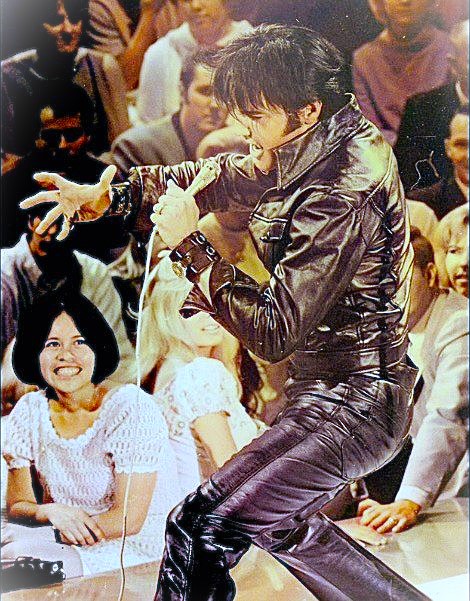
The turning point arrived with NBC’s 1968 Comeback Special, an event that would forever alter the trajectory of his career. Backstage, Elvis wrestled with nerves and the weight of expectation, aware that millions of viewers would soon judge not only his talent but his relevance. Once on stage, however, he transformed uncertainty into electricity, delivering a performance that radiated charisma, confidence, and authenticity. Every movement, every glance, and every note revealed a performer reconnecting with the artistry and showmanship that had initially catapulted him to fame. The black leather outfit, designed by Bill Belew and inspired by Marlon Brando’s rebellious style in The Wild One, became emblematic of this artistic rebirth. The ensemble—a sleek combination of leather, silk shirts, and flowing scarves—signaled a new era for Elvis, merging his raw rock roots with the sophistication of a seasoned performer fully in control of his image.
The impact of the special was immediate and profound. Ratings skyrocketed, the accompanying soundtrack soared on the charts, and fans old and new flocked to witness the resurrection of the King. This comeback was far more than a television event; it was a bold, public assertion of resilience, artistry, and personal reinvention. Elvis had not only reclaimed his identity as a performer but had redefined himself as a live artist whose magnetic stage presence transcended film. The 1968 Comeback Special reminded audiences why Elvis Presley was—and remains—the King of Rock ’n’ Roll: a figure whose talent, determination, and ability to captivate a generation could not be diminished by time, Hollywood’s constraints, or even his own self-doubt.
Beyond the performance itself, the documentary explores the broader significance of this pivotal moment in Elvis’s life. It captures the meticulous preparation, creative risks, and personal determination required to stage a comeback that would satisfy not only a global audience but also the artist’s own high standards. Interviews, archival footage, and personal anecdotes paint a vivid picture of a man who refused to be defined by the limitations others imposed on him. It underscores the reality that true artistry often demands courage, self-awareness, and a willingness to confront one’s own fears head-on. By the end of the special, viewers are left with a renewed appreciation for the complex, human side of a man whose public persona often overshadowed the struggles and triumphs that lay behind the legend.
In essence, Return of the King: The Fall & Rise of Elvis Presley does more than recount a historic television performance; it celebrates the indomitable spirit of a man determined to reclaim his place in music history. Through courage, reinvention, and an unwavering commitment to his craft, Elvis demonstrated that even when faced with creative stagnation, personal doubt, and public expectation, an artist can rise again. The documentary is both a tribute to his enduring legacy and a reminder of the universal truth that reinvention is possible, even for those who have already achieved monumental success.