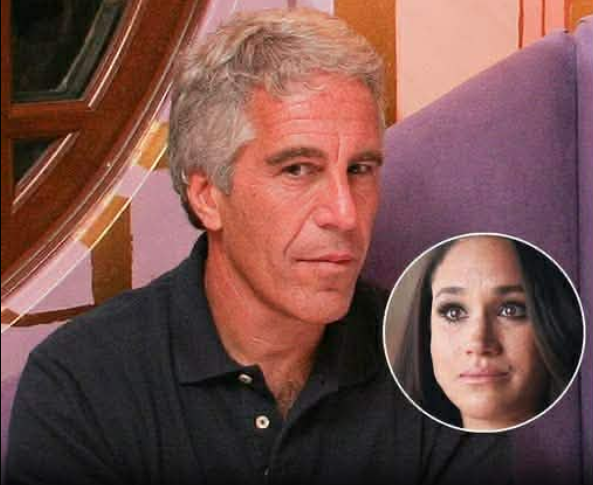
The recently released documents related to the crimes of the disgraced financier Jeffrey Epstein have once again sent shockwaves through the media and the public, reigniting a firestorm of speculation, outrage, and curiosity that had never fully subsided. This renewed scrutiny was largely expected, given the notoriety of Epstein’s crimes, the high-profile nature of many of the alleged connections, and the global attention that his case has consistently commanded since his first arrest and subsequent conviction. Epstein’s story, which intertwined wealth, influence, and unspeakable acts of sexual abuse, had long been a focal point for journalists, investigators, and social commentators, making any new revelations a magnet for public attention.
Jeffrey Epstein took his own life while in federal custody in August 2019, a moment that not only shocked the nation but also fueled years of conspiracy theories and unanswered questions. He was found hanging in his cell at the Metropolitan Correctional Center in New York, a facility widely considered to be secure and closely monitored. The circumstances of his death, combined with his alleged network of high-profile clients, created fertile ground for speculation about the full extent of his operations and the identities of those who might have been implicated or associated with his activities. From the outset, the Epstein case has been less about closure and more about the lingering, uncomfortable intersections of power, privilege, and criminality.
Over the years, the public has speculated endlessly that Epstein’s so-called “client list” might include individuals whose names could, in theory, put them at legal or social risk. These alleged lists, purportedly containing names of politicians, celebrities, business magnates, and other highly influential figures, were rumored to have served as a means of blackmail, coercion, or leverage. The FBI has repeatedly stated that there is no verified evidence of such a list, despite widespread media attention and public fascination. However, the very idea of a catalog of connections tied to Epstein’s illicit activities captured the imagination of many, creating a climate of suspicion in which even casual associations became fodder for speculation and rumor.
While initial releases of Epstein-related documents occurred toward the end of the previous year, the Department of Justice took a more expansive approach in January 2026, releasing over 3 million additional documents tied to the case. This latest tranche of records represents one of the most comprehensive disclosures since Epstein’s death and has significantly expanded the volume of information available to Congress, researchers, and the public. The scope of the release reflects the DOJ’s stated commitment to transparency, even in a case rife with political sensitivity, public outrage, and international attention.
This time, the DOJ provided Congress with a comprehensive list of every individual whose name appeared anywhere in the Epstein files. Officials were quick to clarify that inclusion in the documents does not imply involvement in or knowledge of Epstein’s crimes. Attorney General Pam Bondi, along with her deputy Todd Blanche, emphasized that names appear in the files in a “wide variety of contexts,” ranging from social engagements to professional correspondence, and that their mere presence should not be interpreted as evidence of wrongdoing. In an accompanying letter, Bondi underscored that no records were withheld or redacted due to concerns over embarrassment, political sensitivities, or potential reputational damage, regardless of whether the individuals were public officials, celebrities, or foreign dignitaries.
The released documents were categorized into nine separate groups, covering areas such as communications, financial transactions, travel itineraries, social gatherings, and legal correspondence. According to the DOJ, the release represents the “complete compilation” of records associated with the Epstein case, allowing for unprecedented public scrutiny. For legal analysts and journalists, the challenge now lies in interpreting the sheer volume of material, much of which consists of mundane interactions, email chains, and references that are contextually ambiguous.
Despite these clarifications, public speculation has surged, particularly regarding individuals whose names appear repeatedly in the files. Among them is Sarah Ferguson, the Duchess of York, who is mentioned in connection with numerous social engagements and travel arrangements involving Epstein. The documents suggest a close and sustained relationship, with emails reportedly in which Ferguson referred to Epstein as her “pillar” and maintained communication with him even while he served time for sex crimes. Following the release of the documents, Ferguson largely retreated from public view, reportedly spending over a month at the Paracelsus Recovery Clinic in Zurich, a discreet and high-end facility offering around-the-clock medical attention and privacy, with costs exceeding $17,500 per night and luxury packages surpassing $120,000 per week.
The fallout from the document release is also expected to impact Ferguson’s business ventures. CNN has reported that six companies linked to Ferguson may face closure or restructuring as a result of the public and media attention generated by the disclosure of these files. While no wrongdoing is alleged, the reputational and financial ramifications of appearing in the Epstein documents are significant, reflecting the complex interplay of public perception, media scrutiny, and legal nuance in cases involving high-profile figures.
Other notable women mentioned in the files come from a range of professional and social spheres, including philanthropy, entertainment, and politics. Melinda Gates appears in relation to charitable work, while Hollywood personalities are primarily referenced in the context of events, professional correspondence, or guest lists. Monica Lewinsky, whose name remains synonymous with one of the most infamous political scandals of the late 20th century, is mentioned briefly, while former actress Meghan Markle, now the Duchess of Sussex, is referenced in relation to past events during her acting career. Similarly, #MeToo advocate Alyssa Milano is mentioned without implication of misconduct. The files also list a broad spectrum of prominent female figures, including Alexandria Ocasio-Cortez, Ashley Biden, Chelsea Clinton, Ashley Massaro, Diana, Princess of Wales, Ghislaine Maxwell, Gloria Allred, Hillary Clinton, Ivanka Trump, Jill Biden, Kamala Harris, Lady Victoria Hervey, Mette-Marit (Crown Princess of Norway), Ariane de Rothschild, Melania Trump, Michelle Obama, Nancy Pelosi, Nikki Haley, Sarah Ferguson, Theresa May, Zoe Lofgren, Naomi Campbell, Annabelle Neilson, Elisa New, Stacey Plaskett, Penny Pritzker, and Princess Sofia, Duchess of Värmland. Again, it is important to note that no wrongdoing is implied for any of the individuals listed.
The ongoing media coverage highlights the enduring public fascination with the Epstein case. The revelations touch on broader societal concerns about accountability, power dynamics, and the ways in which wealth and influence can intersect with criminality. Survivors and advocacy groups continue to demand justice, transparency, and reforms to prevent such abuses in the future. Meanwhile, the public seeks clarity on how Epstein was able to operate for so many years without intervention, raising questions about oversight, institutional responsibility, and the systemic failures that allowed such conduct to continue largely unchecked.
In essence, the release of these documents serves as both a historical record and a contemporary point of discussion, forcing society to confront uncomfortable questions about privilege, complicity, and the limits of accountability. While the DOJ has clearly stated that mention of a name does not constitute guilt or involvement, the court of public opinion is far less restrained. The vast media coverage, social media commentary, and public speculation ensure that the Epstein case continues to resonate as one of the most politically charged and socially significant scandals of recent history. As the documents are analyzed, debated, and referenced, the case remains a focal point for discussions about the intersections of wealth, power, and criminal accountability in modern society.