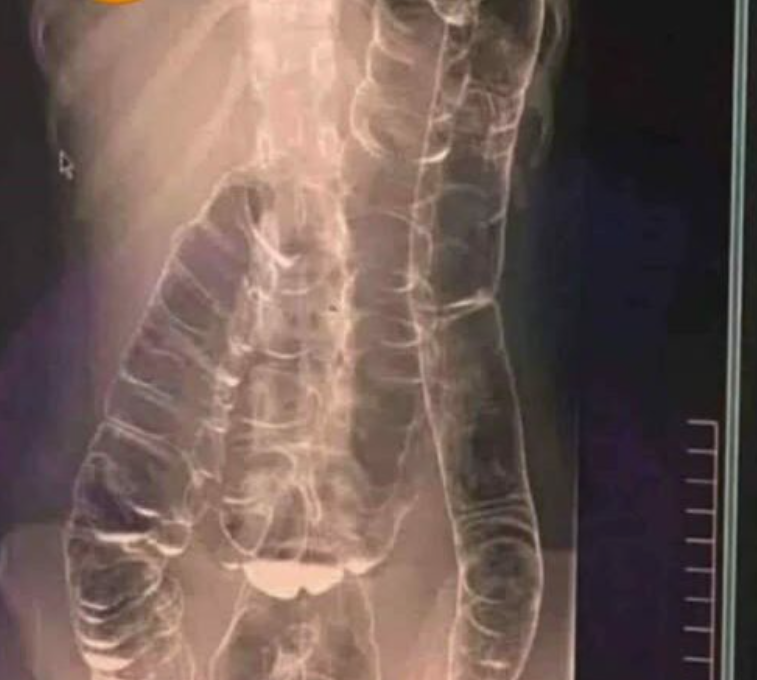
The human digestive system is a marvel of biological engineering — a complex processing line that extracts vital nutrients and eliminates metabolic waste. When it functions properly, it remains almost invisible in the background of a healthy life. But when the elimination process is disrupted, chronic constipation can develop. Far from being just a minor discomfort or social inconvenience, chronic constipation is considered by health professionals to be a “silent enemy” of digestive well-being. If left untreated, it can trigger a chain of problems — from hemorrhoids and anal fissures to more serious complications such as fecal impaction or disruption of the gut microbiome. Understanding how this condition works and the lifestyle changes needed to correct it is essential for long-term health.
The primary role of the large intestine is to absorb water from food waste and form stool. Constipation occurs when the muscular contractions of the colon are slow, causing waste to move too slowly through the digestive tract. The longer stool remains in the colon, the more water is absorbed, making it hard and difficult to pass. Over time, this creates an unhealthy internal environment. The body may begin to reabsorb substances that were meant to be eliminated, leading to symptoms beyond the digestive system: brain fog, skin issues, persistent fatigue, and a general feeling of heaviness.
The Pillars of Natural Prevention
For most people, the solution does not lie in laxatives, but in basic lifestyle adjustments that restore the gut’s natural motility.
1. Dietary Fiber
Fiber is essential. The modern processed diet has significantly reduced natural fiber intake. Fiber acts as the “broom” of the digestive tract. Soluble fiber (found in oats and beans) absorbs water and forms a gel-like texture that eases stool passage. Insoluble fiber (found in whole grains and vegetables) adds bulk and stimulates bowel contractions. Without enough fiber, the colon lacks the stimulation needed for regular movement.
2. Hydration
Fiber cannot work without water. Increasing fiber without increasing fluid intake can worsen constipation. Water acts as the digestive system’s lubricant — it keeps stool soft and allows it to pass more easily.
3. Physical Movement
Exercise stimulates peristalsis — the natural contractions of the intestines. Even a 30-minute walk after meals can significantly improve transit time. A sedentary lifestyle often leads to a sluggish digestive system.
The Importance of Routine and Stress Management
The digestive system is sensitive to stress and routine. Establishing a consistent bathroom schedule is crucial. The body functions according to biological rhythms; giving yourself time each morning — especially after a warm drink that stimulates the gastrocolic reflex — helps the nervous system relax and allows elimination to occur naturally. Ignoring the urge to go can lead to chronic issues, as the body may gradually stop sending clear signals.
The Impact of the Modern Diet
Processed foods high in refined sugars and unhealthy fats slow digestion. They lack adequate fiber and enzymes and often cause fermentation and gas buildup. Replacing them with fermented foods such as yogurt, sauerkraut, or kimchi helps restore beneficial gut bacteria. Natural supplements like magnesium or herbal teas (peppermint, ginger) may provide gentle support without the harsh effects of stimulant laxatives.
Warning Signs
If constipation persists despite dietary and hydration changes, or is accompanied by warning symptoms such as severe bloating, persistent vomiting, or blood in the stool, medical attention is necessary. These signs may indicate bowel obstruction or a serious inflammatory condition. Ignoring them can result in dangerous complications such as intestinal perforation or sepsis.
A Long-Term Vision for Gut Health
Digestive health is not a temporary fix but a lifestyle philosophy. It requires ongoing attention to your body’s signals — thirst, hunger, fatigue. Small daily habits, such as drinking a glass of water in the morning, choosing fresh foods, and staying active, create a strong foundation for well-being.
The goal is to shift from reactive crisis management to proactive prevention. A healthy gut supports the immune system, emotional stability, and energy levels. When digestive health becomes a priority, it promotes internal harmony for years to come.
Ultimately, caring for your gut means returning to the natural rhythms that modern life has often disrupted. Listening to your body is an act of self-respect. Neglect carries a high cost, but consistency is rewarded with lightness, vitality, and true physical freedom.