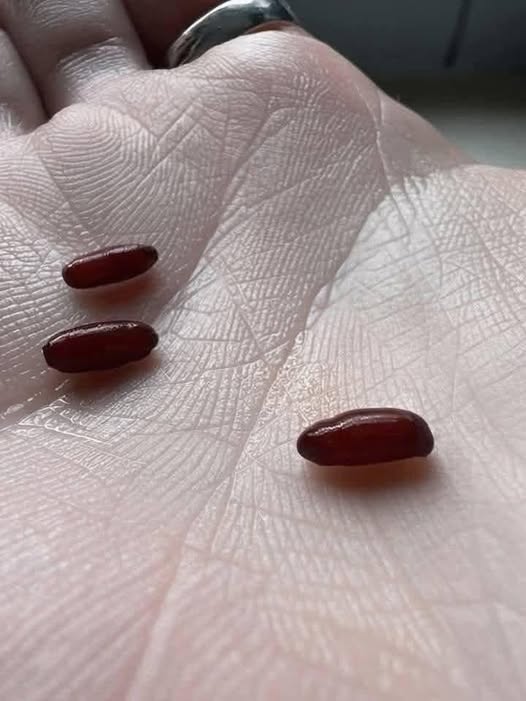
I woke up one morning to find a handful of tiny, curled shavings scattered across my sheets. At first glance, I assumed they were lint or leftover fibers from the laundry. But then I began noticing the same little spirals in places that didn’t make sense — on my work desk, on my wrist after a long day, even on the seat of my car. They looked like miniature twists of Velcro, soft yet surprisingly firm, and they kept appearing no matter where I went. It wasn’t until I paid closer attention that I realized these weren’t random bits of debris at all — they were shedding directly from my smartwatch band.
Most people never give much thought to the strap they wear every day. You buckle it in the morning, take it off at night, and expect it to last indefinitely. But silicone and rubber bands, while flexible and comfortable, go through constant stress. They bend, stretch, rub, and trap sweat against your skin from the moment you put them on. Those tiny curled shavings are simply the first visible signs that the material is breaking down. It’s not dust — it’s the outer layer of the strap slowly peeling away.
Daily use puts far more strain on these bands than most realize. Every slight movement of the wrist creates friction. Every workout builds heat and moisture beneath the strap. Every time your wrist presses against a desk or your sleeve slides across the watch, the band is tugged, twisted, and scraped. Gradually, microscopic layers of the material separate and curl off, collecting quietly until you finally notice them.
Typing is one of the biggest culprits. Anyone who spends hours at a computer often drags their wrist across a hard edge without realizing that this repetitive motion is wearing the strap down. Tight sleeves have a similar effect — they catch, rub, and pull on the band with every movement. Exercise speeds up the process even more. Sweat-soaked straps break down quickly, and repeated arm motions wear the material thin.
Not all bands deteriorate at the same speed. Lower-quality silicone tends to degrade fast, sometimes producing piles of shavings in just a few months. Older, sun-exposed straps can begin shedding almost overnight as the material dries out and loses its elasticity. Higher-end materials like fluoroelastomer, on the other hand, hold up much better. These premium bands are designed to withstand sweat, friction, UV light, and constant stretching — which is why they usually come with a higher price tag.
The good news is that these shavings aren’t dangerous. They won’t harm your skin and don’t pose any health concerns. But they are a clear message: your strap is aging. Once the shedding becomes visible, the band has already lost some of its original strength. Ignoring the signs can lead to cracks, especially around the buckle or the connectors. When that happens, the strap may snap unexpectedly — and a broken band at the wrong moment can send your costly watch straight toward the ground.
Skin irritation is another sign of wear. As the material degrades, the strap may start to feel rougher or cause redness. Sweat trapped under a deteriorating band can lead to itching, especially if small bits of material cling to your skin. If that happens, it’s a sure indication that a replacement is overdue.
Thankfully, there are ways to slow this process. Cleaning the strap regularly removes sweat, oils, and dirt that slowly erode the material. A gentle wash with warm water and mild soap once or twice a week can significantly extend the strap’s lifespan. Rotating between multiple bands also helps. Switching straps gives each one time to dry out, breathe, and recover from daily stress — especially important since constant moisture is one of the main causes of early deterioration.
How you wear your watch matters, too. A strap that’s too tight increases friction and tension. One that’s too loose slides around, causing more rubbing. A balanced fit — snug but comfortable — reduces unnecessary strain and helps keep the material intact longer.
If you start seeing shavings regularly — not just occasionally — it’s the clearest sign the strap has reached the end of its life. At that stage, upgrading isn’t just for aesthetics. It’s practical. High-quality straps can last years without peeling, cracking, or shedding. They stay smooth, resist sweat, and maintain their flexibility. They don’t start crumbling the moment you roll up your sleeves or go for a workout.
Replacing the strap can even change the way your watch feels. A fresh band often fits better, feels softer against the skin, and makes the whole device look newer. Many people don’t realize just how worn-down their old strap was until they experience the comfort of a new one.
Those tiny curls you’ve been finding aren’t random mess. They’re reminders. They represent hours of movement, friction, sweat, and the simple wear of everyday life with a device that rarely leaves your wrist. They signal that the strap has served its purpose — and that it’s time for something new.
Once you replace it, the difference is immediate. No more tiny shavings on your sheets or desk. No more roughness along the edges. No more irritated skin after a long day. Just a clean, durable, comfortable strap ready to take on your routine without slowly falling apart.
Sometimes the smallest details say the most. Those little curls weren’t just bits of silicone. They were the quiet evidence of time, use, and the reality that even the most reliable things eventually show signs of wear — and that knowing when to renew them makes all the difference.