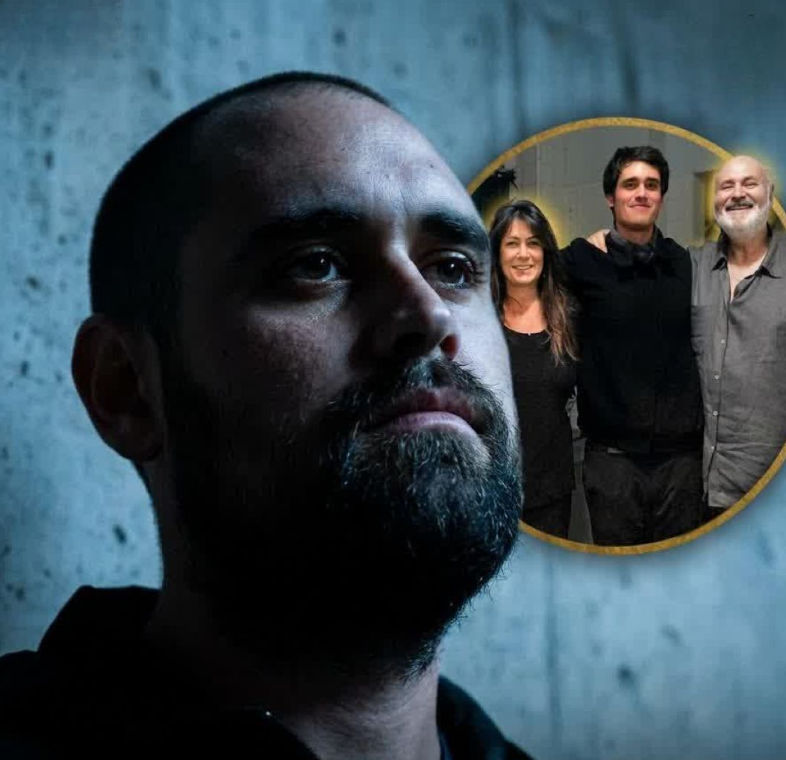
The convergence of fame, psychological struggle, and the criminal justice system has reached a devastating peak with the arrest of Nick Reiner, the thirty-two-year-old son of renowned filmmaker Rob Reiner and photographer Michele Singer Reiner. On December 14, 2025, shockwaves rippled through Hollywood when Los Angeles police arrested Nick in connection with the brutal killings of his parents inside their Brentwood home. As prosecutors with the Los Angeles County District Attorney’s Office prepare for an intense and closely watched legal battle, the public is forced to confront the troubling trajectory of a man whose life unfolded under both the glare of celebrity and the crushing weight of addiction.
To grasp the gravity of the present case, it is essential to examine Nick Reiner’s long-documented history with mental health and substance abuse. Years before becoming the focus of a homicide investigation, Nick spoke openly about his struggles with addiction, positioning himself as an advocate for recovery and psychological awareness. His first stay in a residential treatment facility came at just fifteen years old, marking the beginning of a cycle of sobriety, relapse, and rehabilitation that would span nearly twenty years. Time spent in sober-living communities across the country exposed him to both the promise and the failures of America’s addiction treatment system. These experiences shaped his identity as he tried—often unsuccessfully—to step out from behind the enormous shadow cast by the Reiner name.
One of the most painful chapters in Nick’s life involved periods of homelessness and instability. He admitted to living without permanent shelter, navigating life on the margins while carrying the burden of being born into Hollywood privilege. This contrast between public perception and private suffering created a deep internal fracture. For those who associate wealth with immunity from hardship, Nick’s story became a stark reminder that money and influence offer little protection against opioid addiction or co-occurring mental health disorders. His willingness to publicly confront these realities was meant to give voice to others battling similar demons. Today, that openness reads as a grim prelude to the criminal allegations he now faces.
Nick’s relationship with his father was widely understood to be strained for much of his life. He often described an emotional distance rooted in generational trauma, professional absence, and his own escalating behavioral problems. That distance appeared to narrow in 2016 when father and son collaborated on the film Being Charlie, a deeply personal project reflecting Nick’s own experiences with addiction. The film functioned as both art and reconciliation, allowing them to confront their shared pain through storytelling. At the time, both expressed hope that the project had repaired their fractured bond and transformed years of estrangement into mutual understanding.
Now, that fragile healing stands in stark contrast to the present reality. Nick Reiner remains in custody without bail as homicide detectives, forensic specialists, and digital analysts work to reconstruct the final hours leading up to the killings. The case has prompted widespread interest in California homicide statutes, diminished-capacity defenses, and the role mental illness may play in criminal accountability. Prosecutors are expected to closely examine Nick’s medical and prescription history in determining his mental state at the time of the incident. For crisis-management professionals and legal strategists, the case presents an extraordinary challenge: balancing transparency, public scrutiny, and the defendant’s right to due process.
Outside the courtroom, the tragedy has reignited a national conversation about the shortcomings of the mental health system. Despite access to elite medical care and financial resources, the Reiner family was unable to prevent a catastrophic breakdown. This has led many to question the effectiveness of intervention strategies, involuntary treatment laws, and long-term psychiatric care in cases involving severe mental illness. The situation also draws attention to a disturbing pattern of domestic violence involving adult children and aging parents—an area requiring careful evaluation by forensic psychologists and elder-law experts.
As coroners finalize autopsy findings and the case enters the discovery phase, the Reiner family has requested privacy as they navigate unimaginable loss. Meanwhile, legal professionals are managing the financial and estate implications tied to Rob and Michele Reiner’s intellectual property, charitable work, and real estate holdings. These measures aim to preserve their legacy amid the legal storm surrounding their son.
Nick Reiner’s story is steeped in tragic contradiction. For years, he sought to dismantle the illusion of perfection surrounding famous families, using his voice to expose the raw reality of addiction. Now, he occupies the center of a media frenzy far more intense than anything he ever experienced as a filmmaker or advocate. While journalists and true-crime audiences dissect the case for its complexity and notoriety, for those closest to the family it represents an intensely private devastation unfolding in public view.
As preliminary hearings approach, attention remains fixed on evidentiary standards, witness credibility, and procedural integrity. Online search trends reflect relentless public fascination, with updates on the arrest and investigation dominating news cycles. Yet beneath the headlines lies a sobering truth: mental illness does not discriminate by wealth, status, or fame.
Ultimately, this case exposes the fragile limits of recovery. It underscores how cycles of addiction and untreated psychological distress—when left without sustained, comprehensive support—can lead to irreversible harm. Legal experts across the country will be watching closely to see how the California courts address a defendant with such an extensive history of mental health challenges. Whether the outcome involves trial, psychiatric commitment, or negotiated resolution, its implications will resonate far beyond this single case.
For now, the public waits for official filings and prosecutorial decisions. The Reiner legacy hangs in painful uncertainty, but there remains hope that this devastating chapter may prompt deeper conversations about early intervention, family-centered mental health care, and systemic reform. This is not merely a scandal rooted in Hollywood—it is a national tragedy that forces reflection on the cost of untreated illness, fractured relationships, and the profound vulnerability of the human mind.