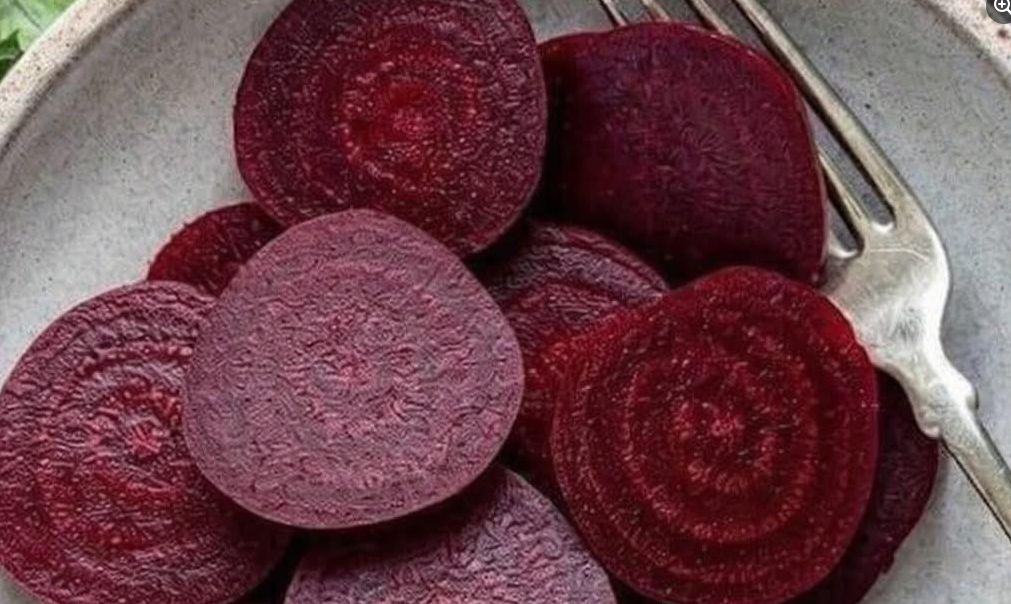
Beets are often celebrated as a “superfood,” and this label is not the result of extravagant marketing claims, but rather the accumulation of consistent scientific evidence supporting their benefits. Unlike trendy foods that promise immediate effects, beets work quietly and steadily within the body, providing support for circulation, energy utilization, and overall cellular health. Their impact is subtle at first, but with regular consumption, the benefits become tangible and significant. Among the many compounds present in beets, natural nitrates have received some of the most extensive research attention.
During digestion, these nitrates are converted into nitric oxide, a molecule that plays a critical role in relaxing and widening blood vessels. This process improves blood flow and overall circulation, which has a cascade of positive effects on health. Enhanced circulation contributes to cardiovascular health, allowing oxygen and essential nutrients to reach tissues more efficiently. Athletes, in particular, may notice increased endurance and reduced fatigue during physical activity, while others may experience improved mental clarity, sharper focus, and a general boost in vitality and well-being over time. These physiological effects highlight how a simple vegetable can influence both physical performance and cognitive function.
Beyond circulation, beets support healthy digestion and metabolic balance. They are rich in dietary fiber, which acts as nourishment for beneficial gut bacteria, helping maintain a balanced microbiome. This fiber also slows the absorption of glucose into the bloodstream, reducing the likelihood of sharp blood sugar spikes and promoting steady energy levels throughout the day. Additionally, beets contain betalains, a class of powerful antioxidants known for their anti-inflammatory and detoxifying properties. Betalains help neutralize harmful free radicals and support the body’s natural detoxification processes, particularly in the liver, where metabolic byproducts and toxins are filtered and processed.
Nutritionally, beets are a dense source of essential vitamins and minerals. They provide folate, which is crucial for DNA synthesis and repair, potassium, which helps regulate fluid balance and blood pressure, manganese, which supports enzymatic functions and bone health, and iron, which is vital for oxygen transport and energy production. These nutrients collectively contribute to brain function, muscular health, and overall metabolic efficiency. While beets are generally safe for most individuals, some may notice a harmless reddish or pink tint in their urine, a phenomenon known as beeturia. Those who are prone to kidney stones should moderate their intake, as the oxalates in beets can contribute to stone formation in susceptible individuals.
One of the most appealing aspects of beets is their versatility. They can be enjoyed raw, roasted, juiced, or pickled, making it easy to incorporate them into a variety of meals and dietary patterns. Over time, consistent inclusion of beets in the diet can support long-term health through a combination of improved circulation, enhanced energy metabolism, antioxidant protection, and nutrient density. While they are not a magic cure or instant remedy, the steady, cumulative effects of regular beet consumption underscore the value of small, consistent dietary choices in promoting overall wellness.
In summary, beets offer a wealth of health benefits that unfold gradually but meaningfully. Their natural nitrates enhance blood flow, their fiber and antioxidants support digestion and liver health, and their rich nutrient profile aids in overall bodily function. Incorporating beets into your diet is a simple yet powerful way to nurture your body over time, proving that sometimes the most effective health strategies are not flashy or immediate, but quiet, reliable, and enduring.