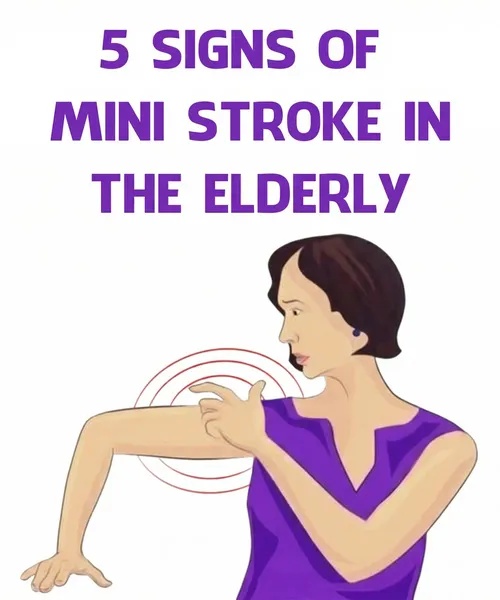
A mini-stroke, medically known as a transient ischemic attack (TIA), is a critical event in which blood flow to a part of the brain is temporarily reduced or blocked. This reduction in blood supply typically occurs because of narrowed arteries or a small blood clot that disrupts circulation, causing a short-lived interruption. In older adults, this condition is particularly common, as the risk of atherosclerosis—narrowing and hardening of the arteries—tends to increase with age. While the symptoms of a TIA often resolve in a matter of minutes, it is crucial not to dismiss them as inconsequential. Unlike a simple episode of dizziness or fatigue, a mini-stroke is a serious warning sign that demands immediate attention. It is not a benign, passing event; rather, it signals that the brain’s blood supply is in jeopardy, and the person is at a higher risk for a more severe stroke in the future. Recognizing and treating a TIA as a medical emergency can ultimately be the key to preventing a life-altering stroke.
The symptoms of a mini-stroke can come on suddenly, and while they may be temporary, they can vary widely. Common signs include weakness or numbness on one side of the body, which can manifest as a drooping face or difficulty lifting an arm or leg. People may also struggle with speech, either experiencing slurred speech or having difficulty finding the right words. In some cases, people might be unable to understand simple sentences or have trouble reading. Vision changes are another symptom of a TIA, such as blurred vision or a partial loss of sight, often in one eye. Some individuals may experience sudden dizziness, vertigo, a loss of balance, or a severe headache without any obvious cause. The fleeting nature of these symptoms often leads people to believe they’re simply signs of fatigue or stress, but any sudden neurological change should be treated as an urgent medical concern. The disappearing symptoms don’t mean that the underlying issue has resolved; they are simply a fleeting alert that immediate action is needed to prevent further damage.
Risk factors for a TIA are similar to those of a full-blown stroke. Age is a significant factor, as the risk of arterial damage increases with advancing years. However, several medical conditions, including high blood pressure (hypertension), diabetes, and high cholesterol, significantly increase the likelihood of having a mini-stroke. These conditions cause gradual damage to blood vessels, making blockages more likely. Lifestyle habits such as smoking, lack of physical activity, and poor dietary choices exacerbate these risk factors, leading to reduced circulation and making the blood vessels more prone to clotting. A TIA often acts as the body’s early warning system, signaling that the brain is vulnerable. Research indicates that many individuals who experience a TIA will go on to have a full stroke within days or weeks if they do not receive medical treatment and preventive care. Therefore, even if a person feels perfectly fine after a mini-stroke, it is essential to seek medical attention promptly. Early intervention is crucial in identifying the cause of the TIA and implementing preventive measures to reduce the risk of a more serious, potentially life-threatening stroke.
When someone is brought to the hospital after experiencing a TIA, doctors will typically perform a series of tests to determine what caused the episode. These tests may include imaging scans, such as MRIs or CT scans, heart tests like an electrocardiogram (EKG), and blood work to measure cholesterol levels and other vital markers. Treatment after a TIA usually involves medications aimed at preventing further blood clots and managing risk factors, such as controlling blood pressure and cholesterol levels. In some cases, doctors may recommend surgery or procedures to remove blockages or widen narrowed arteries. Along with immediate care, long-term recovery focuses heavily on preventing future strokes. Lifestyle changes such as quitting smoking, maintaining regular physical activity, managing stress, and adhering to a heart-healthy diet can help improve blood flow and reduce the chances of another TIA or stroke. While these changes may seem difficult, they are far less challenging than dealing with the long-term effects of a major stroke. Ultimately, prevention is key.
The key takeaway from experiencing a mini-stroke should be that any sudden neurological symptom—whether it’s weakness, speech issues, or vision disturbances—should never be ignored. Time is of the essence when it comes to stroke prevention. By seeking medical care immediately after experiencing a TIA, you can reduce the likelihood of suffering a severe, life-altering stroke in the future. Recognizing the warning signs, acting quickly, and following through with the necessary treatment and lifestyle changes can safeguard not just your brain’s health, but your independence and quality of life as well. Early detection and intervention are the best tools available for reducing the risk of stroke and ensuring that your health remains protected.