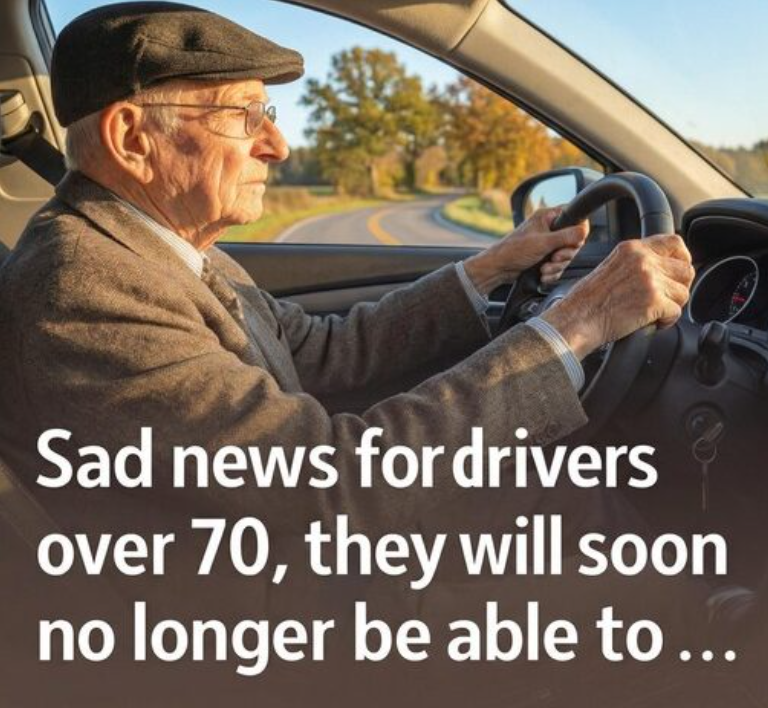
The concept of mobility is deeply interwoven with the human experience of autonomy and freedom. For the growing population of older adults, the ability to operate a motor vehicle transcends mere convenience; it represents a critical lifeline to independence, social engagement, and personal agency. Driving allows seniors to maintain meaningful connections with friends and family, attend medical appointments, manage household responsibilities, and participate fully in community life without the burden of depending on others. As we navigate the landscape of 2026, the conversation around senior driving has shifted from one dominated by concern and caution to a discourse that emphasizes empowerment, dignity, and practical solutions. While it is entirely natural to raise questions about aging and road safety, research and experience consistently show that the majority of older drivers retain a remarkable degree of skill, awareness, and judgment for many years. By fostering a culture that combines public education, supportive infrastructure, and individualized assessment, society can ensure that driving in later life remains both safe for the community and affirming for the individual.
In the United States, the regulation of driving privileges for seniors is notably decentralized, with no uniform federal mandate dictating when a person must stop driving. Instead, individual states are charged with developing policies that balance personal autonomy against collective road safety. These guidelines vary widely but often include measures such as shorter license renewal cycles, mandatory in-person renewal procedures, or the requirement of vision tests and medical evaluations when health concerns arise. These practices are not intended to discriminate but to ensure that every driver maintains the ability to operate a vehicle safely. For many older adults, navigating these state requirements successfully can be a confidence-building experience, reaffirming their competence and reinforcing their sense of independence while simultaneously contributing to public safety.
Aging naturally brings both physical and cognitive changes that can subtly influence driving abilities. Vision may become less acute, particularly under low-light conditions; reaction times may lengthen slightly; and decreased flexibility can make checking blind spots, turning the steering wheel, or performing emergency maneuvers more physically demanding. Despite these challenges, many older drivers are among the most self-aware and conscientious cohorts on the road. They often develop adaptive strategies to maintain safety, such as limiting travel to daylight hours, avoiding high-traffic routes, or sticking to familiar local roads. These proactive adjustments illustrate a level of responsibility that balances personal freedom with a commitment to public safety, demonstrating that age need not be synonymous with increased risk when managed thoughtfully.
For families, discussing a loved one’s driving can be emotionally charged, frequently intertwining concern, pride, and fear of offending the senior in question. Experts in gerontology and road safety recommend approaching the topic with sensitivity, transparency, and respect. Conversations about driving should ideally occur before safety becomes an immediate concern, framed as part of an ongoing dialogue rather than a crisis intervention. Objective data—such as routine health screenings, medication reviews, and mobility assessments—can guide these discussions, identifying potential impairments without making the individual feel unfairly judged. Additionally, many seniors benefit from participation in voluntary driving refresher courses designed specifically for older adults. These programs provide updates on modern vehicle technologies, defensive driving strategies, and the latest traffic regulations, enabling older drivers to maintain both competence and confidence without compromising their dignity.
Modern strategies for senior mobility have increasingly shifted from rigid, age-based restrictions to comprehensive, supportive frameworks that prioritize education, assessment, and empowerment. Transportation authorities and community organizations are implementing initiatives aimed at helping older drivers sustain safe practices, from awareness campaigns about visual and cognitive changes to programs offering skills assessments and adaptive driving techniques. The objective is not to diminish independence but to provide older adults with tools to self-monitor, adjust behaviors, and remain active participants in daily life. Such measures reflect a nuanced understanding that safe driving in later life is a combination of self-awareness, ongoing learning, and environmental adaptation.
Maintaining mobility is central to aging with dignity. Driving enables older adults to continue engaging with society, preserving social connections, and contributing meaningfully to the economic and cultural life of their communities. This continued engagement serves as a vital counterbalance to the isolation, loneliness, and depression that may accompany restricted independence. By fostering open communication, proactive health management, and supportive community structures, society can ensure that the later years are characterized not by limitation, but by continued involvement, exploration, and personal fulfillment. The conversation must move beyond a binary view of “driving or not driving” toward a more sophisticated understanding of how aging drivers can maintain safety, autonomy, and confidence.
The story of senior drivers in 2026 is ultimately one of resilience, adaptation, and balance. When regulatory oversight, family involvement, and personal responsibility converge, driving remains a viable and enriching aspect of life well into older adulthood. The combination of state-level policies, community resources, and individual awareness creates a framework in which each mile driven is both a reflection of competence and a demonstration of societal respect for independence. Looking forward, innovations in infrastructure, vehicle technology, and senior-focused education programs will further enhance the ability of older adults to navigate roads safely and confidently. By treating driving as a skill to be nurtured and continuously assessed rather than as a right revoked based solely on age, society can foster inclusivity, safety, and dignity for drivers of all generations. Every thoughtful mile traveled is an affirmation of capability, a reinforcement of autonomy, and a testament to the ongoing contribution of older adults to the vitality of their communities.