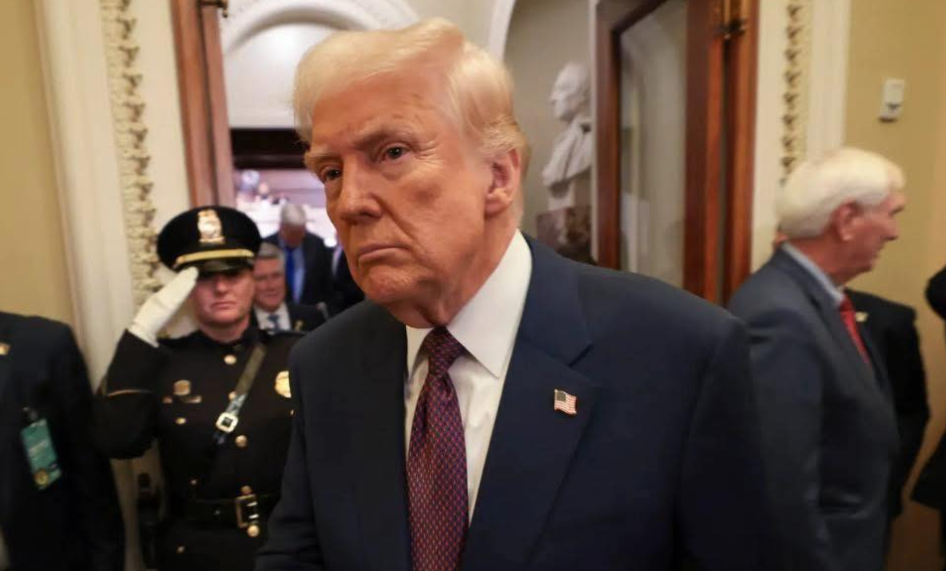
On July 4, 2025, President Donald Trump signed into law a major piece of legislation, officially titled the One Big Beautiful Bill Act, reshaping significant portions of the federal tax code and reigniting debate over who benefits most from Washington’s economic policies. Supporters praise it as long-overdue relief for working Americans, while critics warn of long-term fiscal consequences that could last for decades.
At its core, the law permanently extends existing tax cuts that were originally set to expire in 2025, preserving trillions in lower tax rates for individuals and businesses. It also introduces new provisions, including tax-free overtime pay and an expanded deduction for seniors on fixed incomes. According to the Congressional Budget Office, these changes could increase the federal deficit by roughly $3.4 trillion over the next ten years.
One of the most discussed features of the law is the elimination of federal income taxes on tips, directly affecting millions of workers in the service industry. Restaurant servers, bartenders, hotel staff, delivery drivers, and others who rely heavily on gratuities could see a noticeable boost in take-home pay.
Proponents argue that tipped workers are among the most financially vulnerable, often living paycheck to paycheck with unpredictable income and limited benefits. Making tips tax-free is seen as a practical way to offer immediate relief without increasing costs for employers.
“This is about fairness,” said Senator Ted Cruz of Texas, a primary sponsor alongside Senator Jacky Rosen of Nevada. “These workers put in long hours, often nights and weekends, and struggle to make ends meet. They deserve to keep more of what they earn.”
Senator Rosen emphasized the economic importance of service workers in tourism-heavy states. “In places like Nevada, service workers are the backbone of the economy,” she said. “This legislation gives them the respect and support they deserve.”
Under the new law, tips given directly by customers must still be reported as income, but they are no longer subject to federal income tax. Employers continue to track tip earnings, but the tax burden is removed. The exemption applies only to tips—not to regular wages, salaries, or employer-paid bonuses.
The law also defines what counts as a tip. Automatic service charges, like mandatory 18–20% fees on large restaurant parties, are excluded because they are considered wages. Additionally, the exemption does not apply to professions classified as Specified Service Trades or Businesses—such as law, accounting, consulting, and finance—where income comes primarily from specialized skills rather than customer tips.
Supporters say these limits prevent abuse and ensure the focus remains on traditional service workers. Combined with tax-free overtime, the law encourages work while reducing pressure on small businesses that might otherwise face demands for higher wages.
Critics, however, see the policy differently. Some economists argue that while the tip exemption benefits certain workers, it leaves out others in non-tipped roles who may also face financial hardship. Others worry employers might restructure pay to increase reliance on tips, making income less stable.
There are also broader fiscal concerns. Extending existing tax cuts while adding new deductions reduces federal revenue significantly. With deficits already high, opponents argue the bill prioritizes short-term political gains over long-term budget discipline and question how future administrations will manage rising debt.
Despite these concerns, the law has been popular with many Americans, particularly those in hospitality and tourism. For servers earning a significant portion of their income in tips, the change could add thousands of dollars per year. Advocates say this extra income will circulate through local economies, spent on rent, food, childcare, and transportation.
Small business groups have also expressed cautious optimism. By increasing workers’ take-home pay without requiring higher wages, the policy may ease pressure on employers operating with tight margins. In industries still recovering from pandemic disruptions and labor shortages, that flexibility is viewed as valuable.
The One Big Beautiful Bill Act reflects a broader philosophy of targeted tax relief rather than expanded social programs. Instead of increasing government spending on direct assistance, it aims to leave more money in workers’ pockets. Whether this approach produces sustainable economic benefits remains debated.
What is clear is that the bill significantly changes how the federal government treats tip income and overtime pay. For millions of workers, the impact will be immediate and personal. For policymakers and economists, the true effects on the economy and federal budget will only emerge over time.
Like many major tax changes, the legislation highlights a persistent tension in American politics: balancing relief for working people with the long-term responsibility of funding the government. Supporters see the law as overdue recognition of hard work; critics see it as a step toward higher deficits and a more fragmented tax system.
Either way, making tips tax-free has now become law, reshaping the financial reality of service work and setting the stage for continued debate over taxes, fairness, and economic priorities.