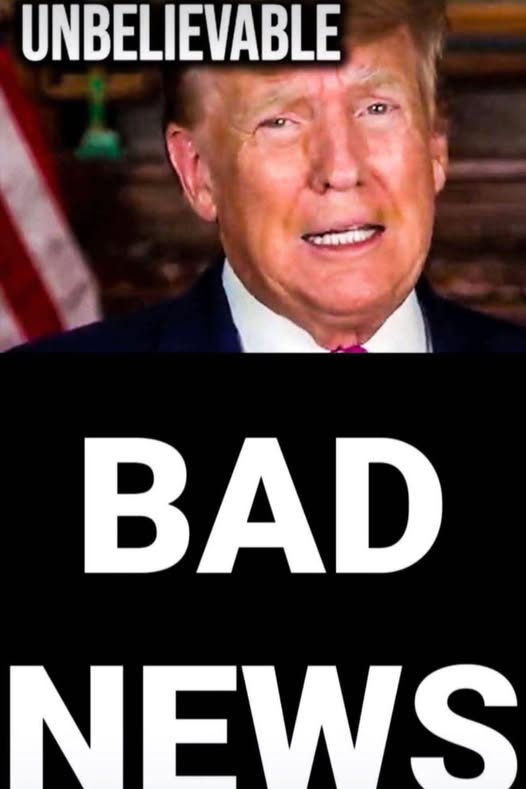
The news broke like a thunderclap, shattering the rhythms of a nation still grappling with division and political unrest. Four federal charges. A former president at the center of a storm that America had not yet fully processed. Across living rooms, offices, and social media feeds, people stopped mid-thought, mid-conversation, as the headlines unfolded. Prosecutors were clear: this was not chaos by accident, not the byproduct of political theater. According to the indictment, it was a plan—a calculated, deliberate conspiracy. The aim was nothing less than to manipulate, twist, and potentially subvert the very machinery of American democracy itself. As the news reverberated through the country, one question burned in nearly every mind: could the leader of the free world actually attempt to dismantle the system he had sworn to protect?
On that Thursday, the justice system crossed a threshold it had never crossed before. For the first time in American history, a former president faced charges for conspiring against the government he once led, raising profound legal and constitutional questions. The indictment details a series of alleged actions—efforts to defraud the United States, attempts to obstruct and impede the peaceful transfer of power, and violations of rights that the Constitution guarantees to every citizen. At the heart of the case lies a stark and unsettling claim: the attempt to overturn the 2020 election was not merely political posturing, not a show for supporters or media cameras. It was, prosecutors contend, a coordinated effort designed to sabotage the lawful processes that form the foundation of the republic.
The implications of such charges ripple far beyond the courtroom. For millions of Americans, they represent overdue accountability—an assertion that no one, no matter how powerful, stands above the law. For others, however, the indictment feels like a betrayal, an unforgivable attack on a champion, a figure who represents their values and grievances. Communities across the country polarize further as debates rage over intent, fairness, and the limits of executive authority. Watercooler conversations, social media threads, and political talk shows buzz with speculation: How did it come to this? What precedent does it set? And, ultimately, what will it mean for the future of the presidency itself?
As courts, not cable news, take over as the arena for resolution, the nation watches with bated breath. Lawyers comb through evidence, judges parse legal arguments, and the public waits—knowing that every ruling, every procedural decision, will carry significance beyond this single case. Even before a verdict, the indictment has left an indelible imprint on the national psyche, challenging Americans to reconsider assumptions about power, responsibility, and the fragility of the trust that underpins democracy.
Experts warn that the case will have long-lasting effects. Legal scholars debate the boundaries of presidential authority, historians note the unprecedented nature of the proceedings, and political strategists predict the way this trial could reshape elections, campaigns, and public discourse for decades. In households across the country, families argue over interpretation and consequence; in classrooms, students study the unfolding events as a cautionary tale of ambition clashing with accountability.
No matter the outcome, this case has already etched itself into the story of the American republic. It serves as both a test and a warning: a test of whether institutions can withstand the challenges posed by those who once held the highest office, and a warning that even the symbols of democracy are vulnerable to human ambition. Every argument presented, every decision rendered, and every ruling handed down will ripple through history, teaching lessons about the limits of power, the weight of responsibility, and the delicate bonds that hold a free society together.
In the end, the indictment is more than a legal document. It is a mirror, reflecting the tensions, hopes, fears, and divisions of a country still trying to define itself. The nation holds its collective breath, aware that the story unfolding is not just about one man or one election, but about the enduring challenge of preserving a democracy in the face of extraordinary ambition and the inescapable truth that in America, even the most powerful are not immune from the law.