Most people tend to ignore small changes in their skin—a patch of redness, slight swelling, or an irritated-looking spot. It is easy to assume it will fade on its own or that it is nothing more than a minor reaction. However, in some cases, what appears harmless can develop into something far more serious if it is not recognized early.
One condition that highlights this risk is erysipelas, a bacterial skin infection that affects the upper layers of the skin and can spread quickly if left untreated.
At first glance, it may resemble a simple rash or irritation, but its behavior is quite different. Unlike mild skin issues that develop gradually, erysipelas often appears suddenly—sometimes within hours—bringing noticeable changes that can escalate faster than expected.
The infection is typically caused by group A Streptococcus, the same type of bacteria responsible for illnesses such as strep throat. When it enters the body through even the smallest break in the skin, it can spread through the lymphatic system, triggering inflammation, swelling, and a strong immune response.
What makes this condition particularly concerning is how easily the early signs can be missed. A small cut, scratch, or even an insect bite can serve as an entry point, and many people may not even notice these minor injuries. By the time visible symptoms appear, the infection may already be progressing.
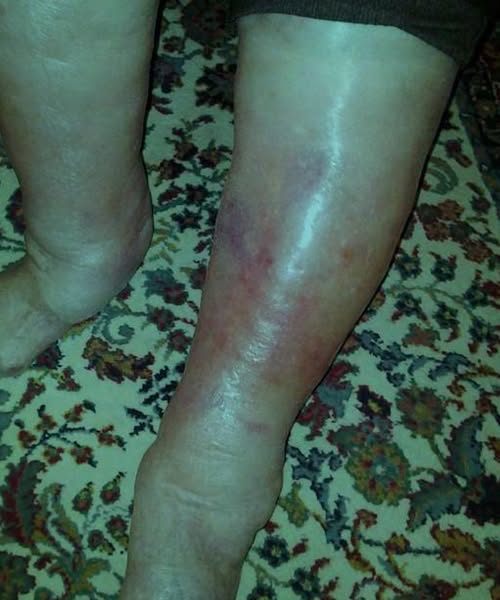
One of the most recognizable features of erysipelas is how the skin looks in the affected area. It often becomes bright red, swollen, and warm to the touch, with clearly defined edges that make it stand out from the surrounding skin. Some describe it as having a raised border, as though the infection is sharply outlined on the body.
It most commonly affects the lower legs, but it can also appear on the face, particularly around the cheeks and nose. In facial cases, the swelling can be more pronounced and may spread quickly, causing discomfort and concern within a short time.
Alongside the skin changes, there are often systemic symptoms that indicate the body is fighting an infection. Fever, chills, fatigue, and a general feeling of being unwell can develop rapidly. These signs are sometimes mistaken for a separate illness when they are actually linked to the skin infection.
The speed of progression is one of erysipelas’ defining characteristics. What may begin as a small patch of redness in the morning can become significantly larger and more painful by the end of the day. This rapid change is why early recognition is so important.
Understanding how the infection starts helps explain its speed. The bacteria enter through a break in the skin and travel through the lymphatic vessels, which are part of the body’s immune and fluid regulation system. As they spread, they trigger inflammation, leading to the visible redness and swelling.
Certain factors increase the risk of developing erysipelas. People with chronic skin conditions such as eczema or athlete’s foot may have more frequent breaks in the skin, making it easier for bacteria to enter. Those with conditions affecting circulation or lymphatic drainage, such as lymphedema, are also at higher risk.
Other risk factors include diabetes, a weakened immune system, and obesity. Each of these can reduce the body’s ability to fight infection or maintain healthy skin, creating conditions where bacteria can spread more easily.
People who have had erysipelas before are also more likely to experience it again. Recurring infections often suggest an underlying issue that has not been fully addressed, such as poor circulation or ongoing skin damage.
Diagnosis is usually straightforward for medical professionals because the condition has a distinctive appearance along with typical symptoms. In some cases, additional tests such as blood work may be done, especially if there is concern that the infection has spread.
Treatment generally involves antibiotics, which may be given orally or intravenously depending on severity. Pain relief and anti-inflammatory medications may also be used to reduce discomfort.
If the infection affects a limb, elevating the area can help reduce swelling, while rest and hydration support recovery. Most people begin to improve within a few days of starting treatment, but it is essential to complete the full course of antibiotics even if symptoms improve early.
Stopping treatment too soon can allow the bacteria to survive, increasing the risk of recurrence or complications.
And it is these complications that make early action so important.
If left untreated, erysipelas can spread to deeper layers of tissue, causing more extensive damage. In some cases, abscesses may form and require further medical treatment.
One of the most serious risks is the infection entering the bloodstream, leading to sepsis—a life-threatening condition that requires urgent medical care.
There is also the possibility of repeated infections, which can damage the lymphatic system over time and create a cycle that becomes increasingly difficult to manage.
Despite these risks, erysipelas is highly treatable when caught early. The key is recognizing that a sudden skin change—especially one accompanied by fever or other symptoms—should not be ignored.
Awareness plays a crucial role in prevention and early intervention. Knowing what to look for and understanding how quickly the condition can progress helps people seek treatment before complications develop.
Good basic skin care also helps reduce risk: keeping skin clean, protecting it from injury, and treating small wounds promptly can prevent bacteria from entering the body.
For people with underlying conditions or recurring infections, regular medical guidance can help manage risk factors and reduce future episodes.
What makes this condition especially important is not just its appearance, but the lesson it carries: something that seems minor at first can become a serious health issue if ignored.
In a world where small symptoms are often dismissed, it is a reminder that the body sends signals for a reason. Paying attention to those signals and acting early can make a significant difference.
Erysipelas may begin as a simple skin change, but without timely treatment, its impact can extend far beyond the surface.
Recognizing the signs, responding quickly, and understanding the importance of early care can turn a potentially dangerous condition into one that is easily managed and resolved.
And that is the difference between something that quietly passes—and something that becomes far more serious than it first appeared.