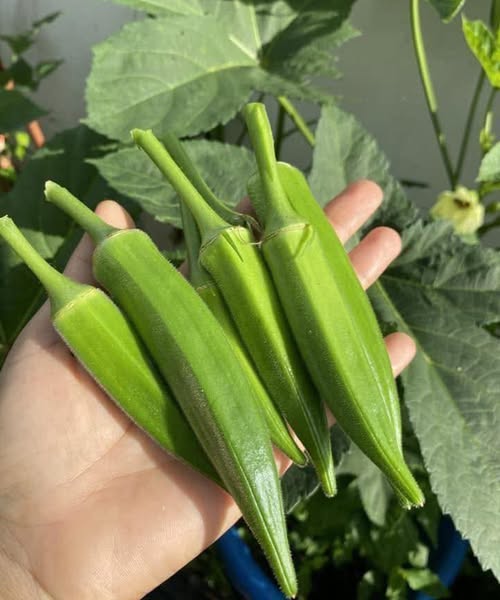
The humble okra pod, often overlooked in kitchens across the globe, is one of the most unassuming yet nutritionally potent vegetables available. Its distinctive ribbed exterior and signature mucilage—sometimes derided by the uninitiated as “slime”—belie a complex biochemical composition that offers a host of benefits for human health. Traditionally relegated to Southern stews, gumbo, and as a simple thickening agent, okra has long occupied a quiet niche in the culinary world. Many home cooks and professional chefs alike have treated it as a supporting player, rather than a star ingredient. Yet, in recent years, a growing body of nutritional science has revealed that okra is far more than an ancillary component in meals: it is a vegetable capable of supporting digestion, metabolic health, cardiovascular wellness, and immune function with remarkable efficiency. Researchers, dietitians, and medical professionals are increasingly pointing to okra as a cornerstone of systemic health, praising its combination of soluble fiber, antioxidants, vitamins, and bioactive compounds that work synergistically to maintain and improve human physiology.1
One of the most fascinating aspects of okra lies in its mucilage, the naturally occurring gelatinous substance that lines its interior. Often described as “slimy” by those unfamiliar with its properties, mucilage is actually one of okra’s most significant nutritional assets.2 It acts as a gentle, natural lubricant for the gastrointestinal tract, coating the intestines and facilitating smoother transit of digested material. Unlike many pharmaceutical laxatives or over-the-counter remedies, which often act with brute force—causing cramps, urgency, or dependency—the mucilage of okra encourages a rhythmic, balanced, and soothing digestive process. For individuals suffering from chronic constipation, irritable bowel syndrome, or other gastrointestinal disorders, this property can be transformative. Steaming or lightly blanching okra preserves its mucilage, maximizing its protective effects on the delicate gut lining while also feeding the microbiome with soluble fibers that promote the growth of beneficial bacterial colonies. Over time, regular inclusion of okra in meals can convert a once volatile digestive system into one that operates with predictable ease and comfort, offering a profound, cumulative effect on overall well-being.
Beyond its role in digestive health, okra’s impact on metabolic function is both substantial and clinically relevant.3 Its high concentration of soluble fiber slows the absorption of sugars into the bloodstream, acting as a natural modulator for postprandial glucose spikes.4 In today’s world, where diets are dominated by refined carbohydrates and processed foods, post-meal sugar surges are a common phenomenon, often leading to insulin resistance, chronic fatigue, and a cascade of inflammatory responses throughout the body. Okra provides a stabilizing countermeasure, ensuring that glucose enters the bloodstream gradually, thereby sustaining energy levels, reducing sugar cravings, and improving long-term metabolic resilience.5 While it should not be considered a substitute for pharmacological treatment in cases of advanced diabetes, the vegetable is gaining recognition as a vital “functional food” for those seeking to manage blood sugar levels naturally.6 In pre-diabetic individuals or those aiming to maintain stable glucose control, regular consumption of okra can significantly improve glycemic profiles and reduce the long-term risk of insulin-related complications.6+3
The cardiovascular benefits of okra are equally compelling.7 Rich in polyphenols, flavonoids, and other antioxidants, okra acts as a formidable shield against oxidative stress.8 These compounds neutralize free radicals—highly reactive molecules that cause cellular damage, accelerate aging, and contribute to cardiovascular disease.9 By protecting the endothelium, the delicate lining of arteries and the heart, okra helps maintain vessel elasticity, regulate blood pressure, and mitigate the formation of arterial plaque.10 Furthermore, its soluble fiber has a dual role: it binds to bile acids and excess cholesterol within the digestive tract, promoting their excretion and reducing the body’s overall cholesterol load.11 This combination of antioxidant activity and lipid management makes okra an invaluable ally in heart health, complementing other lifestyle interventions such as exercise and a balanced diet. When incorporated into a heart-conscious meal plan, okra can contribute to long-term cardiovascular resilience, reducing the incidence of both atherosclerosis and age-related vascular dysfunction.+4
For older adults, okra’s nutritional profile supports not only cardiovascular and metabolic health but also bone integrity and immune defense.12 As a rich source of Vitamin K, okra plays a critical role in calcium utilization and bone mineralization.13 Inadequate Vitamin K intake is associated with brittle bones, increased fracture risk, and diminished skeletal resilience. Folate (Vitamin B9) further contributes to cellular repair and neurological function, while Vitamin C supports immune defenses and collagen formation. This blend of nutrients ensures that seniors maintain mobility, strength, and immune competence well into their later years, emphasizing okra’s role as a functional food that nurtures both structural and systemic resilience.+1
Culinary versatility further elevates okra beyond its nutritional benefits. This adaptable vegetable thrives in diverse climates, making it widely available and economically accessible.14 Culinary techniques can transform its texture and flavor, broadening its appeal to a variety of palates. Roasting okra at high temperatures with olive oil and sea salt creates a crispy, savory snack comparable to a potato chip, appealing to both children and adults.15 In global cuisines, it can be sliced thinly for stir-fries, simmered in richly spiced curries, or consumed raw in salads for a fresh, crunchy bite. Its mild, slightly nutty flavor acts as a canvas for herbs, spices, and sauces, making it a “chameleon” ingredient capable of harmonizing with diverse culinary traditions. Whether incorporated into traditional Southern dishes, Asian stir-fries, or Mediterranean-inspired recipes, okra’s flavor adapts while maintaining its nutritional integrity.+1
Despite its many advantages, a holistic approach to okra consumption requires attention to potential contraindications. Okra contains naturally occurring oxalates, compounds that in susceptible individuals can contribute to kidney stone formation, particularly calcium-oxalate stones.16 Those with a history of renal complications are advised to monitor intake and consult healthcare providers regarding portion sizes. Additionally, the high Vitamin K content, though beneficial for bone and cardiovascular health, can interfere with anticoagulant medications such as warfarin. Patients on these medications must maintain a consistent intake of Vitamin K and consult physicians before altering dietary patterns dramatically. Understanding these nuances ensures that okra provides maximal benefit while minimizing potential risk.
The broader story of okra is a compelling illustration of how simple, humble foods can exert profound influence on human health. It is a vegetable that supports wellness from the inside out, addressing digestion, blood sugar regulation, heart health, and immunity with quiet, consistent efficacy.17 Integrating okra into a balanced diet cultivates a foundation for resilience that is both sustainable and practical. It is a form of nutrition that improves with habitual consumption, as the body gradually absorbs the dense array of nutrients and bioactive compounds. In an era dominated by flashy superfoods and expensive supplements, the act of incorporating okra into meals demonstrates the enduring power of natural, whole foods. It exemplifies a return to foundational nutrition, where the combination of taste, versatility, and physiological benefit coalesce into a reliable path to wellness.
Moreover, emerging research suggests that okra’s benefits may extend into anti-inflammatory and cognitive domains. Bioactive flavonoids and polyphenolic compounds have shown promise in reducing systemic inflammation, which is implicated in conditions ranging from arthritis to metabolic syndrome. Similarly, antioxidant activity in okra may protect neurons from oxidative stress, supporting memory and cognitive resilience over time.18 Although these areas remain under active investigation, preliminary studies reinforce the notion that okra is not merely a traditional side dish but a multi-dimensional, functional food with both immediate and long-term benefits.
Social and cultural factors also underscore the value of okra in modern diets. In communities where processed, calorie-dense foods dominate, incorporating nutrient-rich vegetables such as okra can significantly improve dietary quality and public health outcomes. Its affordability and ease of preparation allow families to access high-level nutrition without incurring substantial costs. The vegetable’s rich history in African, Middle Eastern, and Southern American culinary traditions also offers a cultural bridge, connecting contemporary nutrition with ancestral knowledge of plant-based wellness. By understanding and embracing these culinary and cultural dimensions, individuals can integrate okra into their lives in ways that are both meaningful and health-promoting.
In conclusion, okra represents a remarkable convergence of tradition, science, and practical nutrition. Its contributions to digestive comfort, metabolic stability, cardiovascular protection, bone and immune health, and potential anti-inflammatory and cognitive support establish it as a cornerstone of a health-conscious diet. Its accessibility, affordability, and culinary versatility ensure that these benefits are available to a broad audience, transcending socioeconomic boundaries. By appreciating okra not only for its unique texture and subtle flavor but also for its profound physiological impact, we reaffirm a principle that modern nutrition often overlooks: true health lies in the humble, unassuming, and consistently nourishing foods that support life at a cellular level. In embracing okra, we embrace a pathway to wellness that is both sustainable and deeply rewarding, a testament to the enduring power of plant-based nutrition.