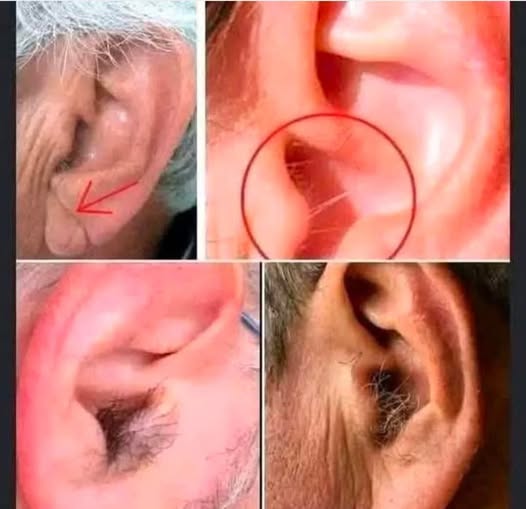
Ear hair doesn’t just “appear” one morning as if by magic—it ambushes you. You don’t wake up thinking, Today I will discover a wiry intruder in my ear. One day, while washing your face or checking your reflection, you catch a glimpse of it, defiant and unapologetic, jutting out in a way that feels aggressive, even disrespectful to your own sense of bodily control. There’s an immediate internal reaction: shock, embarrassment, maybe a little panic. You wonder, When did my body start conspiring against me? When did I become this person with hair in impossible places? But behind each lone strand lies a story far bigger than vanity—a story written in hormones, genetics, and the relentless passage of time.
Ear hair growth is fundamentally tied to changing hormones, particularly testosterone and related androgens. These chemicals, which govern so much of bodily development and maintenance, subtly shift as we age. Dormant follicles, which have been silent for decades, suddenly wake up. Some men notice only a few fine strands along the outer ear or near the canal, almost polite in their emergence. Others face thick, stubborn hairs that seem to return faster than they can be trimmed, as if in rebellion. Women can experience ear hair growth too, especially in post-menopausal years, though the pattern and density usually differ. Genetics decide the particulars: who ends up with barely noticeable fuzz and who confronts thick, wiry strands that demand regular attention.
Managing ear hair is less about “fighting” your body and more about collaborating with it safely. Small grooming scissors with rounded tips are ideal, letting you trim visible strands without the risk of cutting delicate skin. Electric trimmers designed specifically for ear hair offer precision and safety, minimizing the risk of accidental nicks or irritation. Tweezing deep inside the ear canal is strongly discouraged: it can damage sensitive tissue, provoke infections, or even affect hearing if done carelessly. Waxing is another option for those willing to tolerate temporary discomfort, but it must be done with caution to avoid burns or trauma.
For some men, excessive or rapidly accelerating ear hair can be a sign of underlying hormonal changes. Sudden shifts, pain, or unusual patterns should prompt a consultation with a healthcare provider or dermatologist. They can determine if the growth is purely genetic and age-related, or if it signals an imbalance that warrants attention. The point is clear: ear hair isn’t a moral failing, a reflection of laziness, or a statement on hygiene—it’s biology doing what it does best, sometimes inconveniently.
There’s also a psychological component worth considering. Discovering your first rogue ear hair can trigger disproportionate reactions because it challenges your sense of self-image. In a culture obsessed with youth and control over the body, any evidence of aging feels like a betrayal. But shifting perspective can help: seeing ear hair as a minor, manageable natural change reframes it from a source of shame to a minor grooming task, much like trimming nose hair or clipping fingernails. It’s an opportunity to practice self-care, patience, and acceptance of the body’s inevitable evolution.
Finally, there’s a subtle empowerment in mastery. Knowing how to trim ear hair safely, incorporating it into your routine, and doing so confidently can turn what once felt like a humiliating surprise into a moment of agency. Regular care prevents strands from becoming too noticeable, while also teaching attention to small, easy-to-overlook details. Over time, these tiny rituals contribute to overall confidence: you’re not helpless in the face of your body’s quirks, and you can maintain dignity even as biology marches on.
In the end, ear hair is a quiet reminder of life’s inexorable changes. It’s inconvenient, occasionally frustrating, but ultimately manageable. By understanding the hormonal, genetic, and safety dimensions, you reclaim control over something that initially felt like an ambush. You can stay comfortable, confident, and composed—proof that even the most unwelcome biological surprises don’t have to define you.