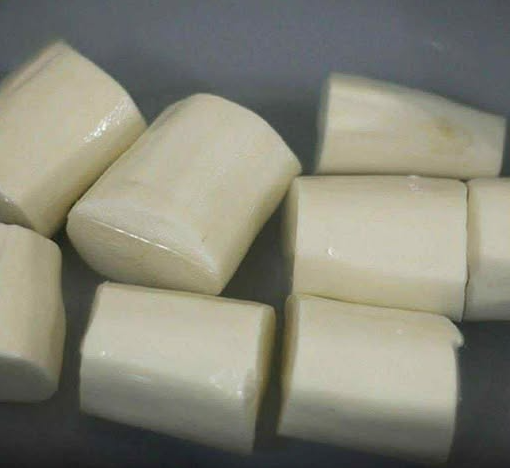
They look harmless. They sit quietly in your kitchen—on your plates, inside your cabinets, tucked into your children’s lunch boxes as if they were the safest, most ordinary parts of daily life. They are foods you buy without hesitation, ingredients you grew up with, things you’ve eaten hundreds of times. And yet, hidden inside some of these familiar staples are toxins powerful enough to shut down organs, scramble your nervous system, paralyze muscles, or slowly poison you without you even realizing it. What feels routine—peeling a potato, snacking on nuts, cooking beans—can transform, with a single careless mistake, into a sudden medical crisis. One food left unsoaked, one dish left half-raw, one seed crushed between teeth, and a comforting meal becomes a threat. Cassava…
Many of the foods we trust today are only safe because of traditional preparation methods our ancestors discovered through centuries of trial and error—methods we rarely question because they seem so normal. Cassava, for example, is a lifesaving staple in many countries, but only when handled correctly. Beneath its starchy exterior lies cyanogenic compounds that can release cyanide if the root is eaten raw or undercooked. Entire communities have long followed strict soaking, drying, fermenting, and cooking techniques not out of superstition, but out of survival. The same applies to those “green-tinged” potatoes people often try to salvage by cutting off the bad spots. That green isn’t harmless—it’s a warning sign of solanine, a toxin that can cause vomiting, hallucinations, and in severe cases, respiratory failure. Throwing them away isn’t wasteful; it’s necessary.
Some dangers hide behind the sweetness of fruit. Starfruit, bright and harmless-looking, can be lethal for people with kidney disease. Just one small glass of starfruit juice can cause neurotoxicity—hiccups that won’t stop, muscle rigidity, seizures, disorientation, and in the worst cases, death. The fruit’s toxins build up in the blood when kidneys cannot filter them out, turning a refreshing tropical drink into an invisible threat. Even everyday seeds carry risks we rarely think about. Cherry pits, apple seeds, and bitter almonds all contain amygdalin, a compound that produces cyanide when crushed and digested. A handful won’t kill a healthy adult, but large amounts—or concentrated extracts—can be genuinely dangerous. In nature, “natural” does not always mean “safe.”
Even foods we consider treats or delicacies hold risks that demand respect. Take kidney beans: raw or undercooked, they contain phytohemagglutinin, a toxin strong enough to cause violent vomiting and diarrhea within hours. Boiling them properly destroys the toxin, yet many people don’t know that slow cookers—with their lower temperatures—can actually make kidney beans more dangerous instead of safer. Cashews, sold in stores as “raw,” are never truly raw. Real raw cashews contain urushiol—the same chemical found in poison ivy—which can blister and burn the skin. Mango skin and sap carry a related compound that can cause painful rashes in sensitive individuals, leaving people confused about why a fruit caused an allergic reaction unlike anything they’d experienced before.
Even spices and luxury foods carry hidden shadows. Nutmeg, warm and fragrant in holiday desserts, becomes a hallucinogen and neurotoxin when consumed in large quantities. There are people who have ended up in emergency rooms after mistaking nutmeg intoxication for food poisoning or a panic attack. And then there is fugu, the infamous pufferfish of Japan—one of the most dangerous delicacies in the world. Inside its organs lies tetrodotoxin, a poison so potent that even a grain-like amount can shut down the nervous system and cause respiratory failure. Only licensed experts are allowed to prepare it, because a single mistake—a cut too deep, a contaminated knife—can kill a diner within hours.
What all these foods teach us is unsettling yet deeply empowering: danger in the kitchen doesn’t come only from fires, knives, or spoiled meat. Sometimes it hides inside the ingredients themselves, disguised as everyday staples. But the flip side is just as important. Knowledge—simple, practical, passed down through generations—is what makes these foods safe. Respect the recipe. Follow the cooking traditions. Understand the ingredient. Learn what should be peeled, boiled, fermented, soaked, or avoided when certain health conditions are present.
When you do that, nature’s threats transform from hazards into nourishment. The foods that once seemed dangerous become delicious, safe, and rich with culture. And you begin to see your kitchen not as a place of silent risks but as a place of power—where understanding turns nature’s danger into nature’s dinner.