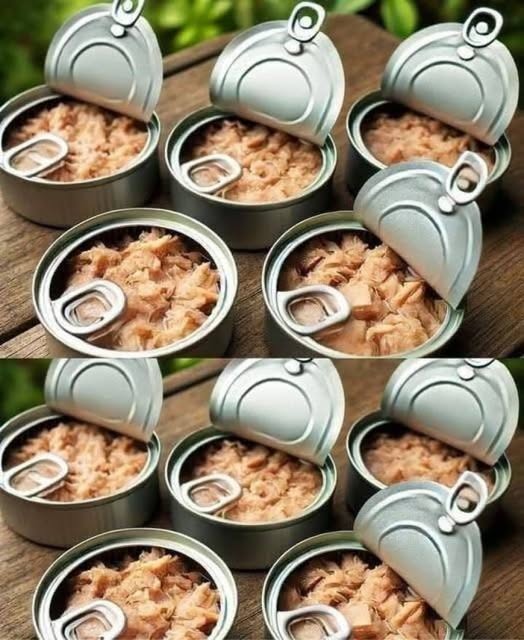
Most people toss tuna cans into the trash without a second thought. Yet these small, unassuming metal containers can have a surprisingly valuable second life. Repurposing everyday items like tuna cans is not only an eco-friendly choice, but also a fun and creative way to enhance your living space. With a touch of imagination, what once seemed like a disposable object can become both functional and decorative, proving that sustainability doesn’t have to be complicated, expensive, or time-consuming. Small efforts like these can also inspire mindfulness about the resources we use every day, reminding us that even minor changes can make a difference.
One of the most popular ways to reuse tuna cans is by turning them into simple but charming home décor pieces. After washing and drying the cans thoroughly, they can easily be converted into small candle holders. Simply pour melted wax into the can and add a wick. From there, the exterior can be customized in countless ways: painted in bold colors, wrapped with twine or ribbon, adorned with fabric, or even decorated with stickers or decoupage. Each piece can reflect your personal style while bringing warmth and coziness to a space. Placing several candle-filled tuna cans along a dining table, on a windowsill, or arranged on a shelf can create a rustic or eclectic vibe. Beyond candles, the same cans can be repurposed as miniature planters. Adding a few drainage holes at the bottom, filling them with potting soil, and planting herbs like basil, mint, or thyme, or small succulents, can instantly add greenery to kitchens, balconies, patios, or even office desks. Not only do these tiny plants brighten spaces, but they can also provide fresh ingredients for cooking and a subtle boost to indoor air quality.
In addition to decoration, tuna cans are surprisingly versatile for organization and storage. Their sturdy metal construction makes them excellent containers for a variety of household items, from pens, brushes, and pencils to small craft supplies, sewing materials, or kitchen utensils. By grouping or stacking multiple cans, or even mounting them onto a wooden board, you can create compact and visually appealing storage solutions that reduce clutter and maximize space. In home offices, workshops, art studios, or children’s craft areas, these cans can be both practical and aesthetically pleasing. With simple labels, paint, or decorative tape, the cans can look intentional and stylish, rather than improvised. Even arranging them in patterns, like rows of different colors or textures, can add a fun design element to functional storage.
Tuna cans also serve as excellent tools for family projects and creative activities. They are particularly great for arts and crafts with children. Kids can decorate them with paint, stickers, or washi tape, transforming them into coin banks, mini toy containers, or imaginative sculptures. For older kids and adults, cans can be combined to make small modular organizers, desk caddies, or DIY lighting fixtures. Beyond crafting, tuna cans can have practical pet applications. Once thoroughly cleaned and smoothed to remove sharp edges, they can serve as temporary food or water dishes for small pets or outdoor animals, offering a sustainable alternative to plastic bowls.
Ultimately, reusing tuna cans is more than just a clever way to reduce household waste—it is an opportunity to rethink how we interact with everyday objects. It encourages creativity, mindfulness, and a sense of resourcefulness that can extend into other areas of life. Whether used for home décor, gardening, organization, crafting, or even caring for pets, these small cans can be transformed into meaningful, functional tools that enrich daily life. Cultivating habits like these helps reinforce the idea that sustainability often starts at home, with the simplest choices, demonstrating that even ordinary items can have extraordinary potential when given a second chance. By embracing these small, practical changes, we can reduce waste, foster creativity, and turn mundane objects into sources of joy, utility, and inspiration.