Over the Labor Day weekend, the city of Chicago was rocked by a surge of gun violence that left the community reeling. Police reported that at least 54 people were shot across various neighborhoods, with seven of these shootings resulting in fatalities. The victims were a mix of men and women, including two women, three men, and two additional victims whose identities have not yet been released pending family notifications. Authorities noted that most of these incidents appeared to be unrelated to one another, highlighting the broader problem of random and pervasive gun violence in the city rather than a single, coordinated outbreak. Despite the seriousness of these events, few arrests have been made so far, reflecting both the challenges faced by law enforcement in investigating such crimes and the community dynamics that sometimes hinder the reporting and resolution of violent incidents.
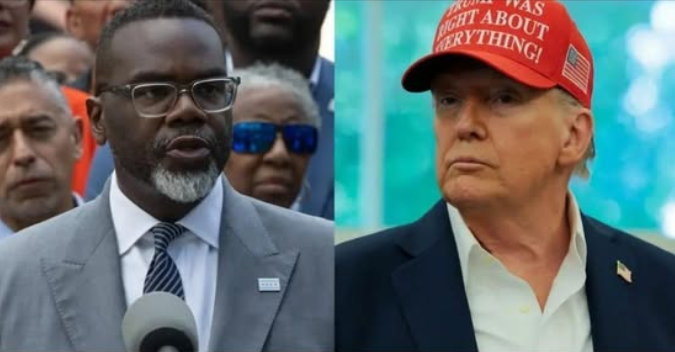
This recent spike in violence comes amid ongoing debates about the role of federal intervention in Chicago’s public safety. Mayor Brandon Johnson, a Democrat, responded swiftly to the weekend shootings by signing an executive order that explicitly bars Chicago police from cooperating with federal authorities in certain enforcement actions. This decision is part of the mayor’s broader stance on resisting what he sees as federal overreach into local law enforcement matters. Johnson has emphasized that the city intends to fight any potential federal deployment of troops or agents in court, framing the issue as one of local autonomy and community-based policing. In his view, Chicago’s strategies to address crime should be led by local officials who understand the city’s neighborhoods, social dynamics, and public safety needs, rather than by outsiders responding to political pressure.
Meanwhile, the White House, under former President Donald Trump, sharply criticized Mayor Johnson’s decision. Officials accused city leaders, particularly Democrats, of politicizing crime and using public safety as a partisan issue, rather than implementing policies that could directly reduce violence. The tension between federal and local authorities has been a recurring theme in Chicago, with previous administrations occasionally sending federal agents to assist in tackling gun crimes, only to face pushback from city officials who argue that such actions undermine local control and community trust. Trump has specifically called for deploying troops or federal agents to support law enforcement, framing it as a necessary measure to restore order and protect residents. This stance has further inflamed political divisions, turning Chicago’s gun violence problem into a high-profile battleground in national politics.
The scale of the violence over Labor Day weekend also reflects a broader trend in Chicago’s homicide and shooting statistics. As of this year, the city has already recorded 272 homicides, continuing a persistent pattern of gun-related fatalities that has plagued Chicago for decades. These figures underscore the complexity of the city’s public safety crisis, which involves a mix of socio-economic disparities, gang activity, illegal firearms circulation, and systemic challenges within law enforcement and community relations. Local activists have long argued that addressing the root causes of violence—such as poverty, lack of educational and employment opportunities, and access to mental health services—is just as important as enforcement measures.
In neighborhoods directly affected by the weekend shootings, residents expressed both grief and frustration. Community members described a sense of vulnerability and anxiety, particularly as random shootings created a perception that violence could strike anywhere, at any time. For many, the combination of high-profile political disputes over federal involvement and the continuing pattern of gunfire has compounded feelings of neglect and uncertainty. Local organizations and grassroots initiatives have called for increased support for community-led interventions, youth programs, and conflict mediation efforts, emphasizing that public safety cannot rely solely on policing or federal presence.
Chicago’s political landscape adds another layer of complexity to the discussion. Mayor Johnson, who campaigned on progressive policies and reforms to policing, is navigating a delicate balance between protecting civil liberties, responding to public outcry over crime, and resisting what he perceives as federal encroachment. Critics, however, argue that his stance may hinder effective law enforcement cooperation and delay interventions that could prevent further shootings. The ongoing dispute has become a focal point for national media, framing Chicago not just as a city struggling with violence, but as a microcosm of larger debates over policing, federal authority, and partisan politics in America.
As investigations into the Labor Day shootings continue, law enforcement officials are urging residents to remain vigilant and report any information that could aid in apprehending suspects. Meanwhile, public safety experts stress that long-term solutions will require a combination of policing, community engagement, social services, and policy reforms aimed at reducing gun accessibility and addressing the root causes of violence. With both local leaders and federal authorities watching closely, Chicago remains at a critical crossroads, struggling to ensure safety for its residents while navigating political and legal battles that could shape the city’s approach to crime for years to come.
In summary, the Labor Day weekend violence in Chicago—54 people shot, seven fatally—serves as a stark reminder of the city’s ongoing challenges with gun crime. Mayor Brandon Johnson’s executive order barring cooperation with federal authorities, and his vow to challenge federal involvement in court, highlight the tension between local autonomy and national intervention. With 272 homicides already reported this year and political debates intensifying, the city faces both immediate and systemic pressures to protect its residents and rebuild trust in public safety efforts. The weekend’s tragedies underscore the urgent need for multifaceted solutions that go beyond politics and focus on the well-being of communities throughout Chicago.