There is a unique, tactile pleasure to a slow morning: the rising steam from a fresh cup of coffee, the crunch of buttered sourdough, and the anticipation of a perfectly soft-boiled egg. The ideal egg has a firm white and a golden, runny yolk—a miniature culinary treasure waiting to be revealed. Yet, for many, this ritual is spoiled by the awkward mechanics of opening the egg. We’ve all struggled, using a teaspoon like a hammer or a butter knife like a cleaver, only to end up with a cracked shell, shards of calcium in the food, and a yolk that spills prematurely.
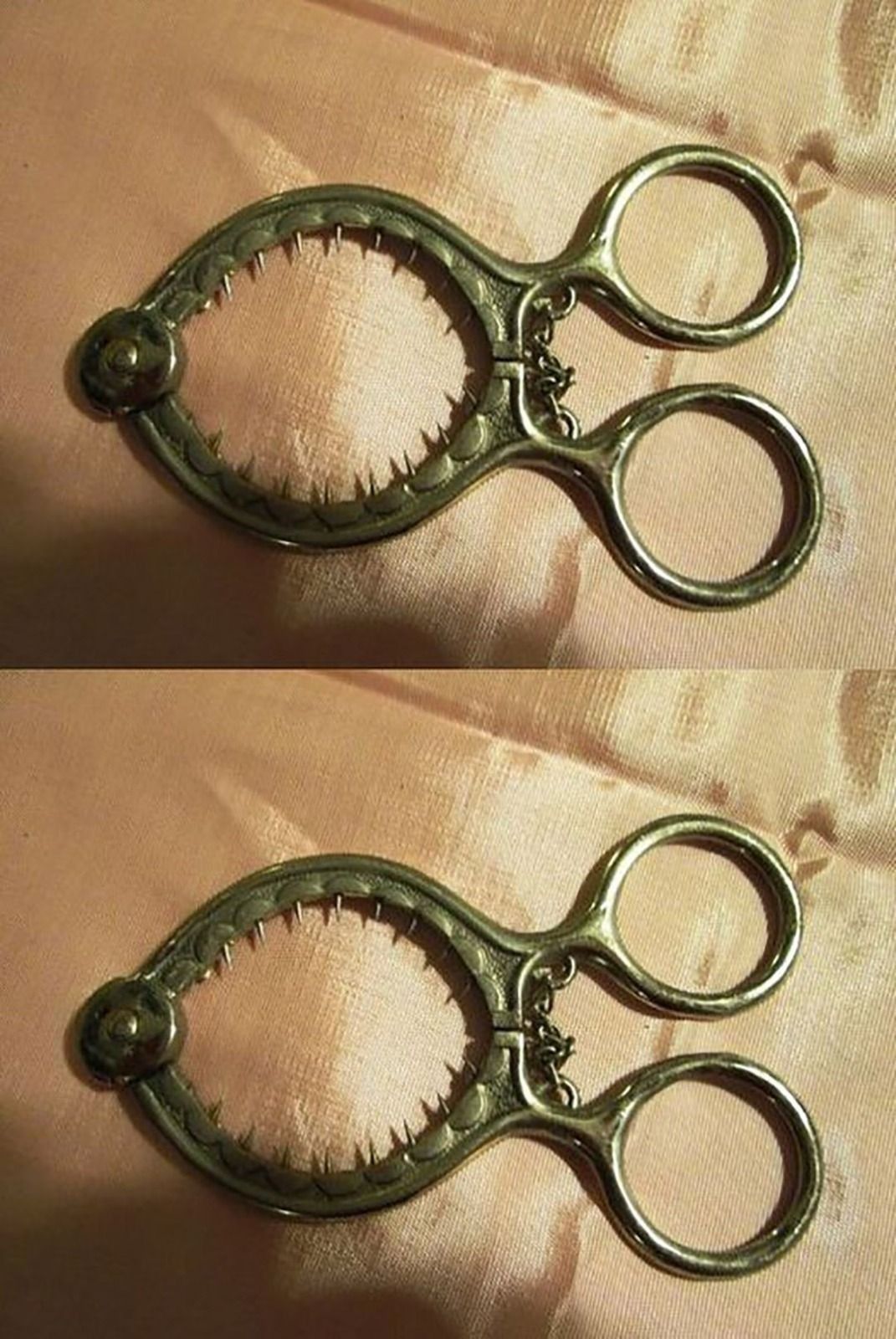
Hidden in the drawers of gourmet kitchens—or among the cabinets of anyone who loves precision at breakfast—is a small, curious tool. To the untrained eye, it might look like a vintage cigar cutter or a jeweler’s implement. Compact and usually made of brushed stainless steel, it carries a reassuring weight, hinting at its mechanical purpose. This is the egg topper, sometimes called an egg cracker or “clacker,” the secret weapon for anyone who believes that enjoying breakfast can be an art.
Its design is a triumph of minimalist engineering. It consists of a bell-shaped cap attached to a central rod, with a weighted plunger or spring-loaded handle on top. At first glance, its function is puzzling; it has no serrated edges or sharp blades. The brilliance of the tool lies not in cutting, but in delivering a precise vibration.
To use it, place a soft-boiled egg in a cup. Lower the bell over the apex of the egg so it fits snugly. Pull the weighted handle upward to create tension, then release. The weight strikes the bell, sending a shockwave through the shell. This controlled vibration cracks the eggshell perfectly along a circle, leaving the white and yolk intact.
The result is a clean, precise fracture. A gentle lift of the cap—or a slight assist from a knife—removes the top in one piece. The yolk remains whole, ready for toast soldiers or other accompaniments. It transforms a messy chore into a graceful, satisfying moment, eliminating the need to pick out tiny shell fragments or deal with jagged edges.
In professional kitchens, presentation is everything, and the egg topper is a staple. It allows chefs to serve eggs as vessels for mousse, caviar, or classic soft-boiled eggs, achieving a consistency that manual cracking cannot match. Yet, its true charm is how it brings that precision into the home. It is simple to use—just a flick of the wrist—yet elevates an ordinary breakfast into something elegant.
Beyond practicality, the egg topper carries a retro charm. In a world of plastic gadgets and over-engineered appliances, this manual metal tool feels deliberate and timeless. It sparks conversation at brunch and delights both children and adults when the perfect yolk is revealed. The satisfying “click” of the mechanism adds to the experience.
For minimalists or fans of compact kitchens, the egg topper is ideal. Unlike a bulky food processor or egg cooker, it slides into a drawer easily, taking up almost no space. It delivers maximum effect with minimal footprint—a small tool for a refined experience.
Soft-boiled eggs have long symbolized domestic elegance, appearing in literature and film as a sign of order and refinement. Using an egg topper continues this tradition, inviting a slower, more appreciative approach to food. It turns a simple habit into a refined ritual.
As the world shifts toward slow living and valuing experience over possessions, the egg topper proves that small tools can solve small frustrations and elevate daily life. Whether you love three-minute eggs or weekend brunches, this humble gadget restores dignity to the egg and sophistication to your mornings.