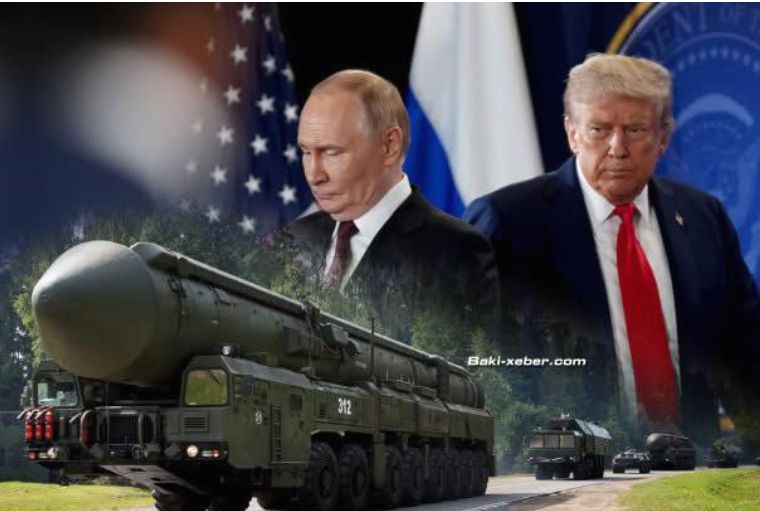
On March 1, 2026, the structural integrity of the global order faced its most severe test in decades. A development that sent shockwaves through the corridors of the United Nations and the world’s major financial hubs was the formal formation of a military alliance by a coalition of thirteen nations. This “defensive coordination effort,” as diplomats cautiously call it, is not merely a bureaucratic reshuffle; it is a direct response to a planet increasingly resembling a powder keg. With images of long-range missile transport systems and high-level command centers circulating across global news feeds, the message is clear: the era of fragmented defense is over, and the era of collective, high-stakes deterrence has begun.
This coalition emerges at a time when the geopolitical landscape is defined by what many analysts call “The Great Fragmentation.” Following the major U.S.-Israeli strikes against Iranian leadership and nuclear sites on February 28, the Middle East descended into open, multi-front confrontation. Iran’s retaliatory attacks—targeting infrastructure in Saudi Arabia, the UAE, Qatar, Bahrain, Kuwait, and Jordan—shattered what was known as the “nightmare scenario” for the Gulf Cooperation Council (GCC). For the first time in modern history, an entire region of sovereign states was attacked by a single actor within a 24-hour window. This unprecedented aggression became the primary catalyst for the formation of this new thirteen-nation alliance, forcing previously neutral countries into a stance of absolute resolve.
The Anatomy of the Alliance: Deterrence Through Unity
The thirteen participating nations represent a broad spectrum of global power, yet they are united by a single, urgent objective: the preservation of sovereignty against unilateral aggression. While the formal list of members is being finalized in emergency sessions, the core participants include the six GCC nations alongside key Western and European allies. The inclusion of non-regional powers indicates that this is no longer a localized dispute over the Strait of Hormuz, but a global effort to protect energy flows and the integrity of international borders.
The “symbolism of iron” has been central to the coalition’s unveiling. Images circulating of advanced missile platforms—such as THAAD and Patriot PAC-3 MSE—are more than just displays of hardware; they are a technical statement. These systems are designed to form a “zero-gap” defensive umbrella capable of real-time communication across borders. In the logic of 2026, where kamikaze drone swarms and hypersonic missiles are the primary threats, a nation’s defense is only as strong as its neighbor’s sensors. This coalition is the first to operationalize a truly integrated air-and-missile defense architecture at this scale.
Economic Ripple Effects: A Fragile World Reacts
The announcement of the thirteen-nation bloc immediately shook global markets. Oil prices, already volatile after the suspension of shipments through the Strait of Hormuz, surged 12% as investors assessed the potential for a prolonged regional conflict. For the first time in years, the “geopolitical risk premium” is not a footnote in a financial report—it is the primary driver of market sentiment.
In capitals from Tokyo to London, governments convened emergency sessions to address secondary effects of this realignment. The threat of wider escalation triggered a frantic search for supply chain stability. As one security analyst noted, “This coalition signals that we have moved from an era of economic globalization to an era of national security prioritization.” Resources needed to maintain the alliance—from missile-guidance semiconductors to critical minerals for batteries—are now treated as strategic assets, resulting in new trade barriers and the solidification of economic blocs.
Redefining Diplomacy: The “Coalition of the Capable”
Traditional international diplomacy frameworks are being bypassed by these faster, more “capable” coalitions. The United Nations reportedly struggles to maintain coherent communication between the new alliance and the opposing “Axis of Resistance.” With the death of Supreme Leader Ali Khamenei and the ensuing political vacuum in Tehran, the thirteen nations are negotiating with a fractured leadership, raising the risk of miscalculations.
World leaders have urged calm, yet the presence of senior military figures alongside political heads suggests that “calm” is maintained through the threat of overwhelming force. The coalition’s rhetoric has shifted from “de-escalation” to “enforced stability.” By grouping thirteen nations under a single coordination cell, the alliance aims to prevent any aggressor from picking off smaller states one by one. It is a collective security pact reminiscent of NATO’s early days but operating with the speed and technological force demanded by a 2026 battlefield.
The Human Stakes: A Global Vigil
For citizens of the thirteen nations and the world at large, the formation of this coalition is both comforting and deeply unsettling. In Gulf states, civil defense measures—including shelter-in-place alerts and school closures—have become part of daily life. The sight of “missile defense batteries” in city parks and coastal piers sharply contrasts with the luxury and stability that characterized the region just a few years ago.
As of early March, the “fog of war” remains dense. While the coalition emphasizes that its goals are purely defensive, the scale of military mobilization conveys another story. Iran’s reported tenth wave of attacks on March 2—targeting government buildings in Tel Aviv and energy facilities in Qatar—only strengthened the coalition’s resolve. The question remains: is this thirteen-nation alliance the final barrier preventing global conflict, or the framework for a wider, more devastating war?
Conclusion: A Turning Point in History
The events of March 1–2, 2026, will likely be recorded as a fundamental turning point in the global balance of power. This thirteen-nation coalition marks the end of an era when regional security was a local concern. In the modern age, a drone launch in the desert can trigger a market crash in New York and a policy shift in Paris within minutes.
As the alliance begins its first formal “defensive coordination” exercises, the world watches with bated breath. The hope is that the coalition’s sheer scale—the combined military and economic weight of thirteen sovereign nations—will compel a return to the negotiating table. Yet in an environment where deterrence has been replaced by direct military dominance, the margin for error is razor-thin. Whether this alliance ushers in a more stable multipolar world or the beginning of a truly global confrontation depends entirely on the high-level decisions made in the war rooms of these thirteen nations over the coming days.