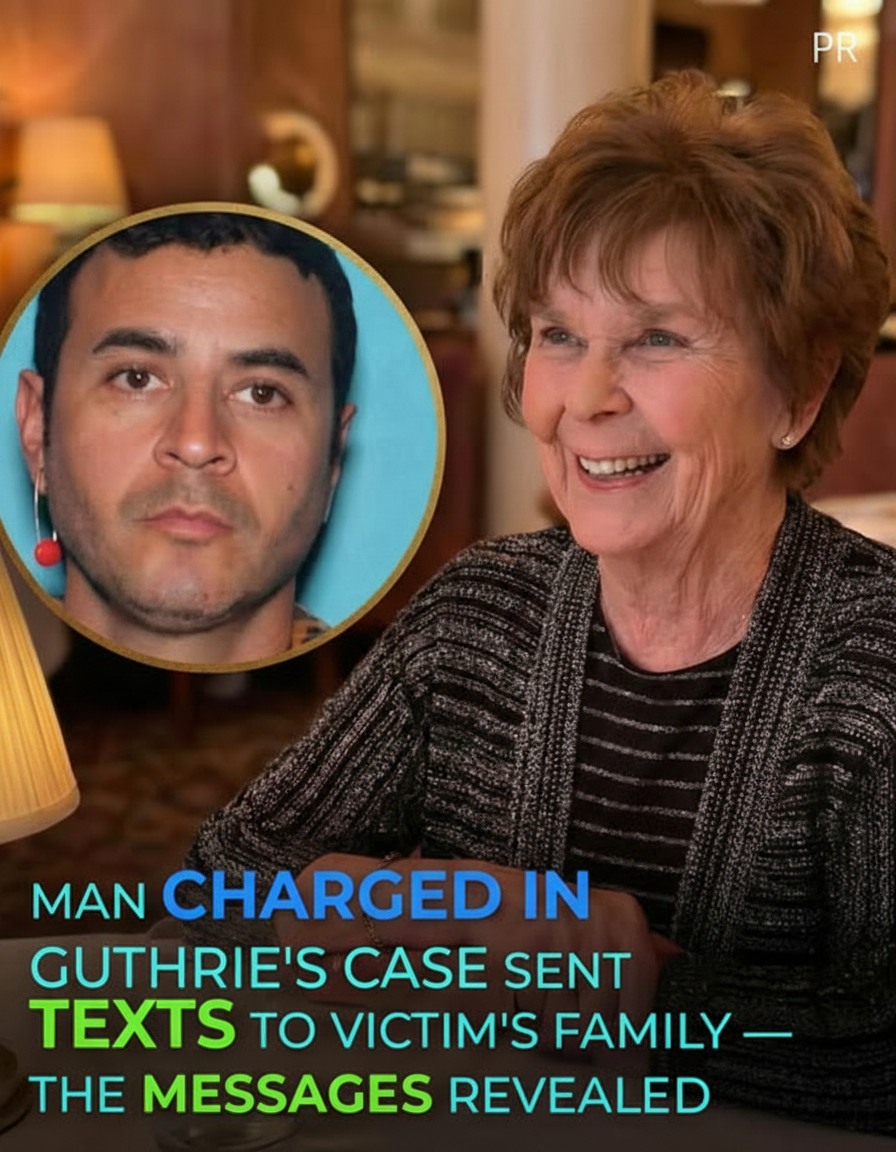
The search for Nancy Guthrie, a case that has gripped and unsettled the nation in the opening weeks of 2026, has taken a disturbing turn. As the family of the missing 84-year-old continues to endure unbearable uncertainty, investigators have been forced to confront an additional crisis: the calculated exploitation of their grief by a stranger online. The arrest of a California man, identified in court documents as Derrick Callella, underscores the modern dangers surrounding high-profile missing-person cases, where the internet can carry cruelty straight into the most vulnerable moments of private lives.
The situation began shortly after Savannah Guthrie and her family made emotional public pleas for information. While they turned to every available platform in hopes of finding Nancy, Callella allegedly initiated targeted messages designed to appear credible and threatening. Federal prosecutors say he referenced cryptocurrency payments—often associated with anonymous extortion—at a moment when the family was deeply vulnerable. For relatives already facing the terrifying possibility that Nancy had been taken from her Arizona home, these messages were not merely disruptive; they were psychologically devastating.
For hours, investigators were forced to treat the communications as potentially real. In cases involving an elderly person who relies on essential medication, time is critical. The family was compelled to face the horrifying possibility that Nancy was being held for ransom. That fear intensified after a brief phone call to a family member, a tactic seemingly intended to make the threat feel immediate and personal. During that window, hope and terror existed side by side.
As federal agents traced the messages using digital forensic tools, the reality proved darker in a different way. After his arrest, Callella reportedly admitted he had no knowledge of Nancy’s location and no connection to her disappearance. Investigators say he followed media coverage from California, located the family’s contact information through public sources, and sent the messages out of what he described as curiosity—wanting “to see if anyone would respond.” The revelation stripped the situation of its urgency while exposing something equally disturbing: the family’s trauma had been treated as a game.
Callella now faces federal charges related to transmitting communications that falsely implied a ransom demand. Though ultimately a hoax, such acts are treated with extreme seriousness. False leads do more than cause emotional harm—they derail investigations. Every fraudulent message diverts law enforcement resources away from real evidence, real tips, and real chances to save a life. In an abduction case, wasted time can be fatal.
The arrest has reignited national concern over the ethics of public engagement in active investigations. Law enforcement officials warn that viral cases often attract hoaxes, misinformation, and individuals seeking attention. These false narratives erode trust, overwhelm investigators, and, most painfully, inflict fresh emotional wounds on families already in crisis. In this case, the Guthrie family endured an exhausting cycle of fear and hope fueled by deception from someone far removed from their reality.
Despite the disruption, authorities remain focused on the core mission. The Pima County Sheriff’s Department, along with federal partners, continues to investigate Nancy Guthrie’s disappearance as an involuntary abduction. Detectives are reviewing extensive doorbell camera footage from the Catalina Foothills and analyzing forensic evidence from the scene. A separate message sent earlier to a media outlet demanding money is also under investigation to determine whether it was another hoax or a legitimate lead.
For Savannah Guthrie, long accustomed to reporting on tragedy, the ordeal has become deeply personal. Throughout the process, she and her family have shown restraint and dignity, urging the public to rely only on verified information and to keep Nancy in their prayers. Their response stands in stark contrast to the deception they were forced to endure and serves as a reminder that restraint, in moments like these, is an act of compassion.
The Guthrie case now sits at the intersection of justice and humanity. Behind the headlines is an 84-year-old woman whose absence has left a painful void. It is also a reminder that digital tools meant to inform can be misused to harm. As Derrick Callella faces legal consequences, investigators return their full attention to the search, mindful that every moment matters.
As another day of searching ends under the Arizona sun, the message from both authorities and the family is clear: this is not entertainment. It is the search for a mother, a grandmother, and a loved one. The truth will not come from hoaxes or online speculation, but from careful investigation and the steadfast hope of a family that refuses to give up. Until that truth emerges, the public’s greatest contribution is patience, responsibility, and respect.