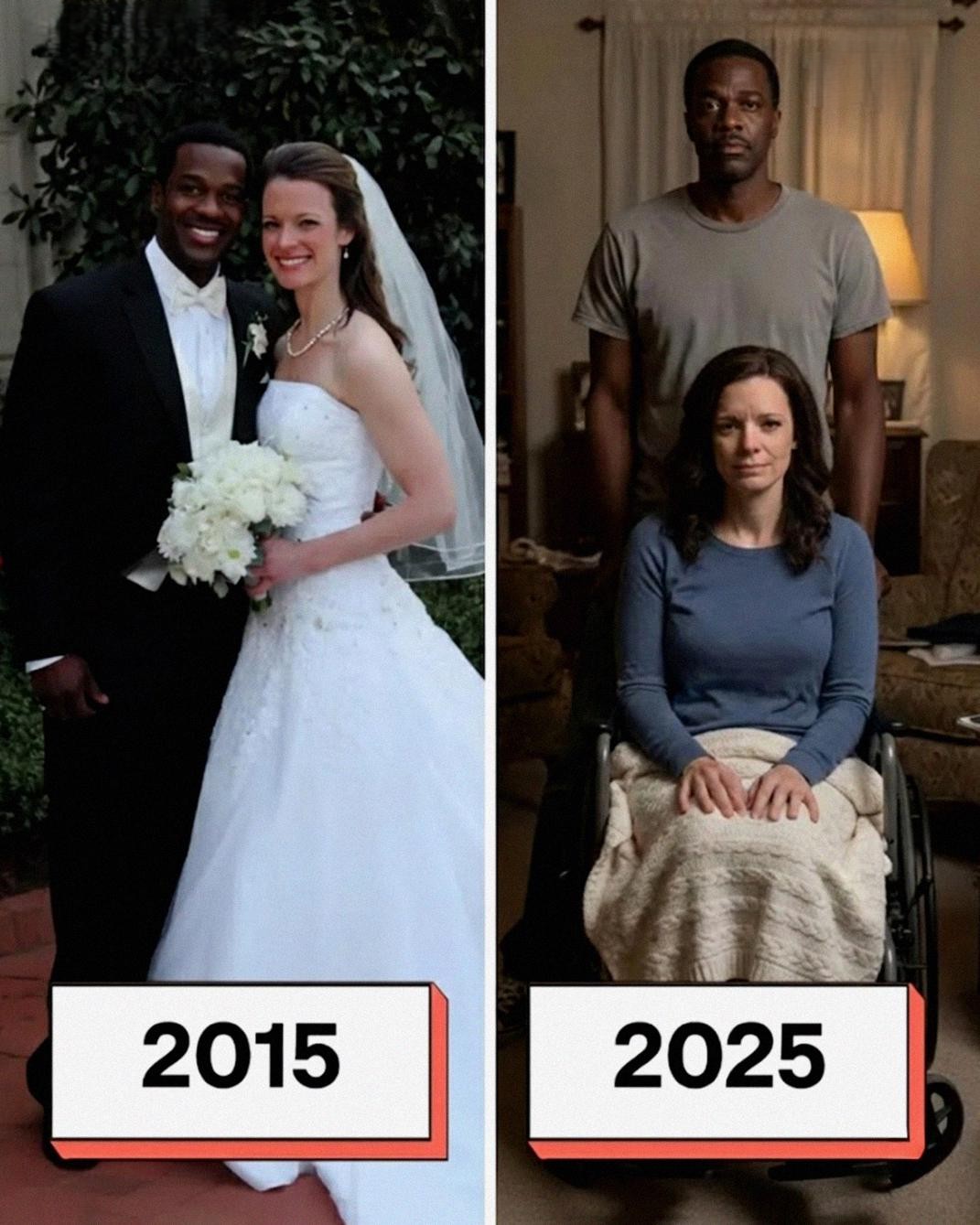
I’m thirty-five, and before the accident, I was the one who kept our marriage running like a well-oiled machine.
I paid most of the bills. I cooked, cleaned. Scheduled dentist appointments, handled insurance, called the electrician, renewed registrations, and managed every boring adult task my husband claimed gave him hives.
“Can’t you just do it?” he’d say, flashing that boyish grin like it was a coupon. “You’re better at this stuff.”
When he wanted to change jobs, “take a break,” or “figure things out,” I’d sit down with spreadsheets and make it work. I picked up extra hours, cut corners where I could, all without making it feel like a sacrifice. I told myself this was what partnership looked like—sometimes one of us leans harder, and then it balances out.
We’d been together ten years. I truly thought we were solid.
Then the serious car accident happened.
I don’t remember the impact. I remember a green light, then the sterile glare of a hospital ceiling. I survived, but my legs weren’t unharmed. Not paralyzed forever, not hopeless, but weak enough that I couldn’t stand on my own. I left the hospital in a wheelchair, with a stack of discharge papers that seemed simple on paper but impossible to live through.
“Six to nine months of physical therapy,” the doctor said. “You’ll probably walk again, but you’ll need help—transfers, bathing, moving around. No weight-bearing on your own for a while.”
I nodded, trying to stay calm, but inside I was screaming. I’d always been independent. I was the helper. I wasn’t built to be the one who had to ask for water.
When I got home, I thought this would be our difficult chapter—ugly, exhausting, temporary. Love would show up, like in my childhood memory—when my dad got injured and my mom cared for him without making it feel like a debt.
But the first week back, my husband wasn’t gentle. He was distant, quiet in a way that seemed irritated, as if my wheelchair was a mess he hadn’t asked for and now had to clean up.
He helped, technically. Made food, assisted with showers, moved me from bed to chair—but everything felt like a chore he wanted to finish fast so he could return to his own life. He disappeared into his office or left for “errands” that lasted hours. If I asked for something twice, he’d sigh like I was ruining his day.
About a week in, he came into the bedroom and sat on the edge of the bed with that expression people wear when they’re about to say something “reasonable” that’s going to hurt.
“Listen,” he said. “We need to be realistic.”
My stomach tightened. “Okay. Realistic how?”
He rubbed his face like he was the victim here. “You’re going to need a lot of help. Like… all day. Every day. And I didn’t sign up to be a nurse.”
I waited for a punchline. None came.
“You married me,” I said.
“Yeah,” he said, “but this is different. This is like a full-time job. I’m going to have to put my life on hold—career, social life, everything.”
My eyes burned. “I know it’s hard. I don’t want this either. But it’s temporary. Doctors think—”
He cut me off. “Temporary still means months. Months of me lifting you, helping you in the bathroom, doing everything.”
He leaned forward, like he was negotiating a lease.
“If you want me to stay and take care of you, I want to be paid. A thousand dollars a week.”
I laughed, because my brain refused to accept it.
He didn’t laugh back.
“You’re serious?” I asked.
“Yeah,” he said. “You’ve earned more than I have for years. You’ve carried us. Now it’s your turn to pay. I’m not your nurse.”
Those words burned into me.
“I’m your wife,” I said, shaking. “I got hit by a car. And you want me to pay you to stay?”
He shrugged. “Think of it like hiring a caregiver. You’d pay a stranger. At least with me, you know who’s here. I won’t resent it if I get something in return.”
“Do you resent me now?” I asked.
He didn’t answer.
I wanted to scream, throw something, tell him to leave and never come back. But I couldn’t even get out of bed by myself.
So I swallowed my pride and agreed to the terms.
That was the start of him treating love as a transaction. Every Friday, I transferred the money. In return, I got the bare minimum of care, while he secretly joked with a friend about my weakness and our “hazard pay.”
When I discovered his affair with Jenna, my friend—the one who had held my hand in the hospital—I acted. I documented everything: screenshots, photos, messages. A lawyer got involved immediately.
Weeks later, when I first stood holding parallel bars and then walked with a cane, my laughter mixed with tears—not just from walking, but from reclaiming my life.
I used to think love meant showing up.
Now I know better. True love doesn’t send an invoice. And anyone who only wants you when life is easy, fun, and profitable? They never loved you. They loved the benefits.