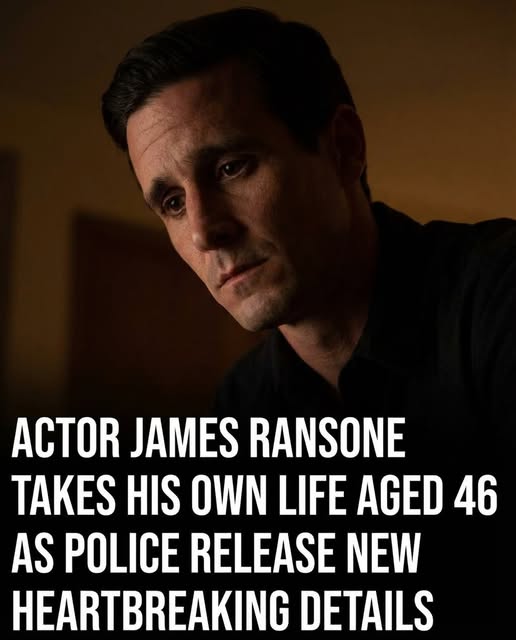
The entertainment world is currently reflecting deeply on the remarkable career and enduring influence of actor James Ransone, whose work in television and film left an indelible mark on audiences across generations. Renowned for his ability to bring extraordinary emotional depth and complexity to the characters he portrayed, Ransone was more than just a performer—he was a storyteller who gave life to the intricate nuances of human experience. Over the years, he earned a reputation as an actor of rare sensitivity, capable of conveying vulnerability, rage, humor, and despair with equal authenticity. His commitment to his craft made him a respected figure among colleagues, directors, and fans alike, who appreciated not only his talent but also his unwavering dedication to portraying genuine human stories on screen.
Born and raised in Baltimore, Maryland, Ransone’s journey into acting was shaped by the gritty realism of his surroundings and the rich culture of his hometown. He first captured widespread attention for his portrayal of Ziggy Sobotka in the second season of HBO’s critically acclaimed series The Wire. The show itself was celebrated for its unflinching, detailed depiction of life in urban America, and Ransone’s Ziggy became a standout character in a sprawling ensemble cast. Ziggy, with his mixture of naivety, anger, and desperation, was a figure audiences could simultaneously pity, criticize, and root for. Ransone’s performance was distinguished by his ability to navigate the character’s volatile emotions with subtlety and precision, making Ziggy both relatable and unforgettable. His portrayal resonated deeply, sparking discussions about the complexities of family, ambition, and self-destruction within the show’s broader social narrative.
Following his breakout role, Ransone built a steady and diverse career in television, demonstrating an impressive range across genres and styles. He took on a significant role in HBO’s Generation Kill, a miniseries chronicling the experiences of U.S. Marines during the early stages of the Iraq War. Here, he exhibited a nuanced understanding of camaraderie, conflict, and the psychological toll of warfare, further cementing his reputation as an actor who could authentically inhabit complex human experiences. Beyond miniseries, Ransone made memorable guest appearances in highly regarded procedural and crime dramas such as CSI: Crime Scene Investigation and Law & Order. Each performance reflected his skill in adapting to different storytelling techniques while maintaining a distinct emotional resonance, allowing him to leave a lasting impression even in brief roles.
Ransone’s contributions to film were equally notable. He brought depth and authenticity to roles that demanded a careful balance of intensity and subtlety. In It Chapter Two, he portrayed the adult Eddie Kaspbrak, delivering a performance that captured both the character’s lingering trauma and his resilience. In the thriller The Black Phone, Ransone further demonstrated his ability to inhabit dark and psychologically complex roles, heightening the tension and realism of the narrative. Directors, co-stars, and critics frequently highlighted his capacity for emotional honesty and his meticulous preparation, qualities that made his performances resonate with audiences long after the credits rolled. Whether in supporting roles or leading moments of emotional weight, Ransone’s work consistently conveyed the inner struggles and triumphs of his characters with precision and authenticity.
Beyond his on-screen achievements, Ransone was admired for his professionalism and humility behind the scenes. Colleagues remember him as someone deeply committed to his craft, generous with his time, and willing to explore the emotional depths necessary to serve the story. Fans often noted how his performances could linger in memory, not just for dramatic effect, but for the truthfulness he brought to every line and gesture. Through a career that spanned decades, Ransone’s legacy lies in his remarkable ability to humanize characters, making even their flaws, mistakes, and fears feel genuine and profoundly relatable.
In remembering James Ransone, the industry reflects not only on a talented actor but on a rare storyteller whose contributions transcended the roles themselves. His performances, from Ziggy Sobotka to adult Eddie Kaspbrak and beyond, will continue to captivate audiences, inspire new generations of actors, and serve as enduring examples of what it means to inhabit a character fully. Fans continue to celebrate his work, holding close the authenticity, emotional power, and intensity that defined every performance he undertook, ensuring that Ransone’s impact on television and film remains lasting and profound.