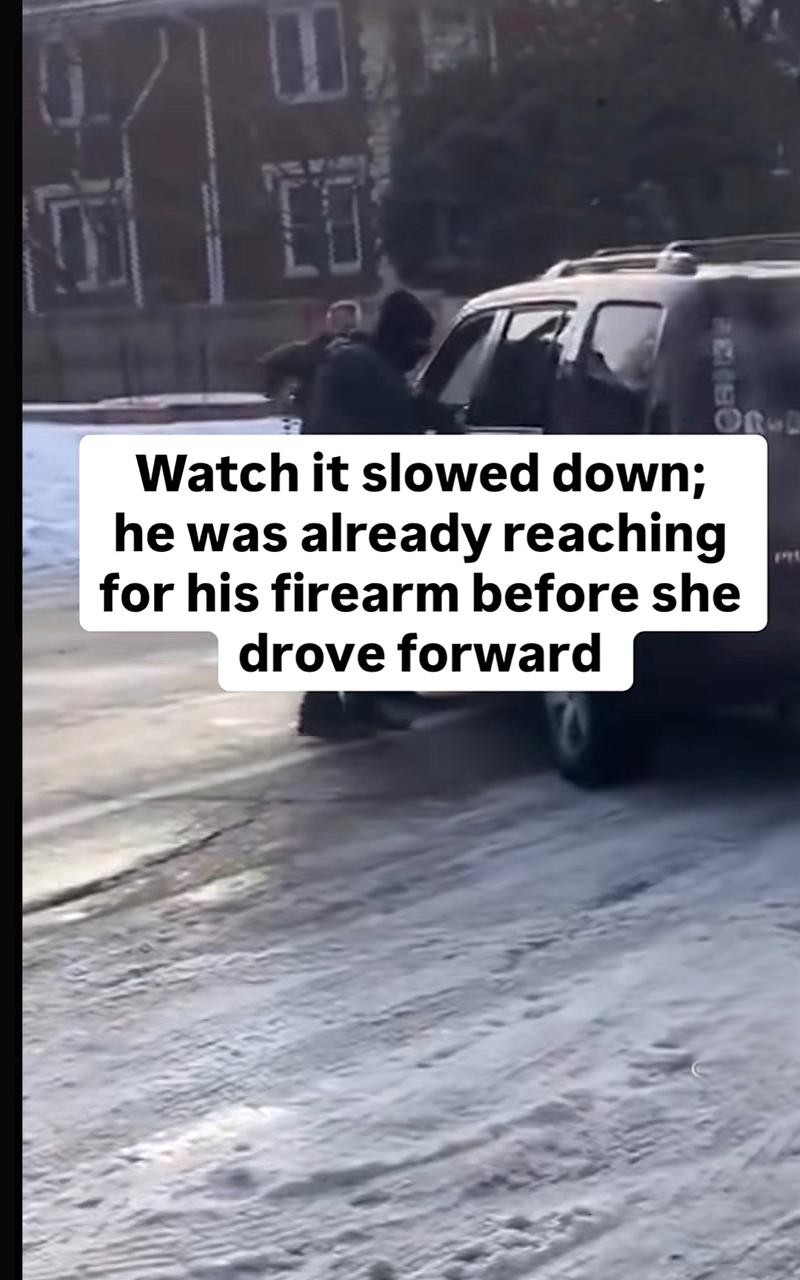
A fatal shooting during a federal immigration operation in Minneapolis has sparked intense scrutiny, public outrage, and conflicting accounts from authorities and witnesses, leaving the city demanding answers and the nation watching closely.
On January 7, 2026, a U.S. Immigration and Customs Enforcement (ICE) agent shot and killed a 37-year-old woman during an enforcement action in south Minneapolis. The woman, later identified as Renee Nicole Good, was a local resident and a U.S. citizen. The shooting occurred in broad daylight and was at least partially captured on video, which quickly circulated online, fueling public concern and calls for accountability.
Federal officials said the incident occurred as agents approached Good while she was inside her vehicle. The Department of Homeland Security and ICE stated that the agent involved believed Good was attempting to use her car as a weapon, creating an immediate threat to the officers. They described the decision to fire as a split-second act of self-defense in a rapidly escalating situation.
Homeland Security Secretary Kristi Noem echoed this view, calling the shooting a defensive response to what she described as aggressive behavior earlier in the day. Federal authorities emphasized that immigration enforcement operations can be unpredictable and dangerous, requiring agents to make rapid judgments to protect themselves and others.
Local officials and witnesses, however, have sharply questioned that narrative.
Minneapolis city leaders, including Mayor Jacob Frey, said the available video evidence does not clearly support the claim that Good tried to run over officers. According to city officials, the footage shows her vehicle moving but not in a way that appeared to pose an imminent threat to agents’ lives. While urging the public to wait for the results of investigations, they acknowledged that the video raises serious questions about the use of lethal force.
Eyewitnesses described a brief but chaotic encounter. Several said Good appeared to be trying to leave the area or reposition her vehicle when shots were fired. Protesters who later gathered argued that the shooting represented excessive force during a federal operation in a densely populated residential neighborhood. Public outrage was intensified by the fact that the woman killed was a U.S. citizen.
Within hours, crowds formed near the site and in downtown Minneapolis. Demonstrators carried signs condemning ICE and demanding an end to federal immigration operations in the city. Chants calling for justice and transparency echoed through the streets while police monitored the gatherings to prevent escalation.
Community leaders struck a careful tone. While urging calm and condemning violence, several local officials criticized the presence and tactics of federal immigration enforcement in Minneapolis, arguing that such operations erode trust, heighten fear, and increase the likelihood of tragic mistakes.
The shooting has also reignited a national debate over immigration enforcement, federal authority, and the rules governing use of force. Critics cite a pattern of aggressive tactics and insufficient oversight, while supporters of ICE maintain that agents face real threats and operate under extreme pressure.
State and federal law enforcement agencies have launched investigations. These inquiries are expected to examine body-camera footage, surveillance video, witness statements, and forensic evidence to determine what happened in the moments leading up to the shooting. Officials have stressed that the process will take time, and no conclusions or legal determinations have been released.
No charges have been filed, and the agent involved has not been publicly identified. ICE said the agent has been placed on administrative leave, a standard procedure in officer-involved shootings, and is cooperating fully with investigators.
For Good’s family and supporters, the official process provides little immediate comfort. Vigils have been held in her memory, with friends and neighbors describing her as a familiar and beloved member of the community whose life ended abruptly. Many have demanded accountability in this case and broader reforms to prevent similar tragedies.
The incident has again placed Minneapolis at the center of a national reckoning over policing, federal authority, and enforcement boundaries. City officials have pledged to share information with the public as it becomes available, emphasizing that transparency will be essential to restoring trust.
What is undisputed is that a woman is dead, a community is grieving, and serious questions remain. Whether the shooting will be deemed justified or excessive will depend on the findings of ongoing investigations. Until then, the case serves as a stark reminder of how quickly law enforcement encounters can turn fatal—and how deeply such moments can fracture public confidence.
As investigators work to reconstruct the timeline and decisions made that day, Minneapolis waits. So does a country increasingly divided over how immigration laws are enforced, who bears the risk, and what accountability should look like when a routine operation ends in irreversible loss.