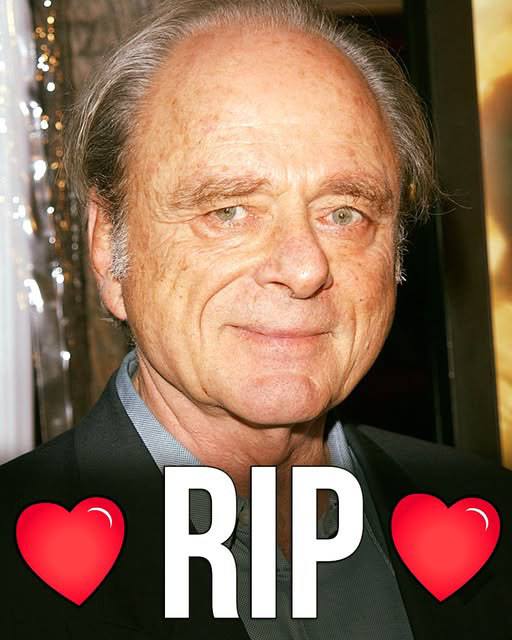
Harris Yulin never seemed interested in the machinery of fame. He did not cultivate spectacle, nor did he orbit the spotlight in search of validation. What he pursued instead was something far more demanding and enduring: mastery. Over the course of a career that stretched across film, television, theater, and the classroom, he constructed a body of work defined not by volume or celebrity, but by rigor and intention. His death at 87, following cardiac arrest in New York City, feels less like a public event and more like a quiet closing note—measured, dignified, and reflective of the life he lived. Those who stood beside him on stage or sat before him as students often say his true legacy is not preserved in premieres or press clippings, but in rehearsal rooms where discipline outweighed ego, and where craft was treated as a responsibility rather than a vehicle for ambition.
Yulin belonged to a rare category of performers whose mere presence stabilized a story. The moment he entered a frame, the atmosphere shifted. In Scarface, Training Day, Ghostbusters II, Frasier, Ozark, and dozens of other projects, he was seldom the face on the poster. Yet time and again, he became the moral anchor or emotional counterweight within the scene. Directors trusted him with roles that required gravity rather than glamour. He specialized in characters who carried authority, ambiguity, or quiet menace—not through exaggeration, but through restraint.
His performances were deliberate constructions. He did not overreach for emphasis or strain for effect. Instead, he allowed meaning to accumulate gradually, through careful pacing and subtle shifts in tone. A pause in his delivery could speak louder than a monologue. A measured glance could reframe an entire exchange. There was something almost architectural about his acting; he built scenes brick by brick, breath by breath, until their emotional structure felt inevitable. He never declared his importance. He allowed it to reveal itself slowly, trusting the audience to meet him halfway.
That restraint gave his work a certain danger—an unpredictability rooted in authenticity. Viewers could not easily anticipate how his characters would move or respond. He understood that truth in performance often lies in what is withheld rather than displayed. In an industry that frequently rewards flamboyance, Yulin’s commitment to understatement became its own quiet rebellion. He demonstrated that authority does not need to shout, and that intensity can exist beneath composure.
Yet if the screen showcased his discipline, the classroom deepened it. At Juilliard School, Yulin’s influence extended far beyond individual roles. There, away from cameras and critics, he reinforced a philosophy of acting rooted in ethics as much as technique. He reminded students that performance is not self-expression alone, but an act of responsibility toward text, ensemble, and audience. Acting, he insisted, was not a shortcut to admiration. It was a lifelong engagement with human behavior—an ongoing study of vulnerability, conflict, and truth.
Former students often recall his exacting standards. He was not interested in flattery or shortcuts. He demanded preparation, curiosity, and humility. In his view, talent without discipline was hollow. He pushed actors to interrogate their choices, to justify every movement and inflection. He discouraged vanity and encouraged listening. Above all, he emphasized that the work mattered more than the worker. The role, the story, the shared effort—these were sacred. Personal ambition was secondary.
This philosophy resonated because it was lived, not merely spoken. Yulin’s own career reflected the principles he taught. He navigated decades in an unpredictable industry without surrendering to its noise. He accepted roles that challenged rather than showcased him. He moved fluidly between stage and screen, between leading and supporting parts, without treating any platform as superior. The common thread was commitment.
In theater especially, colleagues describe him as a stabilizing force. Rehearsals under his watch were spaces of concentration. He valued silence as much as speech, believing that listening was the foundation of truthful performance. His voice—measured, calm, occasionally sharp when precision demanded it—still echoes in the habits of those he mentored. Many actors carry his guidance into their own rehearsals now, passing it forward like an inheritance.