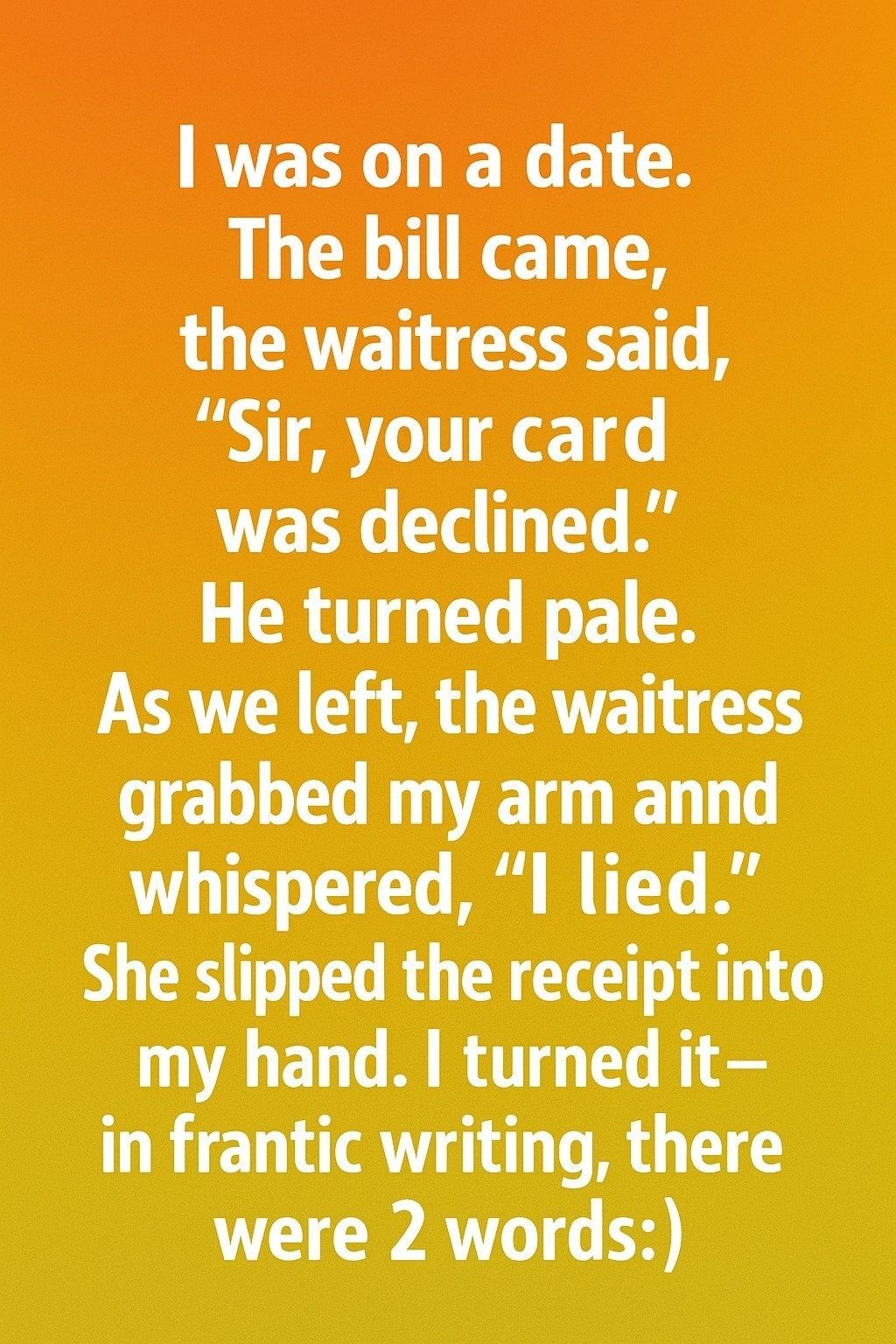
The evening unfolded with a careful blend of intention and hope, each moment arranged to guide effortlessly from casual acquaintance to something more profound. The setting was flawless: a small bistro tucked into a quiet, lamp-lit corner of the city, one of those spaces that seemed to understand the mechanics of intimacy. Soft amber light filled the room, jazz played gently in the background, and the aroma of rosemary and slow-cooked sauces hung in the air. Every detail seemed designed to slow time and nurture connection.
Across the polished wooden table sat Claire. Her presence was a comforting, lively contrast to the room’s understated elegance. Her smile unfolded gently rather than flashing abruptly, and her eyes absorbed the world with quiet attentiveness. Since we met weeks ago, I had been looking forward to this combination of good food, soft lighting, and uninterrupted conversation—a clear step forward in what I hoped would become a lasting bond.
Time passed effortlessly, marked by the easy rhythm of genuine compatibility. We moved smoothly between lighthearted banter and thoughtful reflections: office absurdities, the sense of belonging while traveling, awkward but formative childhood memories. Laughter came naturally, bouncing softly off the walls. For the first time in a long while, I felt fully present; the usual pull of phones and the outside world seemed irrelevant. Everything felt, in one word, right. To prolong the evening, I ordered coffee as we finished the last bites of shared chocolate torte.
Then, inevitably, the server arrived with the check.
She set a slim, dark leather folder on the table with practiced neutrality, a polite invitation to settle the bill. I reached for my wallet without hesitation and handed over my card. Claire, meanwhile, was animatedly recounting a story about a disastrous moving-in day, her hands illustrating each moment. I slid the card into the folder and returned it to the server, the flow of conversation uninterrupted.
But the rhythm of the evening fractured as she came back. Hesitation flickered across her face, her smile slightly strained.
“Sir,” she murmured, leaning in, “I’m so sorry, but your card didn’t go through.”
Her words landed like a sudden drop in temperature. I felt disbelief surge, quickly replaced by a burning flush in my neck and cheeks. “There must be a mistake,” I said, voice tight even to my own ears. “Could you try again?”
She nodded and retreated. I avoided Claire’s eyes, fumbling with sugar packets. The atmosphere shifted palpably. Though Claire offered a small, comforting smile, her eyes betrayed a hint of unease. She tried to continue her story, but the music seemed louder, the clinking of glasses sharper.
When the server returned a second time, the humiliation solidified. “I truly apologize, sir,” she said gently. “It’s still not going through.”
The evening’s easy pleasure vanished, replaced by acute, public embarrassment. Confidence evaporated. A quick check on my banking app confirmed it: the account was fine. It was a technical glitch—a security hold—but the social sting was already inflicted.
“I’ll call the bank first thing tomorrow,” I said, forcing a brittle laugh. “Probably just a security block after an online purchase.” Claire nodded, her initial warmth now guarded. “It happens,” she said softly. The evening ended not gracefully, but awkwardly.
We left, slipping some cash on the table to cover the coffee, hoping to reclaim some dignity outside. The cold night air was a brief shock against the burning shame. I walked with my head down, rehearsing apologies, wondering how to salvage the disaster.
Then, a light touch on my sleeve stopped me.
I turned to see the server, slightly breathless, cheeks pink from running. She leaned in conspiratorially, eyes reflecting the streetlights. “Sir,” she whispered, “I lied.”
Before I could respond, she pressed a folded piece of paper into my hand—a receipt—and, with a swift, subtle movement, hurried back inside.
Confused, I unfolded the slip. It was our original receipt, the total circled, with one word scrawled next to it in simple, clear handwriting: PAID.
A wave of emotions—confusion, relief, gratitude—washed over me. Someone, either the server or another diner who had witnessed the scene, had quietly covered the cost. It was a selfless act of compassion, meant not for recognition but to erase a stranger’s humiliation.
I called out a weak “Thank you!” into the restaurant, knowing she was likely already inside. Claire gasped at the receipt, hands flying to her mouth. “Unbelievable,” she whispered.
The tension dissolved instantly. We walked together again, not with romantic theatrics, but bonded through the shared experience of unexpected grace. Our conversation shifted from marveling at the gesture to a quieter reflection.
“Most people,” Claire observed, nudging a pebble along the sidewalk, “would have ignored it. Pretended nothing happened.”
“She didn’t,” I said, humbled. “She saw two people struggling and fixed it.”
The date did not end with a cinematic kiss. It ended better: a slow, grateful walk, a handshake, and the realization that empathy can transform embarrassment into a profound, heartwarming connection. One small, anonymous act had eclipsed any planned romance, leaving something far more meaningful behind.