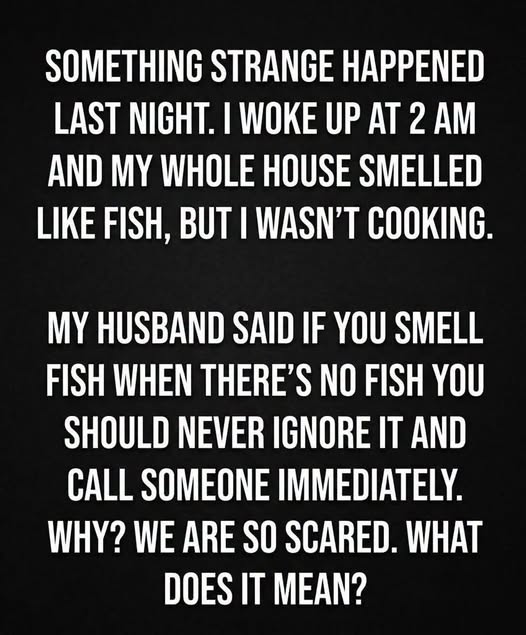
A strange smell of rotten fish inside a perfectly clean home can be unsettling. You check the kitchen, inspect the refrigerator, empty the trash, and look around for anything that might have spoiled. But the odor remains. There is no obvious source, no leftover food, and no visible mess. What many homeowners don’t realize is that this unusual smell can sometimes be an early warning of an electrical problem hidden behind walls, inside outlets, or within household equipment.
Although unpleasant odors often come from ordinary sources such as drains, garbage, or spoiled food, a persistent fish-like or burning plastic smell should never be ignored. In certain circumstances, overheating electrical components can release unusual odors before more obvious warning signs, such as smoke, sparks, or a tripped circuit breaker, appear.
Understanding what might be causing the smell can help homeowners recognize potential dangers and respond before a minor electrical fault develops into something much more serious.
**Why electrical problems can produce a fishy smell**
Electrical systems contain numerous components made from plastic, insulation, and other materials that can become damaged when exposed to excessive heat.
Outlets, switches, circuit breakers, wiring connections, and electrical appliances are all designed to operate within specific temperature limits. When a connection becomes loose, a circuit becomes overloaded, or a component begins to fail, excessive heat may develop.
As certain materials warm up, deteriorate, or begin to burn, they can release unpleasant odors. Depending on the materials involved, these smells may resemble burning plastic, chemicals, fish, or something rotting.
This is particularly concerning because the source may be hidden from view.
An electrical connection inside a wall can overheat without producing visible flames. A damaged outlet may release an unusual odor while the surrounding surface still appears relatively normal. In some situations, the smell may be the first indication that something is wrong.
However, a fish-like odor does not automatically mean an electrical fault is present. Other household sources can produce similar smells, so the location and accompanying warning signs are important.
**Warning signs homeowners should never ignore**
If an unusual smell appears near an electrical outlet, switch, appliance, or electrical panel, pay attention to other changes in the surrounding area.
Several warning signs may indicate an electrical problem:
– **Warm or hot outlets:** An outlet or switch plate that feels unusually warm can indicate excessive electrical resistance, an overloaded circuit, or a failing connection.
– **Buzzing or crackling sounds:** Electrical outlets and switches should not normally produce persistent buzzing, popping, or crackling noises.
– **Flickering or dimming lights:** Lights that repeatedly flicker, especially when appliances switch on, may indicate a problem with the electrical supply or circuit.
– **Dark marks or discoloration:** Brown, black, or scorched areas around outlets and switches can indicate overheating or electrical arcing.
– **Burning or chemical odors:** A smell resembling melting plastic, hot insulation, or burning materials deserves immediate attention.
– **Repeated breaker trips:** A circuit breaker that repeatedly switches off may be responding to an overload or electrical fault.
One warning sign alone does not always establish the cause, but several occurring together should be treated seriously.
**Where the smell might actually be coming from**
Before assuming that an electrical problem is responsible, it is important to understand that several household systems can produce unusual odors.
Kitchen appliances are one possibility. Refrigerators, dishwashers, microwaves, and other electrical equipment contain components that can deteriorate or overheat. A faulty motor, damaged wiring, or failing internal part may produce an unpleasant smell.
Drains and plumbing systems are another potential source. Organic material trapped in a drain, problems with a plumbing trap, or bacterial buildup can create odors that resemble spoiled food or rotting material.
Heating and cooling systems can also distribute unpleasant smells throughout a home. Dust accumulation, moisture, contaminated filters, and other mechanical problems may cause unusual odors to emerge from ventilation openings.
Even an appliance that appears to be working normally can develop an internal fault.
The important distinction is that an odor concentrated around an electrical outlet, switch, electrical panel, or appliance should raise particular concern, especially when accompanied by warmth, unusual sounds, discoloration, or flickering lights.
**What to do if you notice the smell**
The first priority should always be safety.
If you smell something resembling burning plastic or overheated electrical equipment, do not assume that the problem will disappear on its own. Avoid using the suspected outlet or appliance, and do not attempt to investigate the wiring yourself.
Never remove an outlet cover, open an electrical panel, or touch exposed wires in an attempt to identify the source. Electrical equipment can remain dangerous even when it appears inactive.
If there is smoke, visible sparking, flames, or a strong burning odor, leave the property immediately and contact emergency services from a safe location. Do not delay evacuation to search for the source or attempt repairs.
If the smell is localized and there are no immediate signs of fire, switch off power to the affected circuit only if you can do so safely without approaching damaged, hot, wet, or sparking equipment. If you are uncertain, leave it alone and contact a qualified electrician.
Do not restore power simply because the smell has disappeared. An electrical fault may still be present.
A licensed electrician can inspect the relevant circuit, connections, outlets, switches, and equipment to identify the cause and determine whether repairs are necessary.
**Why a small electrical fault can become a major danger**
One of the most dangerous aspects of electrical problems is that they may develop gradually.
A loose connection, for example, can create increased electrical resistance. As current passes through that connection, heat may build up. Continued overheating can damage insulation, weaken surrounding materials, and potentially lead to electrical arcing.
Electrical arcing occurs when electricity jumps across a gap or damaged connection. It can generate extremely high temperatures and ignite nearby combustible materials.
This is one reason electrical faults deserve immediate attention even when there are no visible flames.
A circuit breaker provides important protection against certain electrical faults, particularly excessive current. However, not every dangerous overheating condition will necessarily cause a breaker to trip. A poor connection can generate dangerous localized heat without exceeding the circuit’s normal current rating.
That means homeowners should never rely on the absence of a tripped breaker as proof that everything is safe.
Professional inspection is particularly important when unusual odors appear repeatedly or seem to come from inside walls or electrical equipment.
**How to reduce electrical risks at home**
Preventive maintenance can help reduce the likelihood of electrical problems developing unnoticed.
Homeowners should avoid overloading outlets with multiple high-power appliances and should use electrical equipment according to the manufacturer’s instructions.
Damaged cords, loose plugs, cracked outlets, and malfunctioning switches should not be ignored. Electrical repairs should be performed by qualified professionals rather than attempted without the necessary training.
It is also important to make sure smoke alarms are installed and functioning properly. Smoke alarms provide an additional layer of protection, although they do not replace electrical inspections or early attention to unusual odors.
Older homes may benefit from a professional assessment of their electrical systems, particularly if they have outdated wiring, insufficient circuits, or a history of electrical problems.
Regular attention to these details can help identify developing issues before they become emergencies.
**The smell may be unusual, but the warning should be taken seriously**
A fish-like odor in a clean home does not automatically mean there is an electrical emergency. Sometimes the explanation is as simple as a drain, appliance, or ventilation problem.
But when the smell appears near electrical equipment, or when it is accompanied by warm outlets, buzzing sounds, flickering lights, or dark marks, the possibility of overheating should