It often begins with something so ordinary that parents barely give it a second thought: a child scratching their head. At first, it may seem like dry skin, irritation, or simply a habit. Then the scratching happens again, and before long, another child in the family starts complaining about the same uncomfortable feeling. Suddenly, what seemed like a minor annoyance becomes a household concern, with parents checking scalps, washing bedding, and wondering how something so small could create so much disruption.
The problem is head lice, one of the most common childhood nuisances, particularly in environments where children spend time playing and learning close together. Although lice are usually not dangerous and do not spread serious diseases, they can cause considerable discomfort and frustration. For families, discovering them can mean several days of careful treatment, repeated checks, and efforts to prevent them from spreading to other household members.
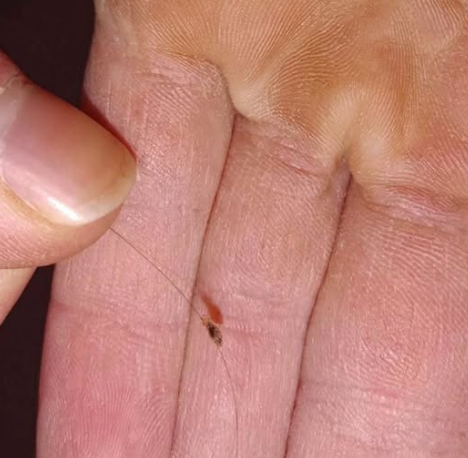
Head lice are tiny insects that live on the human scalp and feed on small amounts of blood. They attach their eggs, commonly called nits, to individual strands of hair, usually close to the scalp. Because the insects are small and move quickly, they can be surprisingly difficult to spot, especially in thick or long hair.
One of the most recognizable signs is persistent itching. This happens because the scalp can react to bites from the lice, although the itching may not develop immediately after an infestation begins. Some children experience little discomfort at first, while others become extremely irritated and scratch frequently. In certain cases, repeated scratching can leave the scalp sore or cause small skin injuries.
Head lice spread primarily through direct head-to-head contact. This is particularly common among young children because they frequently play together, lean close while talking, share activities, and sit near one another. In classrooms, sleepovers, playgroups, and family gatherings, close contact can create opportunities for lice to move from one person’s hair to another.
Contrary to some common assumptions, head lice are not a sign of poor hygiene. They can affect people with clean hair just as easily as anyone else. They also do not jump or fly. Instead, they crawl from one head to another when hair comes into direct contact. This is why children who spend time playing closely together can sometimes experience outbreaks within the same group.
Recognizing the problem early can make treatment much easier. Parents should pay attention when children repeatedly complain about an itchy scalp, particularly around the ears and the back of the neck. These areas are common places to find lice and their eggs.
However, itching alone does not confirm an infestation. Dry skin, dandruff, eczema, and other scalp conditions can produce similar symptoms. The most reliable way to identify head lice is to examine the hair carefully and look for live insects.
A fine-toothed lice comb can be especially useful. Wetting the hair and applying ordinary conditioner can make combing easier and help slow the movement of lice. Divide the hair into small sections and carefully comb from the roots toward the ends, checking the comb after each pass. Pay particular attention to the areas behind the ears and near the neckline.
Nits can be confused with dandruff or other particles in the hair. However, they are usually firmly attached to individual hair strands and do not brush away as easily. Finding live lice is the clearest indication of an active infestation, while empty egg cases may remain attached even after treatment has worked.
Once head lice are confirmed, many parents naturally begin searching for the quickest and easiest way to eliminate them. Online discussions frequently recommend household products such as vinegar, mouthwash, essential oils, or other homemade mixtures. These suggestions can sound appealing, especially when families are trying to avoid repeated treatments or expensive products.
Unfortunately, popular does not always mean effective.
Vinegar and mouthwash have not been proven to reliably eliminate live lice or destroy their eggs. Using them instead of an established treatment can waste valuable time and allow the infestation to continue. Some household substances may also irritate sensitive skin, particularly when applied directly to a child’s scalp.
The more reliable approach is to use an approved head-lice treatment according to its instructions and combine it with careful combing. Depending on the product, treatment may involve a lotion, liquid, or shampoo containing an ingredient designed to kill lice. Different products work in different ways, and some require a second application after a specific number of days to eliminate newly hatched lice.
Following the instructions is extremely important. Applying more product than recommended does not necessarily make treatment more effective and may increase the risk of irritation or other unwanted effects. Parents should also check the age restrictions and warnings on the packaging before using any treatment on a child.
Some lice treatments kill live insects but do not reliably destroy every egg. This is why repeated combing and follow-up checks are important. Even when the scalp appears clear after the first treatment, newly hatched lice may still appear if eggs have survived.
Wet combing can also be used as part of a treatment plan. It involves carefully working through the hair with a fine-toothed comb at regular intervals to remove lice and eggs. It requires patience, particularly when a child has long or thick hair, but consistent combing can help reduce the number of insects and make it easier to monitor progress.
Families should also avoid assuming that everyone in the household needs medication automatically. Instead, check close household contacts and treat those who actually have an active infestation, following medical or product guidance. Treating people unnecessarily can expose them to products they do not need.
Another common concern is whether the entire home must be disinfected. The answer is reassuring: head lice do not survive for long away from the human scalp, and most transmission occurs through direct head-to-head contact. Extensive cleaning, pesticide sprays, and expensive household treatments are generally unnecessary.
Still, a few sensible precautions can help. Wash recently used pillowcases, hats, towels, and clothing according to their care instructions. Combs and brushes can be cleaned appropriately, and items that cannot be washed can be handled according to public health or treatment guidance. There is no need to turn the house upside down or use insecticides on furniture.
Communication is equally important. If a child has head lice, parents may want to inform the school or childcare provider so that other families can check their children. This should be handled without embarrassment or blame. Head lice are common, and anyone can become affected through close contact.
It is also important not to shame a child who has lice. Children may already feel uncomfortable or embarrassed when they discover insects in their hair. Reassuring them that the problem is common and treatable can prevent unnecessary anxiety. A calm explanation helps them understand that having lice does not mean they are dirty or have done anything wrong.
If treatment does not appear to work, or if lice continue to be found after correctly following the instructions, a pharmacist or healthcare professional can help. Some lice populations have developed resistance to certain treatment ingredients, and a different product or treatment strategy may be necessary. Medical advice is particularly important when treating very young children, people with sensitive skin, or anyone with scalp wounds or other skin conditions.
Ultimately, the best way to deal with head lice is to combine early detection, an effective treatment, careful combing, and follow-up checks. Relying on unproven home remedies can prolong the problem, while using approved treatments correctly gives families a more dependable path toward getting rid of the infestation.
Head lice may be tiny, but the frustration they cause can feel enormous when an entire family becomes involved. The good news is that they are manageable, and with patience and the right approach, families can get through the problem without unnecessary panic.
A little scratching does not always mean lice are present, but persistent itching is a good reason to take a closer look. Checking carefully, choosing a proven treatment, and following the instructions can make all the difference. And perhaps the most important thing parents should remember is this: head lice are a common problem, not a reflection of cleanliness, parenting, or a child’s worth.