During the pandemic, when businesses were closing, jobs were disappearing, and families were struggling to keep up with everyday expenses, even one empty day could create enormous uncertainty. For people who depended on finding temporary work each morning, the situation was especially difficult. They could spend hours waiting for an opportunity, never knowing whether they would earn enough to cover food, rent, or other essential needs.
It was during this difficult period that legendary entertainer Dick Van Dyke made a simple but meaningful gesture toward people facing financial uncertainty in his own community.
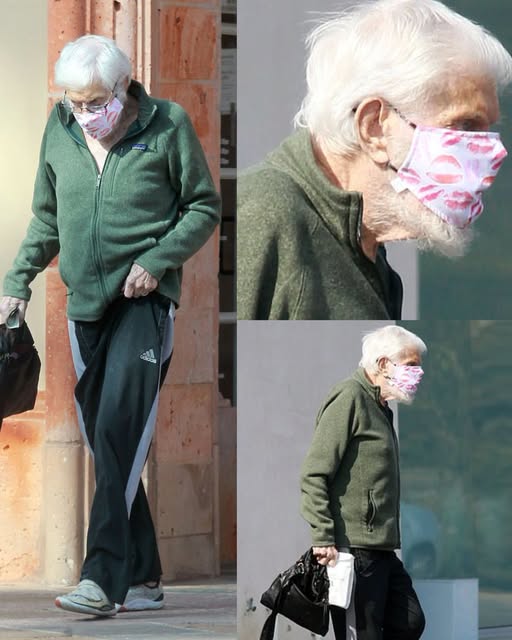
At 95 years old, the beloved Hollywood actor was seen visiting the Malibu Community Labor Exchange, a place where day laborers gathered in the hope of finding employment. His visit came after a stop at a pharmacy and a trip to his bank, where he withdrew cash before heading toward the labor exchange.
Rather than simply driving past the workers, Van Dyke chose to offer direct assistance. From his vehicle, he handed money through the car window to people waiting outside. It was a straightforward act that did not require a public ceremony, complicated arrangements, or lengthy promises.
For the workers gathered there, the gesture had immediate practical value. Many depended on temporary jobs to earn their daily income, and the pandemic had made those opportunities increasingly uncertain. A morning without work could mean another difficult evening, with bills still waiting and basic expenses becoming harder to manage.
The money Van Dyke distributed offered something tangible at a moment when many people were struggling to find stability. It could help someone purchase groceries, cover transportation, or manage another immediate expense while waiting for the next opportunity to work.
The location made the gesture particularly meaningful. The Malibu Community Labor Exchange served people looking for day jobs, connecting workers with individuals and businesses that needed temporary help. For many of those who gathered there, employment was never guaranteed. They arrived hoping someone would need assistance with construction, landscaping, moving, cleaning, or another type of physical work.
During the pandemic, that uncertainty became even more difficult. Restrictions, business closures, and reduced demand affected workers across many industries. People whose income depended on daily opportunities often had fewer ways to protect themselves against sudden financial hardship.
Van Dyke’s decision to help directly demonstrated how even a relatively simple action can make a difference in someone’s day. Instead of offering distant words of encouragement, he provided practical support to people who were facing immediate needs.
The moment also reflected a broader reality of the pandemic. While public attention often focused on major businesses, government announcements, and economic statistics, millions of ordinary workers were dealing with the consequences in their personal lives. Behind every missed shift was someone trying to support a family, pay household expenses, and maintain some sense of normality.
Dick Van Dyke has spent decades entertaining audiences through film, television, comedy, and music. Generations remember him for productions such as *The Dick Van Dyke Show*, *Mary Poppins*, and *Chitty Chitty Bang Bang*. His career made him one of the most familiar figures in American entertainment, but moments like this brought attention to a different side of his public life.
At an age when many people would have chosen to remain away from public activity, he was still finding ways to connect with people around him. His visit to the labor exchange showed that helping others does not always require an elaborate plan. Sometimes it begins with noticing the difficulties people are experiencing and deciding to do something useful.
For the workers who received assistance, the encounter was likely about much more than the money itself. It was also a reminder that their struggles had not gone completely unnoticed. During a period when uncertainty seemed to dominate everyday life, a kind gesture from someone they recognized could offer a moment of encouragement.
The story is a reminder that generosity does not always need a spotlight. A simple conversation, a helping hand, or financial assistance offered at the right moment can have real meaning for someone facing hardship.
Dick Van Dyke’s visit to the Malibu labor exchange became a memorable example of direct community support during an exceptionally difficult period. While the pandemic created challenges that no single gesture could solve, his decision to help those workers offered immediate relief and demonstrated the value of compassion when people need it most.