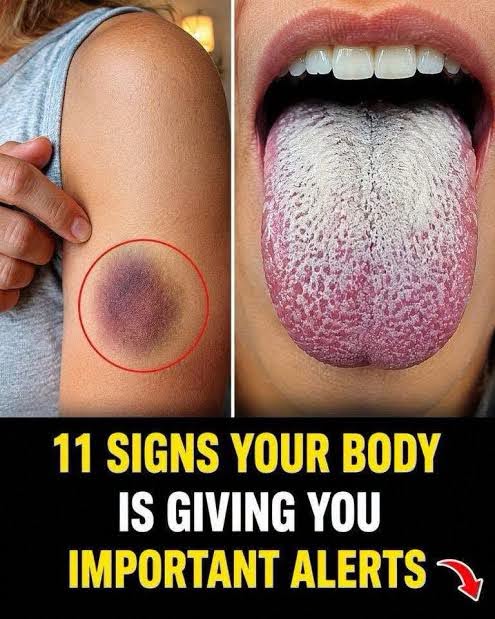
Our bodies often give us small signals when something is not quite right. Some changes are completely harmless and may be connected to aging, everyday habits, or temporary conditions. Others, however, can sometimes be early signs of an underlying health problem that deserves attention. The difficulty is knowing when an ordinary symptom should not be ignored.
A headache, unusual skin change, or sudden swelling does not automatically mean something serious is happening. But when a symptom persists, becomes worse, or appears alongside other unusual changes, it is worth discussing with a healthcare professional.
That is why recognizing common warning signs can be helpful. Paying attention to changes in your body and seeking medical advice when necessary can make it easier to identify potential problems early. Here are 11 signs worth knowing about.
**1. Dandruff and hair loss**
A flaky scalp is a common problem, and many people experience dandruff at some point in their lives. However, when dandruff appears alongside noticeable hair thinning or excessive hair loss, it may be worth investigating further.
In some cases, nutritional deficiencies can contribute to changes in scalp and hair health. Low levels of iron, zinc, and certain B vitamins may affect normal hair growth. Other possible causes include hormonal changes, thyroid disorders, stress, certain medications, and scalp conditions such as seborrheic dermatitis.
It is important to remember that dandruff itself does not necessarily mean someone has a vitamin deficiency. Most cases are related to scalp conditions rather than a lack of nutrients. If hair loss becomes sudden, excessive, or occurs in patches, a doctor or dermatologist can help identify the cause. Blood tests may be recommended if a nutritional or hormonal problem is suspected.
**2. Wrinkly hands and fingers**
Wrinkles are a natural part of aging, and fingers commonly become temporarily wrinkled after spending a long time in water. These changes are generally normal. However, if your hands suddenly appear unusually wrinkled or lose their usual fullness without an obvious explanation, it may be worth paying attention.
Dehydration can sometimes contribute to changes in skin appearance, particularly when accompanied by thirst, dry mouth, or reduced urination. Circulation problems and certain medical conditions can also affect the skin and tissues of the hands.
Thyroid disorders may cause changes in skin texture and dryness, although wrinkled fingers alone are not a reliable indicator of a thyroid problem.
If the changes persist or appear alongside unusual fatigue, cold intolerance, swelling, or changes in skin color, consider discussing them with a healthcare professional. Sudden pain, numbness, or a blue or unusually pale appearance in the fingers should receive prompt medical attention.
**3. White patches on the tongue**
A healthy tongue is usually pink, although its appearance can vary slightly from person to person. If white patches begin appearing, the cause may be something relatively simple, such as a buildup of bacteria, dead cells, or food debris.
In other cases, white patches can be associated with oral thrush, a fungal infection caused by an overgrowth of Candida. It can occur more frequently in people with diabetes, weakened immune systems, or those who have recently used certain antibiotics. People who use inhaled steroid medications may also be more susceptible.
Improving oral hygiene, gently brushing the tongue, drinking enough water, and cleaning dentures can help with some causes of a coated tongue. However, persistent white patches should not automatically be treated as a hygiene problem.
If the patches are painful, difficult to remove, repeatedly return, or remain for more than a couple of weeks, a dentist or doctor should examine them. Some persistent white patches have causes that require further investigation, so it is better not to assume they are harmless.
**4. Skin rashes**
Red, itchy, or irritated skin can develop for many reasons. Eczema, allergies, contact with irritating products, insect bites, and certain infections can all cause visible rashes.
Sometimes, a rash appears after contact with plants, detergents, cosmetics, or other substances that irritate the skin. In other situations, it may be associated with an infection, particularly when accompanied by fever, tiredness, or other symptoms.
Although many rashes are mild, scratching can damage the skin and increase the risk of secondary infection. Keeping the affected area clean, avoiding suspected irritants, and resisting the urge to scratch may help prevent further irritation.
A rash that spreads quickly, becomes increasingly painful, develops pus, or is accompanied by fever should be assessed by a healthcare professional. Seek emergency help if a rash appears with difficulty breathing, swelling of the lips or tongue, or other signs of a severe allergic reaction. A rash that does not fade when pressed, particularly with fever or feeling seriously unwell, also requires urgent assessment.
**5. Swollen ankles**
Swollen ankles are something many people experience, particularly after standing or sitting for long periods. Warm weather, pregnancy, high salt intake, and certain medications can also contribute to temporary fluid buildup around the feet and ankles.
However, persistent or unexplained swelling may sometimes indicate an underlying health condition. Problems involving the veins can make it difficult for blood to return efficiently from the legs to the heart. Conditions affecting the heart, kidneys, or liver can also cause fluid to accumulate in the lower parts of the body.
The pattern of swelling can provide useful information. Swelling in both ankles may have different causes from sudden swelling in just one leg. If one leg becomes painful, red, warm, or noticeably larger than the other, medical assessment is important because a blood clot is one possible explanation.
If swollen ankles occur together with chest pain, sudden shortness of breath, or fainting, seek emergency medical help. Persistent swelling should also be discussed with a doctor, especially when it has no obvious explanation.
**6. Changes in urination**
Changes in how often you urinate, the appearance of your urine, or the amount you pass can sometimes provide clues about your health.
For example, urinating more frequently than usual may be associated with increased fluid or caffeine intake, urinary tract infections, certain medications, or diabetes. Burning or pain during urination, an urgent need to go, and discomfort in the lower abdomen can also occur with urinary infections.
Dark yellow urine may simply mean that you need more fluids, while some foods, vitamins, and medications can change its color. However, blood in the urine should never be ignored, even if it appears only once or causes no pain.
Persistent changes in urination, difficulty passing urine, pain in the back or sides, or unusual urine color deserve medical attention. A healthcare professional can determine whether testing is needed to check for infection, kidney problems, or another underlying condition.
**7. Constant thirst and frequent hunger**
Feeling thirsty after exercise or spending time in hot weather is completely normal. But persistent thirst that does not seem to improve after drinking water may deserve attention, especially when accompanied by frequent urination.
One possible explanation is diabetes, a condition in which blood glucose levels become too high. The body may attempt to remove excess glucose through urine, leading to increased urination and thirst.
Some people may also experience unusual hunger, unexplained weight loss, tiredness, or blurred vision. These symptoms do not prove that someone has diabetes, but they are reasons to consider a medical evaluation and appropriate blood glucose testing.
Other conditions and medications can also affect thirst and appetite. If these changes continue without an obvious explanation, speak with a healthcare professional rather than trying to manage them by simply drinking more water.
**8. Unexplained weight changes**
Body weight naturally fluctuates. Changes in eating habits, physical activity, sleep, stress, and fluid balance can all influence the number on the scale.
However, losing or gaining a noticeable amount of weight without intentionally changing your lifestyle may sometimes indicate an underlying health issue.
Unexplained weight loss can be associated with thyroid disorders, diabetes, digestive conditions, infections, medication effects, and other illnesses. Unexpected weight gain may be connected to hormonal changes, fluid retention, certain medications, or changes in metabolism.
The speed and circumstances of the change matter. A gradual shift over several months may have a different explanation from a sudden change over a few weeks.
If you notice persistent weight loss or gain without a clear reason, arrange an appointment with your doctor. Keeping track of when the changes began and whether other symptoms appeared can help with the assessment.
**9. Persistent fatigue**
Everyone feels tired occasionally, especially after a demanding day, poor sleep, or a stressful period. Usually, rest and a return to normal routines help restore energy.
But fatigue that continues for weeks, affects daily activities, or does not improve with adequate sleep may deserve further investigation.
Possible causes include iron-deficiency anemia, thyroid disorders, diabetes, sleep apnea, infections, medication side effects, and other medical conditions. Stress and mental health difficulties can also contribute to ongoing exhaustion.
Pay attention to whether fatigue appears alongside other symptoms, such as dizziness, shortness of breath, unexplained weight changes, unusual thirst, or difficulty concentrating.
Persistent fatigue should not automatically be dismissed as simply getting older or being busy. A doctor can review your symptoms, medications, sleep habits, and medical history and decide whether blood tests or other examinations are appropriate.
**10. Shortness of breath**
Becoming breathless after running, climbing stairs, or exercising intensely can be a normal response to physical effort. However, struggling to breathe during ordinary activities, or experiencing breathlessness while resting, should not be ignored.
Shortness of breath can have several possible causes, including asthma, respiratory infections, anemia, and conditions affecting the heart or lungs. Sometimes, it may also be related to anxiety, although physical causes should be considered rather than automatically assuming stress is responsible.
A noticeable change in your usual breathing ability deserves medical attention, particularly if it develops suddenly or becomes progressively worse.
Severe or sudden difficulty breathing, especially when accompanied by chest pain, fainting, confusion, or blue or gray lips, requires emergency medical assistance. Do not wait for these symptoms to disappear on their own.
**11. Changes in moles or unusual skin spots**
Most moles are harmless, and many people have several on their bodies. However, changes in the appearance of an existing mole or the development of a new unusual spot can sometimes be an important warning sign.
One useful way to remember what to look for is the ABCDE approach:
– **A – Asymmetry:** One half of the mole looks different from the other.
– **B – Border:** The edges are irregular, blurred, or uneven.
– **C – Color:** The spot contains several different colors or has changed in color.
– **D – Diameter:** The spot is larger than approximately 6 millimeters, although melanomas can also be smaller.
– **E – Evolving:** The mole changes in size, shape, color, or appearance over time.
These features do not automatically mean that a spot is cancerous. However, a changing mole, a sore that does not heal, or a new mark that looks noticeably different from your other spots should be checked by a dermatologist.
Early assessment is important because skin cancers, including melanoma, can often be treated more effectively when identified early. Avoid relying only on photographs or online comparisons to determine whether a suspicious spot is harmless.
**Pay attention to what your body is telling you**
Not every unusual symptom is a sign of serious illness, and experiencing one of these changes does not mean you should immediately assume the worst. Many symptoms have simple explanations, and some disappear without treatment.
What matters is recognizing when something is unusual for you. Symptoms that persist, become more severe, return repeatedly, or appear alongside other concerning changes deserve attention.
Avoid diagnosing yourself based on a single symptom or relying on internet advice as a substitute for medical care. A qualified healthcare professional can consider your medical history, examine the problem, and recommend appropriate tests when necessary.
Taking your health seriously does not mean worrying about every small change. It means knowing when to ask questions, seeking help when something does not feel right, and remembering that early attention can sometimes make a meaningful difference.