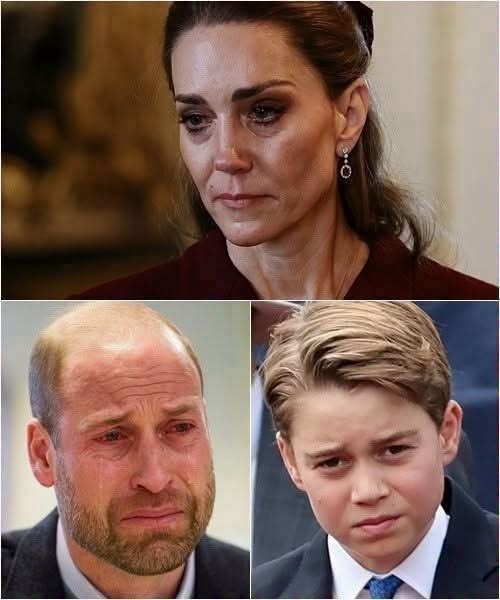
Sometimes, just two words can reveal an emotion that a long public speech never could. At a reception dedicated to cancer research, a brief exchange involving Catherine, Princess of Wales, reportedly offered a personal glimpse into the importance of companionship during difficult moments. The occasion brought together people connected by experiences of illness, recovery, advocacy, and the support that families often depend on when life takes an unexpected turn.
According to reports from the June 2, 2026, reception at St James’s Palace, Irish singer Ronan Keating spoke with Catherine and mentioned that he wished Prince William could have been there. William was carrying out royal duties elsewhere and was unable to attend. Catherine’s response was brief: “Me too.”
Those two words were simple, but they gave the conversation a personal quality. Rather than making a grand statement, Catherine appeared to express that she would have liked her husband beside her at the event. It was a small, affectionate moment in an evening otherwise focused on a serious public cause. It also offered a reminder that, behind royal appearances and official responsibilities, personal relationships remain an important part of everyday life.
The subject of cancer has particular significance for Catherine. In March 2024, she publicly announced that she had been diagnosed with cancer and was undergoing treatment. Later that year, in September, she confirmed that she had completed chemotherapy. In January 2025, she announced that her cancer was in remission. Her experience brought a deeply personal dimension to an event centered on cancer research and the people affected by the disease.
Her reported response to Keating should not be treated as an explanation of every private detail of her marriage or family life. It was simply a brief expression of missing her husband at an important gathering. Yet moments like this can resonate because they reflect something familiar: when someone has faced a difficult period, the presence of a loved one can carry enormous emotional importance.
Another conversation during the reception added a further layer of meaning. Catherine reportedly spoke with Sebastien Bowen, the husband of the late cancer campaigner Dame Deborah James. Bowen thanked her for the kindness Prince William had shown toward their family. His words brought attention to a different but closely connected experience: the lasting impact that compassion and personal support can have on families dealing with serious illness and loss.
Dame Deborah James became widely known for her work raising awareness about bowel cancer and for speaking openly about her own experience. Her advocacy helped bring difficult conversations into the public eye, while her family continued to live with the consequences of her illness and death. For Bowen, remembering the kindness shown by William was a way of acknowledging support that had mattered to them during an exceptionally difficult chapter.
Placed alongside Catherine’s exchange with Keating, the conversation carried a quiet emotional significance. One moment reflected the absence of a partner whose presence was missed. The other recalled kindness shown to a family navigating illness and bereavement. Neither required dramatic words or a public declaration to communicate why companionship matters.
The reception was ultimately about cancer research, awareness, and the people whose lives have been affected by the disease. But the personal exchanges reportedly shared that evening also highlighted something that statistics and official speeches cannot always capture: illness touches entire families, not just the person receiving treatment. It changes routines, creates uncertainty, and makes the support of loved ones especially meaningful.
For those facing a diagnosis, recovering from treatment, or remembering someone they have lost, small acts of kindness can remain important long after a particular moment has passed. A partner’s presence, a thoughtful conversation, or the reassurance that someone has not forgotten a family’s struggle can offer comfort in ways that are difficult to measure.
In the end, Catherine’s two-word response and Bowen’s expression of gratitude pointed toward the same simple idea. During life’s most challenging moments, love and companionship are often communicated quietly. Sometimes, a few words are enough to remind people just how much that support can mean.