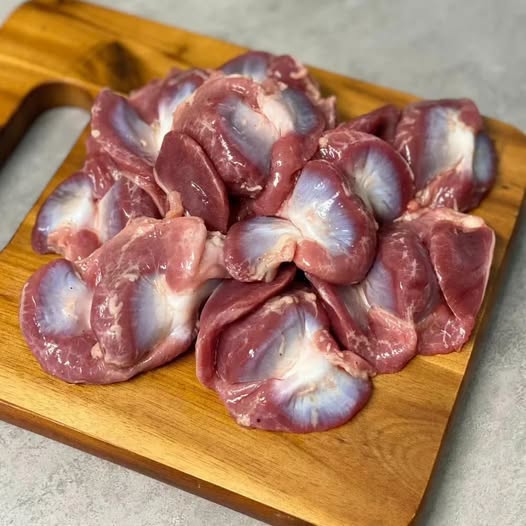
The cheapest cut at the meat counter might actually be the one you have been overlooking all along. Chicken gizzards may not be the first thing that comes to mind when planning a delicious family meal, and their unusual name is enough to make some shoppers hesitate before giving them a chance. However, beneath their reputation as an undesirable organ meat is an affordable, nutritious ingredient with considerably more culinary potential than many people realize. For generations, chicken gizzards have been used in traditional kitchens around the world, transformed into comforting stews, flavorful soups, crispy fried dishes, and satisfying homemade meals. They are often considerably cheaper than chicken breasts, thighs, or other popular cuts, making them particularly appealing to households looking to stretch their grocery budgets without sacrificing protein. The secret to enjoying them, however, comes down to understanding what they are, how to prepare them properly, and why patience during cooking makes such an important difference.
Chicken gizzards are muscular organs that play an essential role in a bird’s digestive system. Unlike ordinary muscle cuts that people commonly purchase at the supermarket, the gizzard has a specialized function: it helps grind food into smaller pieces before digestion continues. Because this organ works continuously, its muscle tissue is naturally firm and dense, which explains why it requires a different cooking approach from tender chicken breast or thighs. Rather than being worthless scraps or leftover pieces, gizzards are a genuine food ingredient that has been enjoyed in many cultures for centuries. They are especially popular in parts of the American South, where cooks season, bread, and fry them until the outside becomes golden and crisp while the inside develops a rich, savory flavor. In other parts of the world, they are slowly simmered with onions, garlic, tomatoes, herbs, and spices to create hearty dishes that are both filling and economical.
One of the biggest reasons chicken gizzards deserve more attention is their nutritional value. A serving of approximately three ounces can provide around 20 grams of protein, although the exact amount varies depending on preparation and serving size. Protein plays an important role in maintaining muscle tissue, supporting normal body functions, and helping the body repair itself. Gizzards also contain relatively little fat when prepared without excessive oil, making them an interesting alternative to some higher-fat meat options. In addition to protein, they provide several important nutrients, including vitamin B12, iron, zinc, and selenium. Vitamin B12 supports normal nerve function and red blood cell production, while iron contributes to oxygen transportation throughout the body. Zinc and selenium also participate in several important processes that help maintain normal immune function and protect cells.
Another advantage is their affordability. While the prices of many familiar meat products can fluctuate considerably, chicken gizzards are often sold at a lower price than more popular poultry cuts. For families trying to manage weekly food expenses, this difference can make a meaningful contribution to the grocery budget. Instead of spending more money on expensive cuts, shoppers can purchase gizzards and turn them into several different meals using ingredients they may already have in the kitchen. A simple combination of onions, potatoes, carrots, garlic, and basic seasonings can produce a filling dinner without requiring expensive ingredients. Their ability to absorb flavors during slow cooking also makes them especially useful in recipes where spices, sauces, and aromatic vegetables play an important role.
Despite these benefits, the biggest challenge for many first-time eaters is their texture. Chicken gizzards are naturally tougher than most familiar chicken cuts, and cooking them too quickly can leave them unpleasantly chewy. This is often the reason people try them once and decide they do not like them. However, the problem is frequently not the ingredient itself but the cooking method. Unlike tender poultry meat, gizzards benefit from a longer cooking process that gradually softens their dense muscle fibers. For anyone preparing them for the first time, gentle simmering is one of the easiest and most dependable methods. After cleaning and trimming away any unwanted tough or yellowish tissue, place the gizzards in a pot of water or broth with onions, garlic, salt, pepper, and other preferred seasonings. Allow them to cook slowly until they become fork-tender. Depending on their size and preparation, this process can take an hour or even longer.
Once they have softened, the possibilities become much more interesting. They can be sliced into smaller pieces and added to homemade soups, where they contribute a deep, savory flavor. They can also be mixed with vegetables and gravy to create a comforting stew, or transferred to a hot skillet with butter, onions, and seasonings for a simple but satisfying dish. People who enjoy crispy foods can also coat previously tenderized gizzards in seasoned flour or breadcrumbs before frying them briefly until the exterior becomes golden and crunchy. This two-step approach helps prevent the common problem of having a beautifully browned outside while the inside remains unpleasantly tough. For those who prefer less oil, a skillet or oven-based preparation can provide plenty of flavor without relying on deep-frying.
Food safety is another important consideration when preparing chicken gizzards. As with other poultry products, they should be handled carefully, kept refrigerated before cooking, and prepared using clean utensils and surfaces. They should reach an internal temperature of at least 165°F to ensure they are safe to eat. Although longer simmering is often necessary to achieve a tender texture, the recommended safe internal temperature remains an important guideline. It is also worth remembering that deep-frying or adding large amounts of butter and oil can significantly increase the overall fat and calorie content of the finished meal. People who want to keep their dishes lighter can experiment with simmering, baking, or sautéing instead.
There are also a few nutritional considerations worth keeping in mind. Chicken gizzards contain dietary cholesterol and purines, substances that may be relevant for individuals managing certain health conditions, including high cholesterol or gout. This does not mean everyone needs to avoid them, but people with specific dietary restrictions should follow advice suited to their individual circumstances. As with any food, portion sizes and the overall balance of the diet matter more than simply labeling one ingredient as completely good or bad.
Ultimately, chicken gizzards are a reminder that some of the most affordable ingredients at the grocery store can offer considerably more value than their appearance or reputation suggests. They provide protein, important micronutrients, and plenty of possibilities for creative home cooking, all while often costing less than more familiar cuts of chicken. Their firm texture may require a little extra preparation, but with proper cleaning, patient cooking, and the right combination of seasonings, they can become a flavorful and satisfying part of a regular meal. For shoppers willing to look beyond familiar choices, this inexpensive cut may be one of the smartest ways to bring variety to the dinner table while keeping grocery expenses under control.