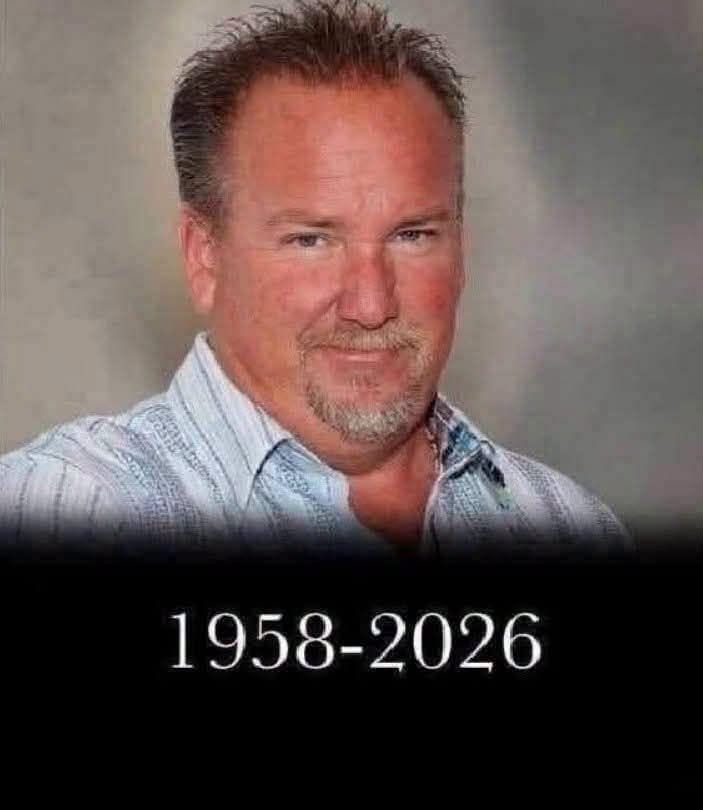
The news of Rob Hirst’s death marked a heartbreaking moment for the music world, particularly for generations of fans who had followed his journey with the Australian rock band Midnight Oil. When the band confirmed on January 20, 2026, that its founding drummer had died at the age of 70 following a battle with pancreatic cancer, tributes began pouring in from musicians, friends, and fans around the world. The announcement brought an outpouring of grief for an artist whose music had become deeply connected to people’s memories, experiences, and beliefs.
For many listeners, Hirst was much more than the drummer behind a famous rock band. His powerful performances helped give Midnight Oil its unmistakable sound, while his songwriting contributed to some of the group’s most memorable and socially conscious songs. His work connected music with issues such as environmental protection, Indigenous rights, political responsibility, and social justice. Through his rhythms and lyrics, he helped create songs that encouraged audiences not only to listen but also to think about the world around them.
## The Heartbeat Behind Midnight Oil
Hirst was one of the founding members of Midnight Oil, a band formed in Sydney in 1972. Over the following decades, the group developed a distinctive musical identity built around energetic performances, powerful lyrics, and a willingness to address difficult subjects. Hirst’s drumming became one of the central elements of that identity.
His playing was known for its intensity, precision, and ability to drive a song forward. On stage, he brought an enormous amount of energy to the band’s performances, helping create the powerful atmosphere that became a defining feature of Midnight Oil concerts. His contribution went beyond keeping time. He helped shape the emotional force of the music.
He was also an important songwriter, contributing to tracks that became part of the band’s international legacy. Songs such as Beds Are Burning, The Dead Heart, Blue Sky Mine, and Forgotten Years demonstrated how Midnight Oil could combine memorable rock music with messages about real-world issues.
## Music That Carried a Message
One of the reasons Hirst’s work remained so meaningful was the band’s willingness to confront subjects that other artists sometimes avoided. Midnight Oil built much of its reputation around music that challenged listeners to consider political decisions, environmental damage, inequality, and Australia’s relationship with its Indigenous communities.
For Hirst, songwriting was not simply about creating entertaining melodies. It was also an opportunity to communicate ideas and encourage conversations. His contributions helped give the band’s music a sense of urgency, making its performances feel connected to something larger than the entertainment itself.
The international success of Beds Are Burning brought particular attention to the band’s message about Indigenous land rights. Other songs addressed environmental concerns and the consequences of industrial development. These subjects helped Midnight Oil develop an identity that extended beyond the traditional boundaries of rock music.
## A Career That Continued Beyond the Stage
Even after Midnight Oil temporarily stopped performing in 2002, Hirst remained active in music. He explored other projects, including Ghostwriters and Backsliders, while continuing to collaborate with fellow musicians. The band’s reunion in 2016 gave fans another opportunity to experience its music live.
Midnight Oil eventually released its final studio album, Resist, in 2022, followed by a farewell tour. The group’s final concert took place in Sydney on October 3, 2022, bringing an important chapter in Australian rock history to a close.
However, Hirst’s creative life did not end with the band’s final performance. He continued writing, recording, and exploring new musical ideas, even as his health deteriorated. His determination to remain involved in music demonstrated how deeply songwriting and creativity were connected to his identity.
## His Battle With Pancreatic Cancer
Hirst was diagnosed with pancreatic cancer in 2023, several months after Midnight Oil completed its final concert. He later spoke openly about the difficult treatments and medical challenges he faced. Despite undergoing extensive treatment, he continued to work on music and remained connected to the creative world that had shaped his life.
His illness also influenced his later songwriting. Some of his final musical projects reflected on mortality, the passage of time, and the meaning of a life spent creating music. Rather than abandoning his artistic work, he continued expressing himself through songs, even when performing on his familiar drum kit became increasingly difficult.
Hirst died peacefully surrounded by loved ones, according to the statement released by Midnight Oil. The band asked those wishing to honour his memory to consider supporting organizations involved in pancreatic cancer research and assistance for people working in the music industry.
## A Legacy That Will Continue Through His Songs
Hirst’s influence can be measured through decades of performances, recordings, songwriting, and the musicians he inspired. His work helped establish Midnight Oil as one of Australia’s most recognizable and influential rock bands, while its music reached audiences far beyond the country where it began.
For fans, songs such as Beds Are Burning and The Dead Heart will continue to bring back memories of concerts, important moments, and the messages that made the band’s music distinctive. His drumming gave those songs their force, while his songwriting helped ensure that their meaning would continue to resonate with future generations.
His family and bandmates are also helping preserve his creative legacy through his posthumous book, World Is Almost at Peace: A Lifetime of Songwriting for Midnight Oil and More. The project was largely completed before his death and was finished with assistance from his daughter Lex and other people close to him. It offers a closer look at the songs, experiences, and ideas that shaped his long career.
Ultimately, Rob Hirst leaves behind more than a collection of recordings or memories of extraordinary concerts. He leaves a body of work that connected rhythm with purpose and rock music with meaningful questions about society. His death brought sadness to countless people, but the songs he helped create will continue to speak long after the final applause has faded.
His life reminds us that an artist’s influence is not measured only by the years spent on stage. Sometimes it is measured by how long their music remains part of people’s lives. For Rob Hirst, that legacy will continue through the unmistakable sound of Midnight Oil and the generations of listeners who found something meaningful in its songs.