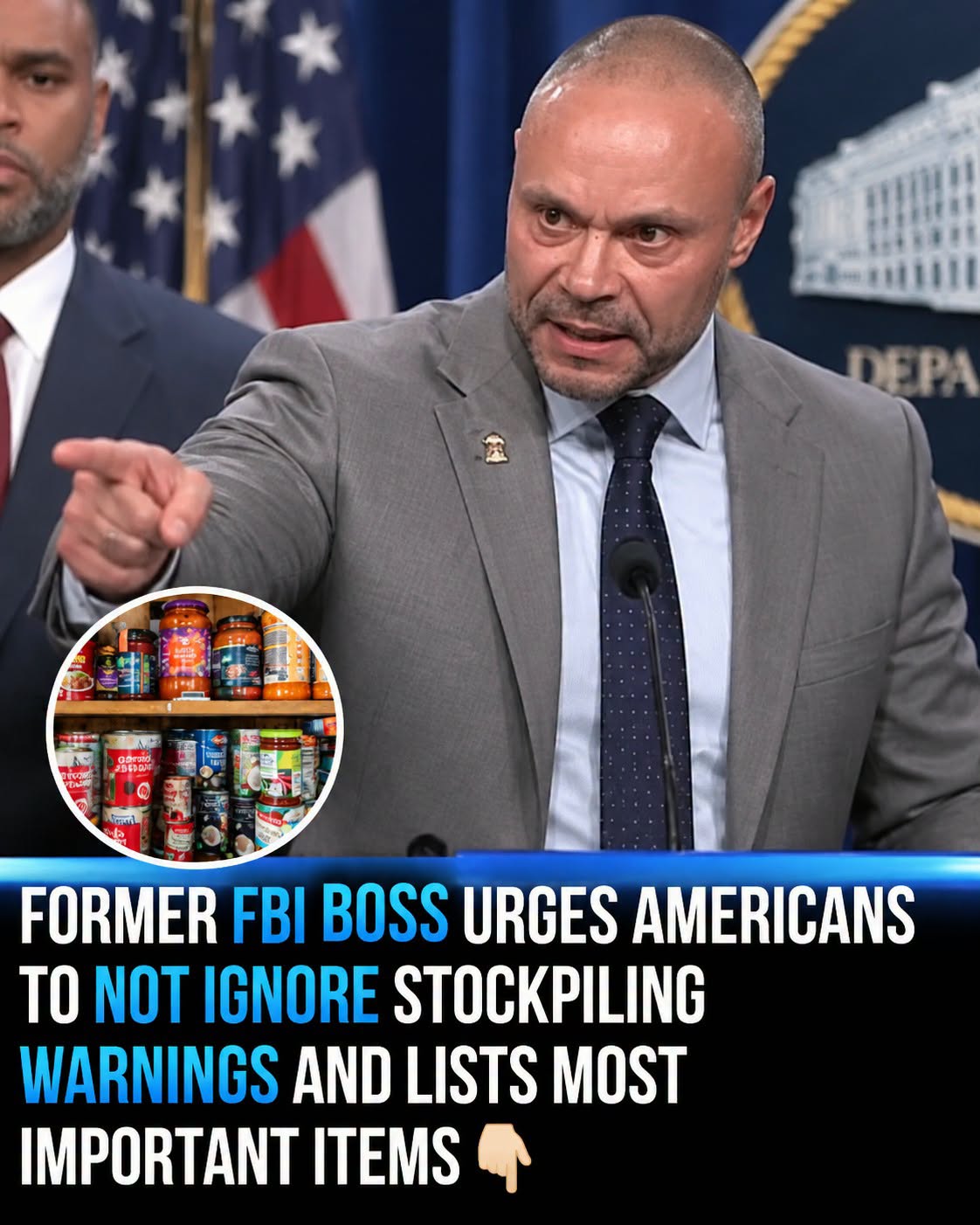
Former FBI Boss Urges Americans to Stockpile Food – Lists Urgent Items
A warning about emergency preparedness has drawn attention in the United States after a former senior FBI official urged Americans to make sure their households have enough food and essential supplies to withstand potential emergencies.
The advice comes amid growing concerns about possible power outages, water supply disruptions and interruptions to essential supply chains.
The message encourages Americans to prepare in advance rather than wait until an emergency occurs.
What Essential Items Should Americans Stockpile?
The recommended emergency supplies include:
Canned food: Beans, vegetables, meat and other long-lasting products.
Rice and pasta: Basic food staples that can be stored for extended periods.
Drinking water: Enough bottled water for every member of the household.
Water purification supplies: Portable filters and purification tablets.
Emergency radios: Battery-powered or hand-crank radios to receive updates during power outages.
Flashlights and batteries: Essential lighting equipment for emergencies.
Portable power banks: To keep mobile phones and other small devices charged.
First-aid kits: Basic medical supplies for treating injuries.
Essential medications: A reserve of regularly used medicines whenever possible.
How Much Food and Water Should Families Store?
US emergency preparedness guidance recommends keeping at least three days’ worth of food and drinking water at home.
The recommended amount of water is approximately one gallon (3.8 litres) per person per day.
Households that have the space and financial means are encouraged to build larger reserves that could last for up to two weeks.
Supplies should also be checked regularly, with older products used first and replaced with fresh stock.
Is a Major Emergency Expected?
Calls for emergency stockpiling do not necessarily mean that a major disaster is imminent.
Preparing for natural disasters, electricity outages and temporary disruptions to food and water supplies is a standard emergency preparedness measure.
The main message is simple: Americans are being encouraged to stay prepared, avoid panic buying and gradually build a household emergency supply of essential food, water and medical products.