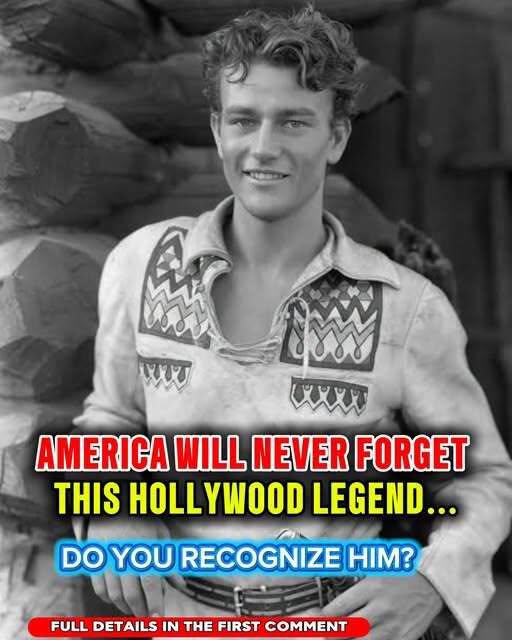
For generations of movie fans, John Wayne represented one of the most recognizable figures in American cinema. Known to audiences as “The Duke,” he built a lasting reputation through westerns, war films, and stories featuring characters who faced difficult challenges with determination. Behind the familiar cowboy image was a man whose life included career setbacks,…
John Wayne: The Hollywood Legend Whose Final Years Brought a Personal Battle With Cancer
Posted onOctober 29, 2026 ByadminNo Commentson John Wayne: The Hollywood Legend Whose Final Years Brought a Personal Battle With Cancer
For generations of movie fans, John Wayne represented one of the most recognizable figures in American cinema. Known to audiences as “The Duke,” he built a lasting reputation through westerns, war films, and stories featuring characters who faced difficult challenges with determination.
Behind the familiar cowboy image was a man whose life included career setbacks, family responsibilities, ambitious film projects, and a serious battle with cancer. His final years brought a different perspective to the public image that had defined much of his career.
Although Wayne died in 1979, his films continue to attract audiences, and his influence remains an important part of Hollywood history.
1. A Lasting Figure in American Cinema
John Wayne became one of Hollywood’s most recognizable leading men through decades of work in film. His distinctive voice, confident screen presence, and frequent appearances in westerns helped establish an image that audiences readily associated with the American frontier.
His characters often portrayed determination, independence, loyalty, and a willingness to confront danger. These qualities became central to his screen persona, although his performances also included humor, uncertainty, and emotional complexity.
Wayne’s legacy extends beyond the popularity of individual films. He became closely associated with a particular period in American filmmaking, when westerns played a major role in popular entertainment.
2. His Early Life and Childhood
Wayne was born Marion Robert Morrison on May 26, 1907, in Winterset, Iowa. His parents were Clyde Leonard Morrison and Mary “Molly” Brown.
During his childhood, his family moved to California, where he grew up and developed an interest in sports. Football became especially important to him, and he eventually attended the University of Southern California.
At that stage of his life, a future in Hollywood was not necessarily the obvious path. His athletic interests initially shaped his ambitions, but circumstances eventually led him toward the film industry.
The young man who began his career around movie sets would go on to become a leading figure in American cinema.
3. How He Became Known as “The Duke”
The nickname “Duke” originated during Wayne’s childhood. According to the commonly told account, he was often seen with a family dog named Duke, and people began using the name when referring to the boy as well.
Over time, the nickname stayed with him. When he became famous, “The Duke” developed into a familiar name for fans and colleagues.
Although his professional name was John Wayne, the nickname became closely connected to his public identity. It reflected the distinctive image that followed him throughout his career and helped make him recognizable beyond the screen.
4. An Athletic Dream That Took a Different Direction
Wayne attended the University of Southern California on a football scholarship and hoped to pursue a future in sports.
However, a shoulder injury ended his football scholarship and changed his plans. With his athletic ambitions disrupted, he began looking for other opportunities.
His connection to the film industry grew through work behind the scenes, including jobs involving props and production. These early experiences introduced him to the practical side of filmmaking and helped him establish professional relationships.
What initially appeared to be a setback eventually became a turning point, leading him toward a career that would span several decades.
5. His First Steps in Hollywood
During the late 1920s, Wayne worked in supporting roles and behind-the-scenes positions while learning about the industry.
One of the most important relationships he developed was with director John Ford. The two would collaborate on several influential films, helping shape Wayne’s screen identity.
In 1930, Wayne received a leading role in The Big Trail. Although the film did not become the major commercial success its producers had hoped for, it gave him valuable experience and an opportunity to demonstrate his potential as a leading actor.
His rise to fame was not immediate. He continued working through the 1930s, building experience before receiving the role that would significantly change his career.
6. The Film That Changed His Career
The release of Stagecoach in 1939 marked a major turning point for Wayne.
Directed by John Ford, the western featured Wayne as the Ringo Kid, an outlaw traveling through dangerous frontier territory. His performance attracted attention and helped establish him as a major Hollywood star.
The film also became an important work in the development of the western genre. Its storytelling, ensemble cast, and use of landscape helped influence later productions.
For Wayne, Stagecoach opened the door to more prominent roles and strengthened his association with western films.
7. The Actor Who Became Associated With Westerns
During the 1940s and 1950s, Wayne appeared in numerous films that helped define his familiar screen persona.
Among these were Red River (1948), The Searchers (1956), and Rio Bravo (1959). Each film presented different situations and characters, allowing Wayne to work within the western genre while exploring varied dramatic conflicts.
His screen roles often emphasized strength and independence, but his most memorable performances were not limited to physical toughness. They also involved difficult choices, personal loyalties, and conflicts that challenged the characters he portrayed.
Wayne’s work during this period helped secure his place among the major stars of classic Hollywood.
8. Memorable Films Beyond the Western Genre
Although westerns formed a major part of his career, Wayne also appeared in war films, historical dramas, and other productions.
His notable films included Fort Apache (1948), Sands of Iwo Jima (1949), The Quiet Man (1952), The Man Who Shot Liberty Valance (1962), and The Longest Day (1962).
These productions introduced audiences to different aspects of his screen presence. Whether portraying a soldier, lawman, or man facing a difficult personal decision, Wayne brought a recognizable style to his performances.
His long career helped him reach audiences across multiple generations and genres.
9. His Ambitious Project, The Alamo
One of Wayne’s most ambitious undertakings was The Alamo, released in 1960.
He produced, directed, and starred in the historical film, portraying frontiersman Davy Crockett. The story focused on the 1836 Battle of the Alamo in Texas, an event that held a prominent place in American historical memory.
The production demanded substantial resources and effort. Wayne’s involvement went beyond acting, requiring him to take on major responsibilities behind the camera as well.
The film received a mixed response, but it remained a significant project in his career. It demonstrated his interest in historical subjects and his willingness to take on large-scale productions.
10. The Academy Award for True Grit
In 1969, Wayne received his first and only competitive Academy Award for Best Actor for his role in True Grit.
He portrayed Rooster Cogburn, a tough, one-eyed U.S. marshal who helps a young girl pursue the man responsible for her father’s death.
The character allowed Wayne to combine humor and toughness with moments of vulnerability. The performance became one of the defining roles of his later career.
The award arrived after decades of work in Hollywood and recognized a performance that reached audiences beyond his established western fan base.
11. Family Life Away From the Cameras
Away from film sets, Wayne’s life included relationships and family responsibilities. He married three times and had seven children: Michael, Toni, Patrick, Melinda, Aissa, Ethan, and Marisa.
His public image was larger than life, but his private world included ordinary family activities and personal interests.
Wayne also enjoyed spending time on the water aboard his boat, the Wild Goose. Boating and fishing offered opportunities to step away from the demands of film production and public appearances.
As with many people whose careers attract intense attention, his public identity represented only one part of his life.
12. Patriotism and Military Films
Wayne was known for his outspoken patriotism and his support for American military personnel. He participated in activities associated with the United Service Organizations and later appeared in films featuring military themes.
Among these were Sands of Iwo Jima and The Green Berets (1968).
His political views attracted both support and criticism, making him a sometimes controversial figure outside the film industry. His screen portrayals of servicemen, however, remained a prominent part of his filmography.
His career illustrates how entertainment and public identity can become closely connected, particularly when an actor repeatedly portrays characters associated with national history and military service.
13. His Battle With Cancer
In 1964, Wayne was diagnosed with lung cancer. Doctors removed his left lung and several ribs, and he later returned to acting.
His recovery attracted public attention, partly because of his status as a major Hollywood star. Wayne spoke openly about his experience and encouraged people to take cancer seriously.
Returning to work after major surgery was an important chapter in his life, but his health challenges did not end there.
Years later, he developed stomach cancer. The illness ultimately led to his death in June 1979.
His experience became part of his public story, separate from the fictional characters through which audiences had come to know him.
14. His Final Film: The Shootist
Wayne’s final starring film was The Shootist, released in 1976.
He played J.B. Books, an aging gunfighter who learns that he has a terminal illness and hopes to spend his remaining time peacefully. The film also featured Lauren Bacall, Ron Howard, and Jimmy Stewart.
Its themes of aging, mortality, dignity, and facing an uncertain future gave the performance a particular resonance. Wayne’s character was confronting the end of his life, while the actor himself had experienced serious health problems years earlier.
The similarities between the film’s subject matter and aspects of Wayne’s own life have contributed to the lasting interest in the role.
On June 11, 1979, Wayne died at UCLA Medical Center in Los Angeles at the age of 72.
15. The Legacy He Left Behind
Wayne’s influence continued after his death. In 1980, he was posthumously awarded the Presidential Medal of Freedom, one of the United States’ highest civilian honors. His family also received the Congressional Gold Medal in recognition of his legacy.
His children later established the John Wayne Cancer Foundation, which supports cancer research and related programs.
Today, Wayne’s films remain part of Hollywood’s history. His performances continue to be discussed by film enthusiasts, while his screen persona remains closely associated with the classic American western.
His career also invites reflection on the difference between a public image and a private life. Audiences saw a confident and determined screen presence, but his personal history included setbacks, family relationships, health challenges, and the uncertainty that affects everyone.
Remembering John Wayne
John Wayne’s life brought together decades of filmmaking, a recognizable public persona, and a difficult final chapter marked by illness.
His work entertained generations of moviegoers and helped shape the western genre. His later health struggles added another dimension to the story of a man who had spent much of his life portraying characters who faced danger and hardship.
Although he died more than four decades ago, his films continue to reach new audiences. For many admirers, “The Duke” remains a memorable figure in classic American cinema, remembered for his performances and the enduring place he occupies in Hollywood history.