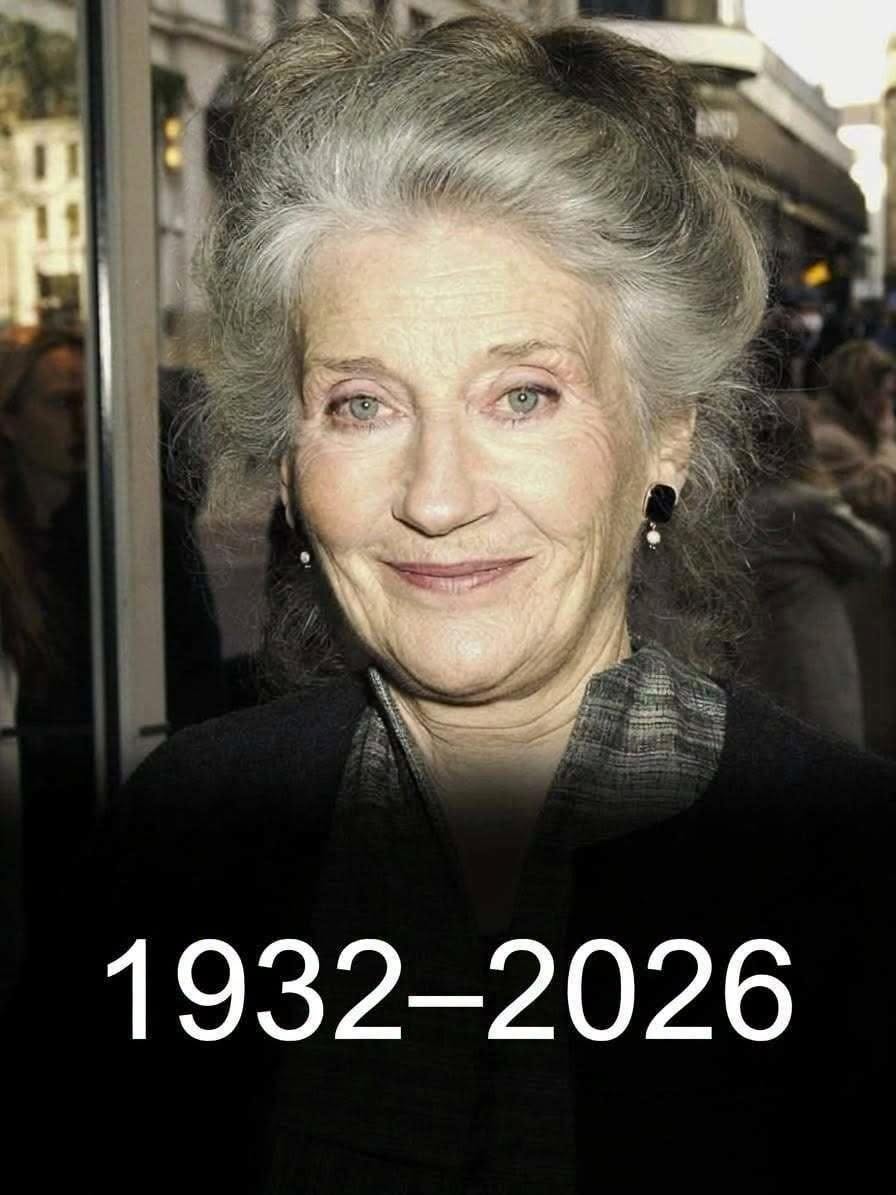
A beloved acting family faces a heartbreaking goodbye. According to the account, Phyllida Law died peacefully at home at 94 with loved ones beside her, closing a life devoted to performance and storytelling. Beyond the honours and decades on stage and screen stands a quieter legacy: the love shared with her daughters, grandchildren, and the heart of her fami
Law’s career stretched across film, theatre, and familiar British television, reflecting a creative life that embraced many forms of storytelling. She also became an author, bringing her talents to the page alongside her work as a performer. In 2014, she received an OBE for services to drama and charity, recognition of contributions that extended beyond entertainment. Those achievements form an enduring record of a life spent creating, contributing, and connecting with others.
The account of her passing places her family at the centre of her final chapter. She is survived by daughters Emma and Sophie Thompson, both actresses, and four grandchildren. Their place in her story offers a deeply personal counterpart to the honours and professional accomplishments. Her legacy encompasses both a substantial body of work and the relationships she nurtured: a public life audiences could appreciate, and a private one whose meaning belongs most intimately to those closest to her.
A life spent performing leaves more than a list of credits. Audiences may remember a face from a familiar television program, a stage appearance that stayed with them, or a small moment in a film that made a character feel real. Law’s work across different forms of storytelling gave people many ways to encounter her talent. The variety described in the account is part of the reason a long creative career can reach beyond a single generation.
The move into writing added another dimension to that record. Acting brings a person into stories shaped with other performers and production teams, while a book offers a different way of communicating experience. Both belong to the broader creative life remembered here. The account places her authorship alongside her screen and theatre work, presenting a career that was not confined to one setting or one form of expression.
The OBE she received in 2014 recognized services to drama and charity. That combination points to contributions extending beyond individual performances. An honour can mark public appreciation, but it represents only one way of understanding a person’s work. The less formal memories carried by colleagues, readers, and audiences also become part of the record that remains after a career has ended.
For her daughters and grandchildren, the meaning of that life is more intimate. Emma and Sophie Thompson share a professional connection with their mother through acting, yet their relationship cannot be reduced to a shared occupation. The family described in the account knew the person behind the public performances. Their loss belongs to that private history as much as it belongs to the entertainment world.
Remembering both sides keeps the tribute grounded. The professional achievements explain why audiences recognized her, while the family relationships explain why the final goodbye carries a different weight for those closest to her. Neither replaces the other. Together they form the lasting legacy suggested by the source’s title: work that remains available to others, and love remembered by a family.