The Truth About the Aluminum Foil Toilet Tank Trick—and Whether It Works
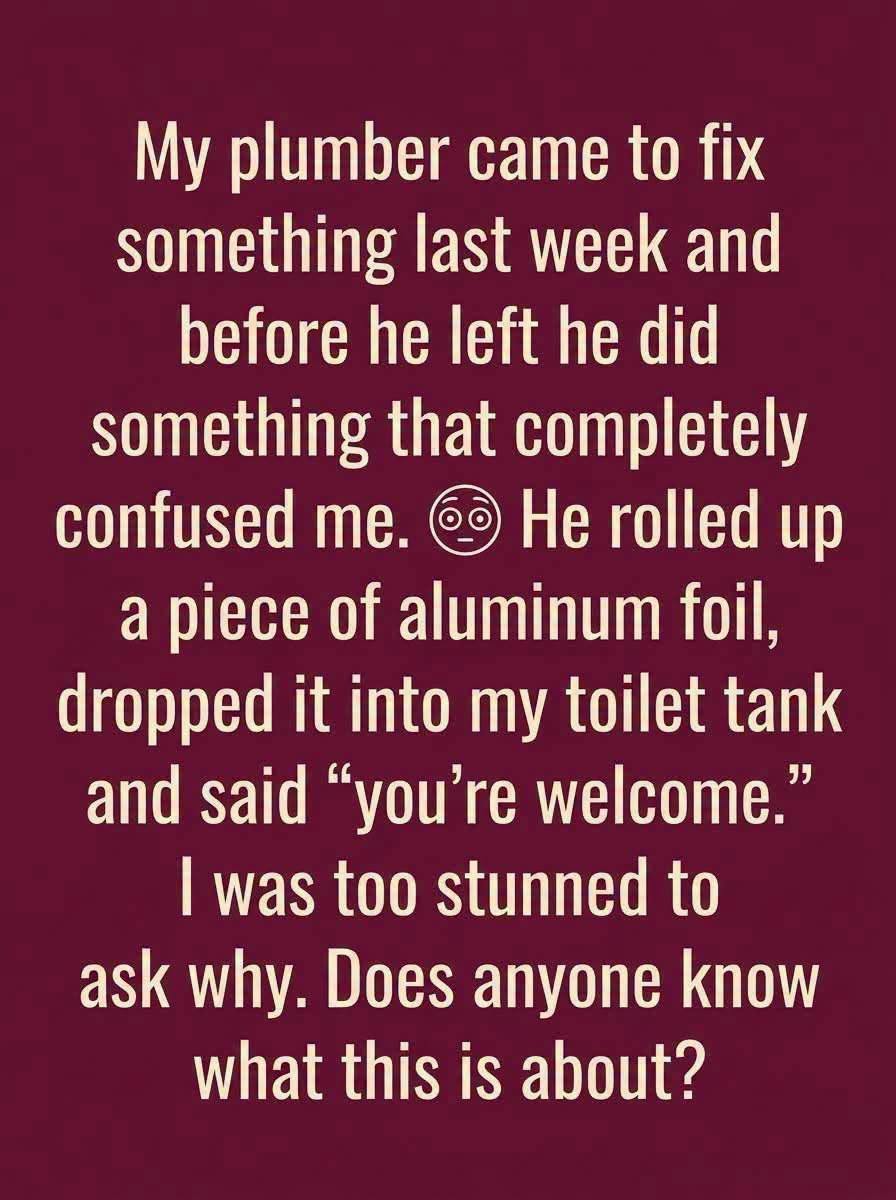
A simple household trick has been attracting attention among homeowners and cleaning enthusiasts: placing a piece of aluminum foil inside a toilet tank. Some claim that this inexpensive method can help keep a toilet cleaner, reduce stains, and even improve the appearance of the bowl without spending money on specialized cleaning products.
But is there any truth behind the claim, or is it just another internet cleaning hack that sounds better than it works?
The answer depends on what you expect the trick to accomplish. While aluminum foil has several practical uses around the home, its supposed benefits inside a toilet tank deserve a closer look before you try it yourself.
What Is the Aluminum Foil Toilet Tank Trick?
The idea is straightforward. People who recommend the trick suggest rolling aluminum foil into small balls or folding it into pieces and placing them inside the toilet tank.
Some versions of the claim suggest that the foil reacts with minerals in the water, helping reduce discoloration or prevent stains from developing in the toilet bowl.
Other versions claim that the foil can help keep the tank cleaner or reduce the need for frequent scrubbing.
Because aluminum foil is inexpensive and readily available, the idea can sound appealing. After all, many people would love to find an easy way to maintain a cleaner bathroom without buying additional products.
However, an important question remains: Is there reliable evidence that ordinary aluminum foil can deliver these results when placed inside a toilet tank?
Does Aluminum Foil Actually Clean a Toilet?
There is no good evidence that placing ordinary aluminum foil inside a toilet tank will reliably clean the toilet bowl or prevent stains.
To understand why, it helps to know what causes common toilet stains.
Mineral deposits often develop when water contains dissolved minerals, particularly calcium and magnesium. These minerals can accumulate over time, especially around areas where water evaporates or flows repeatedly.
Rust-colored marks may result from iron in the water or corrosion in plumbing components. Other discoloration can be associated with bacterial growth, organic material, or inadequate cleaning.
Aluminum foil does not function as a conventional toilet cleaner. It does not contain the cleaning agents used to dissolve mineral deposits, disinfect surfaces, or remove organic buildup.
Although aluminum can participate in chemical reactions under certain conditions, simply placing foil in a toilet tank does not establish a dependable chemical process that cleans the bowl.
In other words, the trick may sound scientific, but the claimed cleaning benefits have not been convincingly demonstrated.
Why Do Some People Believe It Works?
There are several reasons this household trick may seem convincing.
First, the foil is inexpensive and easy to use. People are naturally interested in methods that promise useful results without requiring special equipment or expensive products.
Second, toilet stains sometimes change naturally. Water chemistry, cleaning frequency, and changes in household water use can all influence how quickly deposits develop. If someone places foil in a tank and notices fewer stains afterward, it does not necessarily mean the foil caused the change.
Third, online cleaning tips are often repeated without clear evidence. A claim can become popular simply because it is easy to demonstrate or photograph, even when the underlying explanation is incomplete.
This is why it is useful to distinguish between a trick that has been shown to work under controlled conditions and one that is merely popular on social media.
Could Aluminum Foil Damage Your Toilet?
A small piece of aluminum foil may not immediately cause a problem, but placing loose foil inside a toilet tank is generally unnecessary and not recommended.
Toilet tanks contain several moving components, including the fill valve, float, flush valve, and rubber seals. Loose objects can interfere with these mechanisms if they move around or become lodged in an inconvenient location.
Aluminum can also react with certain chemicals, and its behavior depends on the surrounding conditions. Water chemistry, cleaning products, and contact with other metals can influence corrosion.
There is no reason to assume that a piece of foil will automatically destroy a toilet. However, because it offers no established cleaning advantage, introducing unnecessary material into the tank creates avoidable uncertainty.
The safest approach is to keep the tank free of loose objects and use products intended for toilet maintenance.
What About the Trick of Using Aluminum Foil to Remove Rust?
This is where the story becomes a little more complicated.
Aluminum foil is sometimes used in household cleaning, particularly when removing certain forms of surface rust from chrome-plated objects. Under suitable conditions, aluminum can participate in a reaction that helps loosen or alter some corrosion products.
However, that technique is different from placing foil inside a toilet tank.
A cleaning method that may work on a particular metal surface does not automatically work in a toilet’s water system. The materials, chemical conditions, and intended results are entirely different.
Furthermore, abrasive rubbing or inappropriate cleaning products can damage delicate finishes, so any cleaning method should be suitable for the specific surface being treated.
What Actually Works to Keep a Toilet Clean?
If your goal is to prevent stains and reduce scrubbing, there are several more dependable options.
1. Clean the Bowl Regularly
Use a toilet bowl cleaner appropriate for your toilet and follow the manufacturer’s directions. Regular cleaning helps prevent ordinary dirt and deposits from accumulating.
2. Address Hard-Water Deposits
If your toilet develops white, chalky, or brownish mineral buildup, hard water may be contributing to the problem.
Use a product designed to remove mineral deposits from toilet surfaces. Follow its instructions carefully, and never mix cleaning chemicals, particularly bleach with acidic cleaners.
3. Inspect the Tank if Stains Return Quickly
If the bowl repeatedly develops rust-colored marks, investigate the water supply and the condition of the toilet components.
Iron in the water, corrosion in plumbing, or deteriorating internal parts may contribute to recurring discoloration. If the problem persists, a plumber or water-treatment professional may help identify the cause.
4. Use Toilet-Tank Products Carefully
Some cleaning products are specifically designed for toilet tanks, but not every product is compatible with every toilet.
Certain chemicals can damage rubber seals and other internal components over time. Check the toilet manufacturer’s guidance before using in-tank tablets or additives, especially products containing bleach.
5. Maintain the Toilet’s Internal Components
If the tank contains sediment or the toilet is not flushing properly, inspect the components according to the manufacturer’s instructions. Turn off the water supply before performing maintenance and avoid damaging the fill valve or flush mechanism.
A properly maintained toilet is generally easier to keep clean than one with recurring mechanical or water-quality problems.
Can Aluminum Foil Save You Money on Cleaning Products?
The attraction of this trick is understandable. Aluminum foil is inexpensive, and many households already have it in the kitchen.
But a cheap method is not necessarily an effective one.
If the foil does not prevent mineral deposits, remove stains, or reduce cleaning requirements, it offers little practical value for toilet maintenance.
A suitable toilet cleaner, regular brushing, and attention to the cause of recurring stains are more reliable ways to keep the bowl looking clean.
In some cases, identifying a water-quality issue may save more time and money than repeatedly trying different cleaning hacks.
The Verdict: Is the Aluminum Foil Toilet Tank Trick Worth Trying?
The aluminum foil toilet tank trick is an example of a household tip that sounds simple but lacks convincing evidence for its main claims.
Ordinary aluminum foil is not a proven method for cleaning a toilet bowl, preventing mineral stains, or disinfecting a toilet tank. Placing it in the tank is unlikely to provide a dependable benefit and may introduce unnecessary complications.
If you want a cleaner toilet, regular maintenance and products designed for the job remain the better choices.
The next time you see a viral cleaning trick promising extraordinary results with an everyday household item, ask three questions:
Is there a plausible explanation for how it works?
Is there reliable evidence that it delivers the claimed result?
Could trying it damage the item I am trying to maintain?
Those questions can help you separate useful household advice from tricks that are better left untested.
Sometimes, the best cleaning hack is not an unusual object hidden inside your toilet tank. It is understanding what causes the problem and choosing a solution that actually addresses it.