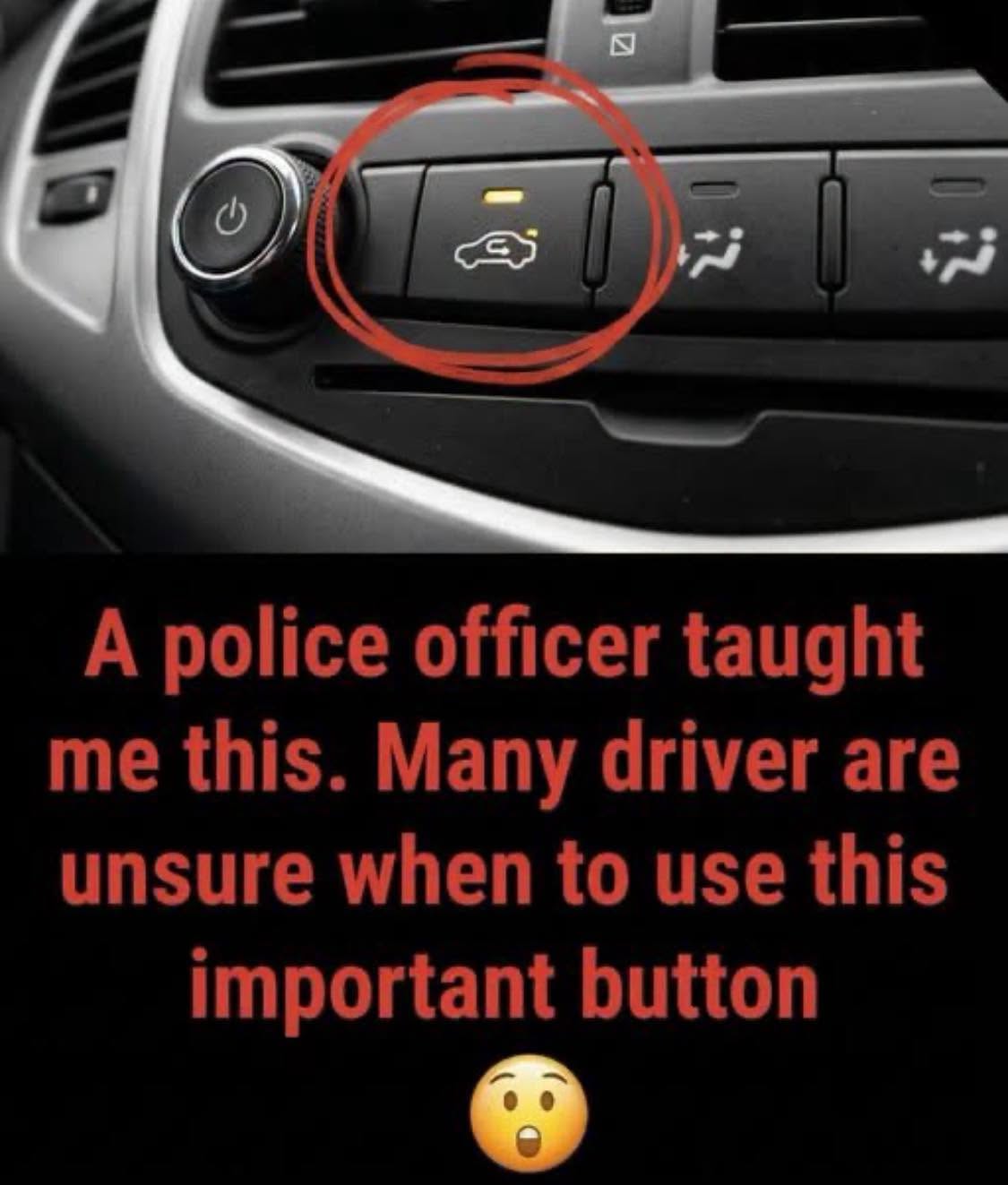
A small button on your car’s dashboard could make a surprising difference in how comfortable your next drive feels. You’ve probably noticed it dozens of times without giving it much thought. Its symbol usually shows a car with a curved arrow inside, sitting quietly among the heating and air-conditioning controls. Some drivers press it every day, while others have owned their vehicles for years without understanding its purpose. On a scorching summer afternoon, your air conditioner might struggle to cool the cabin, even when the fan is running at full speed. During heavy traffic, unpleasant odors can suddenly fill your…
A small button on your car’s dashboard could make a surprising difference in how comfortable your next drive feels. You’ve probably noticed it dozens of times without giving it much thought. Its symbol usually shows a car with a curved arrow inside, sitting quietly among the heating and air-conditioning controls. Some drivers press it every day, while others have owned their vehicles for years without understanding its purpose. On a scorching summer afternoon, your air conditioner might struggle to cool the cabin, even when the fan is running at full speed. During heavy traffic, unpleasant odors can suddenly fill your vehicle. What many people don’t realize is that this overlooked button can help with both situations—but using it at the wrong time can create an entirely different problem.
Imagine driving home after a long afternoon, with the sun beating against your windshield and traffic barely moving. You adjust the temperature, increase the fan speed, and wait for relief, but the air still doesn’t feel comfortable. Then you notice that little circular-arrow symbol. Pressing it may change how quickly your vehicle cools down, and it can even help limit certain outside odors. However, automotive ventilation systems have an important limitation that many drivers discover only after their windows begin fogging up. So what exactly happens when you press this button, and why do experts recommend turning it off in certain conditions?
The answer lies in how your vehicle manages airflow. That small symbol controls the air recirculation system, which determines whether your heating and air-conditioning equipment draws fresh air from outside or reuses air already inside the cabin. When recirculation is activated, an internal flap restricts outside airflow, allowing the air conditioner to cool previously cooled cabin air instead of constantly processing hot outdoor air. This can make cooling more efficient during summer traffic and temporarily reduce exposure to unpleasant smells, dust, and vehicle exhaust. However, continuously recirculating air can allow moisture and carbon dioxide to accumulate inside the vehicle, particularly when several passengers are present. During cold or rainy weather, excess humidity can fog the windshield and reduce visibility. That is why switching to outside-air mode and using the windshield defroster is generally the better choice when condensation develops. Unlike an insurance policy or a major vehicle investment, this simple feature costs nothing extra to use, yet understanding it can improve everyday driving comfort.
The easiest approach is to adjust the setting according to the conditions rather than leaving it activated all the time. On extremely hot days, briefly opening the windows to release trapped heat before turning on the air conditioner and recirculation can help cool the interior faster. When passing through dusty areas or heavy exhaust fumes, recirculation can temporarily limit the amount of outside air entering the cabin, although it cannot eliminate every pollutant. On longer journeys, periodically allowing fresh air inside can help prevent the cabin from feeling stale. Drivers should also check their cabin air filter, which commonly requires replacement around every 12,000–15,000 miles, although the correct interval depends on the vehicle and driving conditions. The most important detail is surprisingly simple: use recirculation when you need faster cooling or temporary protection from unpleasant outside air, but switch it off when your windows fog or the cabin needs fresh ventilation. That little dashboard button isn’t meant to stay on forever—and knowing when to change it can make your next drive noticeably more comfortable.