Colonoscopy: The Key Question You Should Ask Your Doctor Before the Procedure
A colonoscopy is one of the most important medical procedures for examining the large intestine and detecting potential health problems, including colorectal cancer. Although many people feel nervous before undergoing the examination, understanding what to expect and preparing properly can make the experience much easier.
Before scheduling or undergoing a colonoscopy, there is one important question worth asking your doctor:
“What is my personal risk of colorectal cancer, and how will the results of this colonoscopy affect my future screening and treatment?”
This question can help you understand why the procedure is recommended, what your doctor is looking for, and what the next steps might be.
Why Is a Colonoscopy Important?
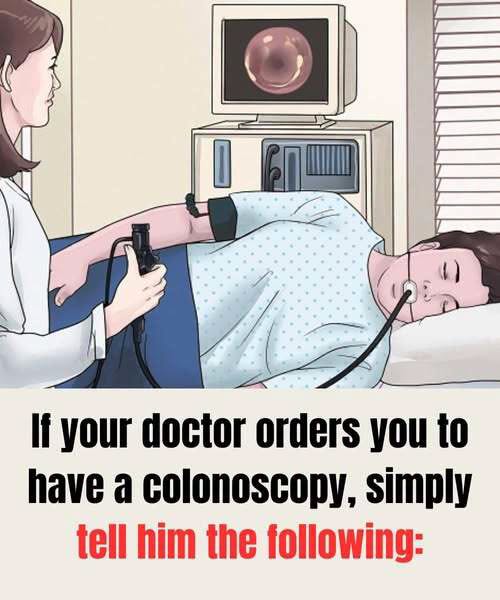
A colonoscopy allows a healthcare professional to examine the lining of the colon and rectum using a thin, flexible tube equipped with a camera.
The procedure can help identify abnormalities such as inflammation, bleeding, polyps, and signs of colorectal cancer. If a polyp is discovered, the doctor may be able to remove it during the examination and send it to a laboratory for analysis.
This is particularly important because some colorectal cancers develop from polyps over time. Detecting and removing certain polyps can help reduce the risk of developing cancer.
Colonoscopy may be recommended for routine screening, investigating symptoms, or monitoring people with a history of polyps or other conditions that increase their risk.
The Question About Preparation You Should Not Overlook
Another essential question to ask is:
“What exactly should I do to prepare, and which of my usual medications should I take or temporarily adjust?”
Preparation is a critical part of a successful colonoscopy. Your doctor needs a clear view of the intestinal lining, and stool remaining in the colon can make it more difficult to identify small polyps or other abnormalities.
Most patients are instructed to follow specific dietary restrictions and take a prescribed bowel-cleansing preparation before the procedure.
Your doctor should explain:
When to stop eating solid foods and which liquids are permitted.
How and when to take the bowel preparation.
Whether medications for diabetes, blood pressure, or other conditions need adjustments.
What to do if you take blood thinners or iron supplements.
Never stop or change prescribed medication without medical guidance. Blood thinners and diabetes medications, in particular, may require an individualized plan.
What Happens During a Colonoscopy?
A colonoscopy commonly takes around 20 to 45 minutes, although the duration varies depending on what the doctor finds and whether additional procedures are needed.
Many patients receive sedation to help them relax and minimize discomfort. During the examination, the doctor carefully guides the colonoscope through the large intestine and examines its lining.
If polyps or suspicious areas are identified, the doctor may remove tissue or take biopsies for laboratory testing.
Because sedation can affect alertness and coordination, patients are generally required to arrange transportation home and follow the facility’s instructions about driving and other activities afterward.
Who Should Consider Screening?
Screening recommendations depend on age, personal medical history, family history, and local guidelines.
In the United States, adults at average risk are generally advised to begin colorectal cancer screening at age 45. Screening may begin earlier for people with certain risk factors, including a strong family history of colorectal cancer or particular inherited conditions.
People experiencing symptoms such as rectal bleeding, persistent changes in bowel habits, unexplained weight loss, or iron-deficiency anemia may need diagnostic evaluation rather than routine screening alone.
It is important not to assume that the absence of symptoms means there is no risk. Colorectal cancer and precancerous polyps may develop without obvious warning signs.
What Are the Risks?
Colonoscopy is generally considered safe, but, like any medical procedure, it carries some risks.
Possible complications include bleeding, particularly after polyp removal, reactions to sedatives, and, rarely, a perforation of the intestinal wall. Your individual risk depends on your health, the reason for the procedure, and whether additional interventions are performed.
Ask your doctor to explain the benefits and risks in the context of your personal medical history.
After the procedure, seek urgent medical attention if you develop severe or worsening abdominal pain, heavy rectal bleeding, fever, or other concerning symptoms. Follow the discharge instructions provided by your healthcare team.
What Should You Ask Before Leaving the Doctor’s Office?
To feel more prepared, consider asking these questions before your appointment:
Why do I need a colonoscopy, and what are you looking for?
How should I prepare, and what should I do about my medications?
Will I receive sedation, and will I need someone to take me home?
What are the possible complications given my medical history?
When and how will I receive my results?
If polyps are found, will they be removed during the procedure, and when will I need another screening?
These questions can help you make informed decisions and reduce uncertainty before the examination.
The Bottom Line
A colonoscopy can play an important role in detecting colorectal cancer early and preventing some cases through the removal of precancerous polyps. Asking your doctor about your personal risk, the purpose of the examination, and the preparation requirements can help you approach the procedure with greater confidence.
Most importantly, do not delay a recommended examination because of embarrassment or fear. Discuss your concerns openly with your healthcare professional so you can understand your options and receive appropriate care.
The best question is the one that helps you understand why the procedure matters for your health and how to prepare for it safely.