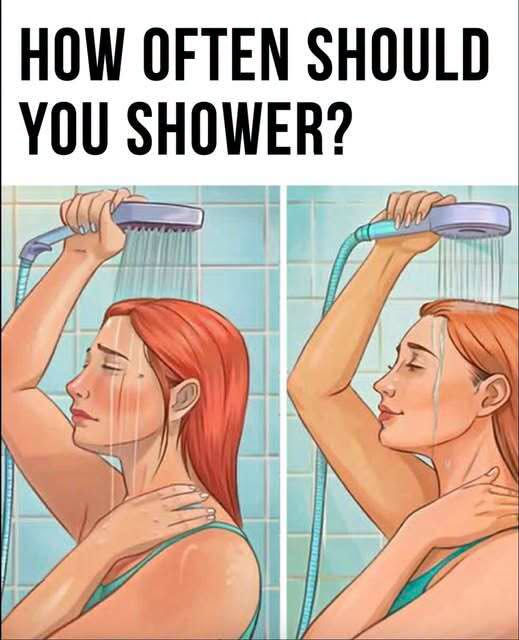
How Bathing Too Often Can Harm Your Health
Bathing is an essential part of personal hygiene, helping remove sweat, dirt, excess oil, and microorganisms from the skin. However, while regular washing is important for good health, bathing too frequently — especially with hot water and harsh soaps — can sometimes do more harm than good.
Dermatologists warn that excessive washing may strip the skin of its natural oils, weaken its protective barrier, and contribute to dryness, irritation, and itching. Understanding how bathing affects the skin can help you maintain good hygiene without causing unnecessary problems.
1. It Can Strip Away the Skin’s Natural Oils
The skin has a protective outer barrier that helps retain moisture and defend against environmental irritants. Natural oils produced by the skin play an important role in maintaining this barrier.
Frequent bathing, particularly with very hot water and strong cleansers, can remove some of these oils. As a result, the skin may become dry, tight, flaky, or uncomfortable.
People with naturally dry or sensitive skin may be especially likely to experience these effects.
2. It May Worsen Eczema and Other Skin Conditions
<AsyncImage query=”close up dry irritated skin on forearm dermatology natural lighting” aspectRatio=”16:9″ width=”100%”/>
People who have eczema or other conditions associated with a weakened skin barrier may find that frequent hot showers make their symptoms worse.
Repeated exposure to hot water, fragranced products, or aggressive scrubbing can increase irritation and itching. Scratching may then damage the skin further, creating a cycle of discomfort.
Short, lukewarm showers and gentle, fragrance-free cleansers may help reduce irritation. Applying moisturizer immediately after bathing can also help lock in moisture.
3. Hot Showers Can Make Dryness Worse
A long, hot shower may feel relaxing after a tiring day, but high water temperatures can increase moisture loss from the skin.
You may notice that your skin feels tight after stepping out of the shower or that your legs and arms become itchy later in the day.
To reduce these effects, dermatologists commonly recommend keeping showers relatively short — around five to ten minutes — and using lukewarm rather than hot water.
4. Excessive Washing May Irritate the Scalp and Hair
<AsyncImage query=”person washing hair gently under shower water in bathroom” aspectRatio=”16:9″ width=”100%”/>
Washing your hair too frequently with strong shampoos can leave the scalp dry or irritated and make the hair feel rough.
However, there is no single ideal hair-washing schedule for everyone. People with oily scalps, those who exercise frequently, and individuals exposed to dust or sweat may need to wash their hair more often than people with dry scalps or textured hair.
Choosing a suitable shampoo and adjusting how often you use it to your hair type can help maintain scalp comfort.
5. It Can Affect the Skin’s Natural Microorganisms
The skin is home to a diverse community of microorganisms, often called the skin microbiome. Many of these organisms coexist with the body and help maintain a healthy skin environment.
Normal bathing does not automatically damage this community. However, excessive scrubbing and the frequent use of harsh cleansers or unnecessary antibacterial products can irritate the skin and alter its surface environment.
For most people, ordinary gentle cleansing is sufficient. Antibacterial soaps are not generally necessary for routine bathing unless there is a specific medical or hygiene reason to use them.
6. Strong Soaps and Fragrances Can Trigger Reactions
Some shower gels, soaps, deodorizing products, and fragrances contain ingredients that may irritate sensitive skin or cause allergic contact dermatitis.
If you repeatedly experience redness, itching, burning, or a rash after bathing, the problem may be related to a product rather than the frequency of bathing alone.
Switching to a fragrance-free cleanser and introducing new products one at a time may help identify a potential trigger. Persistent or severe symptoms should be assessed by a healthcare professional.
7. So, How Often Should You Bathe?
There is no universal bathing schedule that suits everyone. The right frequency depends on activity level, climate, sweating, occupation, skin type, and personal needs.
For many adults, a short daily shower is reasonable, but some people may need to bathe more or less frequently. After strenuous exercise or heavy sweating, washing may be particularly useful.
To protect your skin:
Use lukewarm water instead of very hot water.
Keep showers relatively short.
Focus cleanser on areas that need it most, such as the armpits, groin, feet, and visibly dirty areas.
Choose mild, fragrance-free products if your skin is sensitive.
Pat your skin dry rather than rubbing it vigorously.
Apply moisturizer while the skin is still slightly damp.
The Bottom Line
Bathing is important for hygiene, but more washing does not always mean healthier skin. Long, hot showers, harsh soaps, and excessive scrubbing can remove protective oils and contribute to dryness and irritation.
For most people, the best approach is simple: bathe according to your daily activities, use gentle products, and pay attention to how your skin responds.
If dryness, itching, or irritation persists despite changing your bathing habits, consider speaking with a healthcare professional to identify the underlying cause.
Healthy hygiene is about finding the right balance — keeping your body clean while preserving the skin’s natural protective barrier.