Everyday Veins, Real Warning Signs: When the Veins in Your Legs May Signal Something Serious
Veins are a normal part of the human body, yet many people rarely pay attention to them until they become more visible, swollen, or uncomfortable. A few blue lines beneath the skin may seem harmless, and in many cases, they are. But certain changes in the veins can sometimes indicate an underlying medical problem that should not be ignored.
From small spider veins to bulging varicose veins, the appearance of veins varies considerably from person to person. Age, genetics, hormones, body composition, and the amount of time spent standing or sitting can all influence how visible they become.
The important question is not simply whether your veins are noticeable. It is whether they have changed suddenly or are accompanied by other symptoms.
1. Visible Veins Are Not Always a Sign of Disease
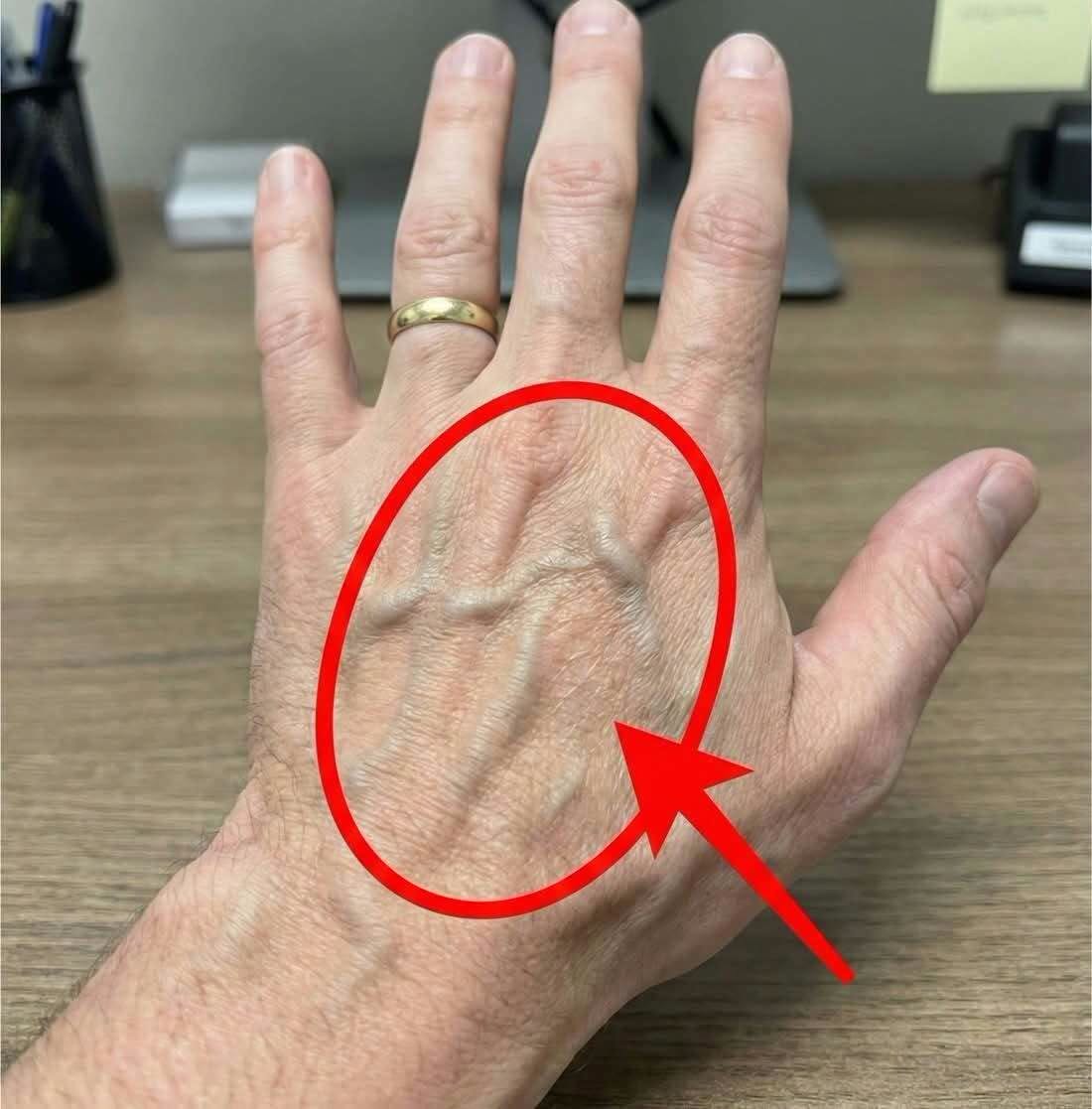
Many people have visible veins on their hands, feet, arms, or legs. These veins may become more noticeable with age, during exercise, in warm weather, or when body fat beneath the skin decreases.
In some cases, visible veins are simply part of normal anatomy.
Small, web-like red, purple, or blue veins near the surface of the skin are often called spider veins. Larger, twisted veins that bulge beneath the skin may be varicose veins.
Although varicose veins can cause discomfort or complications, their presence does not automatically mean that a person has a dangerous condition.
What to watch for: Pay attention to new swelling, persistent aching, skin changes, or veins that become increasingly painful.
2. Bulging Veins May Be a Sign of Poor Blood Flow
Varicose veins commonly develop when the small valves inside veins do not work effectively. These valves normally help blood travel toward the heart. When they become less effective, blood can collect in the veins, causing them to enlarge and twist.
Common symptoms include:
Aching, heaviness, or tiredness in the legs.
Swelling around the ankles or lower legs.
Itching around affected veins.
Discomfort that becomes worse after prolonged standing.
Symptoms that improve when the legs are elevated.
Varicose veins are common, and many cases can be managed with lifestyle changes or medical treatment. However, persistent pain, skin discoloration, or sores near the ankles deserve medical assessment.
3. Sudden Swelling in One Leg Requires Urgent Attention
One of the most important warning signs is sudden swelling in a single leg, especially when accompanied by pain, tenderness, warmth, or redness.
These symptoms can be associated with deep vein thrombosis (DVT), a blood clot that forms in a deep vein, often in the leg.
DVT can be dangerous because part of the clot may travel to the lungs, causing a pulmonary embolism.
Risk factors include recent surgery, prolonged immobility, certain medical conditions, pregnancy and the period after childbirth, estrogen-containing medications, and a previous history of blood clots.
Do not assume that sudden one-sided leg swelling is simply caused by standing too long. Seek urgent medical assessment if these symptoms develop.
If leg swelling or pain is accompanied by sudden shortness of breath, chest pain, coughing up blood, fainting, or severe dizziness, seek emergency medical help immediately.
4. Changes in Skin Color Around the Ankles Should Not Be Ignored
Long-standing problems with circulation in the leg veins can sometimes cause the skin around the ankles to become darker, itchy, dry, or inflamed.
This may occur when increased pressure in the veins affects the surrounding tissues, a condition associated with chronic venous insufficiency.
Over time, the skin may become thickened, and wounds can develop near the ankles that heal slowly.
These changes do not necessarily indicate an emergency, but they should be assessed by a healthcare professional, particularly if they are new or worsening.
Early evaluation can help identify the cause and reduce the risk of complications.
5. Warmth, Redness, and Pain Along a Vein May Signal Inflammation
If a vein becomes red, warm, tender, and hard to the touch, it may indicate superficial thrombophlebitis, a condition involving inflammation and sometimes clot formation in a vein near the skin’s surface.
Although superficial vein inflammation is often less dangerous than DVT, the two conditions can sometimes occur together or have similar symptoms.
For that reason, a painful, hardened vein should not automatically be dismissed as a minor problem, particularly if redness or swelling is spreading or symptoms are getting worse.
A clinician can determine whether examination or ultrasound imaging is needed.
6. Bleeding From a Varicose Vein Needs Prompt Care
Veins close to the skin’s surface can occasionally bleed, particularly when the skin covering a varicose vein becomes fragile.
Even a small injury can cause significant bleeding because pressure inside the affected vein may be elevated.
If a leg vein begins bleeding:
Lie down and raise the affected leg.
Apply firm, continuous pressure directly over the bleeding point with a clean cloth or dressing.
Seek emergency assistance if the bleeding is heavy, does not stop with firm pressure, or you feel faint or weak.
Do not simply cover the wound and ignore it after the bleeding stops. A healthcare professional should assess the vein and help prevent further episodes.
7. What You Can Do to Support Healthy Veins
Although not every vein problem can be prevented, several habits may help reduce symptoms associated with chronic venous problems.
Move regularly. Walking activates the calf muscles, which help push blood back toward the heart.
Avoid sitting or standing in one position for long periods. Take regular movement breaks when possible.
Elevate your legs when resting. This may help reduce swelling caused by venous circulation problems.
Maintain a healthy weight if appropriate for you. This can reduce pressure on the veins in the legs.
Ask a healthcare professional about compression stockings. They can help some people with venous symptoms, but sudden unexplained swelling or suspected blood clots need medical evaluation first.
These steps may improve comfort, but they are not a substitute for medical care when warning signs appear.
When Should You See a Doctor?
Arrange a medical appointment if you have persistent leg discomfort, worsening varicose veins, recurring swelling, skin changes, or wounds that are slow to heal.
Seek urgent assessment for sudden swelling in one leg, particularly if it is painful, warm, or discolored.
Seek emergency help if you experience symptoms that could indicate a pulmonary embolism, such as sudden breathing difficulty or chest pain.
Remember that the appearance of a vein alone cannot establish a diagnosis. Depending on your symptoms, a clinician may recommend an examination, ultrasound, or other tests to determine what is happening.
The Bottom Line
Visible veins are often harmless, but changes in the veins should not always be dismissed as a normal part of aging.
Bulging veins may indicate chronic venous insufficiency, persistent skin changes may suggest circulation problems, and sudden swelling in one leg can be a warning sign of a blood clot.
The key is knowing the difference between an ordinary physical feature and a new symptom that needs attention.
Your veins do not need to look perfect to be healthy. What matters most is recognizing unusual changes and getting medical advice when something does not feel right.
Medical disclaimer: This article is for general educational purposes and does not replace professional medical advice or diagnosis.