# These Are the Signs of Genital Herpes Men Should Never Ignore: Symptoms, Causes, and When to Seek Medical Care
Genital herpes is a common sexually transmitted infection (STI) that can affect men of all ages. It is caused by the herpes simplex virus (HSV), which can be transmitted through sexual contact, including vaginal, anal, and oral sex. Although some men may experience noticeable symptoms, others can carry the virus without realizing they have it.
Recognizing the signs of genital herpes is important because early medical evaluation can help confirm the diagnosis, relieve symptoms, and reduce the risk of transmitting the infection to sexual partners.
## What Is Genital Herpes?
Genital herpes is primarily caused by two types of herpes simplex virus: HSV-1 and HSV-2. HSV-2 is commonly associated with genital infections, while HSV-1, which often causes oral cold sores, can also spread to the genital area through oral sex.
Once the virus enters the body, it remains there for life. It can become inactive for periods of time and reactivate later, causing symptoms to return. However, many people with genital herpes experience mild symptoms or none at all.
## The Most Common Signs of Genital Herpes in Men
Men should pay attention to unusual changes in the genital area, especially if symptoms develop after sexual contact with a new partner.
1. Small Blisters or Painful Sores
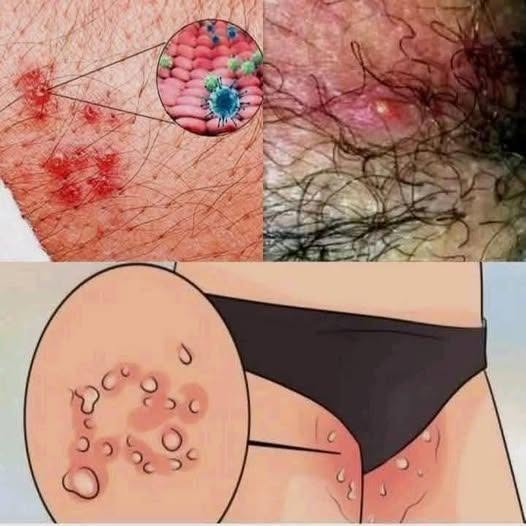
One of the most recognizable signs of genital herpes is the appearance of small, fluid-filled blisters. These may develop on the penis, foreskin, scrotum, buttocks, thighs, or around the anus.
The blisters can break open and form painful sores that gradually heal. During the first outbreak, symptoms may be more pronounced and take longer to resolve.
2. Itching, Tingling, or Burning Sensations
Some men notice itching, tingling, irritation, or a burning sensation before visible sores appear. These sensations may occur in the genital region or around the anus.
Such symptoms are not exclusive to herpes, as other skin conditions and infections can cause similar discomfort. However, persistent or recurring symptoms should be evaluated by a healthcare professional.
3. Pain or Burning During Urination
Genital herpes sores near the opening of the urethra can make urination painful. Some men experience a burning sensation when passing urine, particularly during an initial outbreak.
If urination becomes difficult or impossible, urgent medical attention is necessary.
4. Flu-Like Symptoms During the First Outbreak
The first noticeable episode of genital herpes may be accompanied by symptoms such as fever, headache, body aches, fatigue, and swollen lymph nodes in the groin.
These symptoms can occur as the immune system responds to the infection. Not every man experiences them, and they may be more noticeable during the initial episode than during later recurrences.
5. Recurrent Genital Sores
After the initial infection, the virus can remain dormant in nearby nerve cells. It may reactivate later, causing new sores or other symptoms.
Recurring outbreaks can be triggered by factors such as illness, stress, friction, or a weakened immune system, although some outbreaks occur without an obvious trigger.
For many people, recurrent episodes become less frequent or less severe over time.
## What Causes Genital Herpes in Men?
Genital herpes spreads mainly through direct contact with infected skin or mucous membranes during sexual activity. Transmission can occur even when the infected partner has no visible sores because the virus can sometimes be released from the skin without noticeable symptoms.
Common routes of transmission include:
– Vaginal sex with an infected partner.
– Anal sex with an infected partner.
– Oral sex when a partner has oral herpes, particularly when HSV-1 is involved.
– Direct contact with an infected genital area, even when sores are not obvious.
Genital herpes is not usually spread through toilet seats, swimming pools, or ordinary everyday contact such as hugging or sharing meals.
Using condoms and other barrier protection can reduce the risk of transmission, but it cannot eliminate it completely because infected skin may be outside the area covered.
## When Should Men Seek Medical Care?
Men should seek medical evaluation if they develop unexplained genital blisters, sores, persistent itching, burning, or pain, particularly after sexual contact that may have exposed them to an STI.
A clinician may collect a sample from a fresh sore for laboratory testing, often using a PCR test, which can help identify the herpes virus. Blood tests may be useful in selected situations, but they have limitations and do not always establish when or where an infection occurred.
Seek urgent medical care if genital symptoms are accompanied by severe pain, difficulty urinating, a severe headache with fever or neck stiffness, or rapidly worsening symptoms. Men with weakened immune systems should also seek prompt evaluation.
If herpes is suspected, it is advisable to avoid sexual contact until sores have healed and a healthcare professional has provided guidance. Because transmission can also occur without symptoms, ongoing precautions remain important.
## Can Genital Herpes Be Treated?
There is currently no cure that removes HSV from the body. However, antiviral medications such as acyclovir, valacyclovir, and famciclovir can help manage the infection.
These medications can shorten outbreaks, reduce symptom severity, and, when taken as daily suppressive therapy, lower the risk of transmitting HSV-2 to a sexual partner. They do not eliminate the risk entirely.
Treatment is often most effective when started promptly after symptoms begin. A healthcare professional can recommend the appropriate medication and dosage based on the individual’s circumstances.
## How Can Men Reduce the Risk of Infection?
Preventive measures can help lower the likelihood of acquiring or transmitting genital herpes.
– Use condoms or other barrier protection consistently.
– Avoid sexual contact during active outbreaks or when warning symptoms such as tingling or burning occur.
– Discuss STI testing and sexual health openly with partners.
– Seek medical advice about suppressive antiviral treatment if diagnosed with genital herpes.
– Remember that the absence of visible sores does not guarantee that transmission is impossible.
## Final Thoughts
Genital herpes can be uncomfortable and emotionally distressing, but it is a manageable condition. Recognizing potential symptoms, seeking timely medical evaluation, and understanding how the virus spreads can help men protect their health and make informed decisions about their sexual relationships.
It is also important to remember that genital sores are not always caused by herpes. Other sexually transmitted infections and skin conditions can produce similar symptoms, so testing is the best way to determine the cause.
Men who notice unusual genital symptoms should avoid self-diagnosis and consult a qualified healthcare professional for appropriate testing and treatment.
Mund të të krijoj edhe një lajm me titull më tërheqës për shëndetin e meshkujve: Shenjat e hershme të sëmundjeve seksualisht të transmetueshme