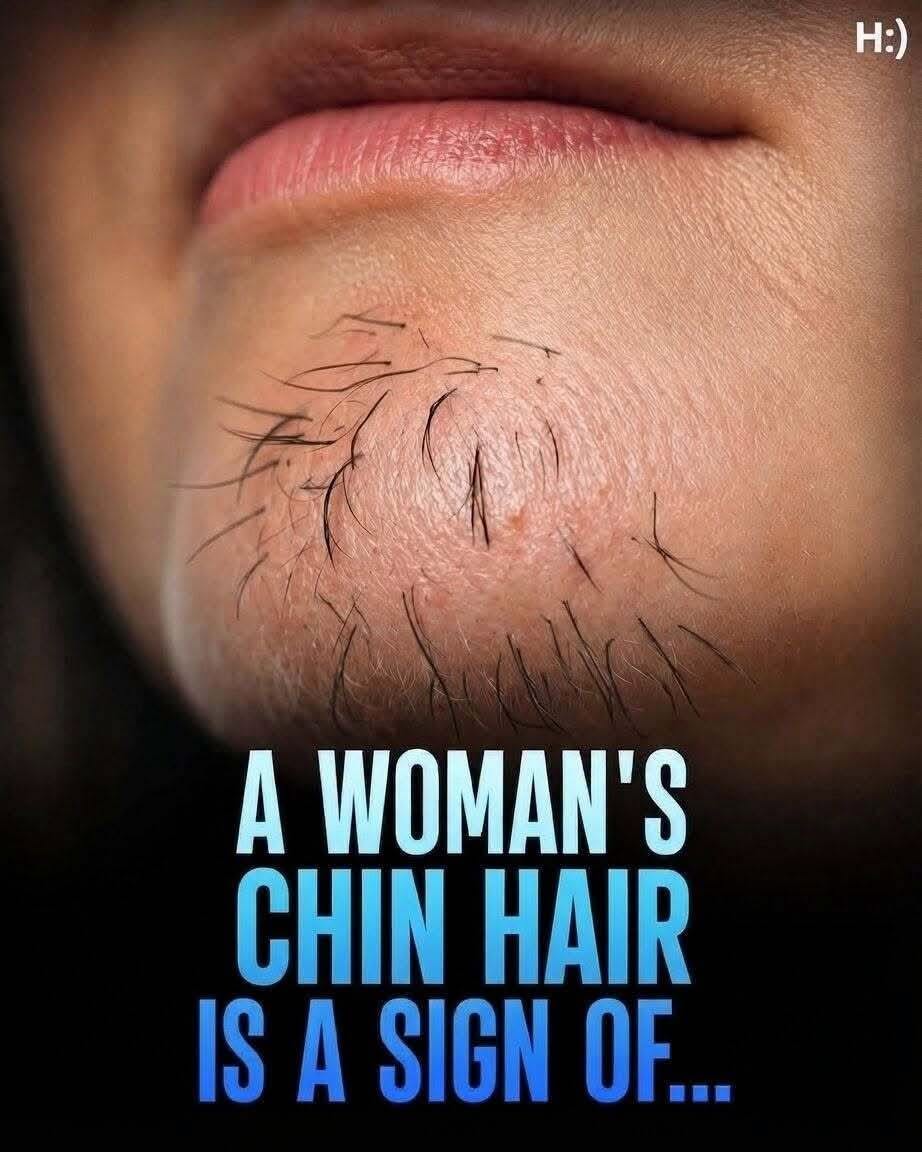
Finding a few dark hairs on the chin is common among women. While occasional facial hair is usually harmless, excessive or rapidly increasing growth can sometimes be associated with hormonal changes, genetics, medications, or certain medical conditions.
Genetics and hormones are among the most common factors. Some women have hair follicles that are more sensitive to androgens, hormones naturally present in women in smaller amounts. This sensitivity can cause facial hairs to become thicker or darker.
Facial hair may also become more noticeable during different stages of life, including puberty, pregnancy, perimenopause, and menopause. Changes in estrogen and androgen levels can influence hair growth as women age.
One possible medical cause is polycystic ovary syndrome (PCOS). Along with increased facial or body hair, PCOS may involve irregular periods, acne, weight changes, or difficulty becoming pregnant. Having chin hair alone, however, does not mean someone has PCOS.
Certain medications can also contribute to increased hair growth. If facial hair develops or becomes noticeably worse after starting a medication, it is important to discuss the change with a healthcare professional rather than stopping the medication independently.
A few occasional chin hairs generally aren’t a reason for concern. However, medical advice may be appropriate if the hair appears suddenly, increases rapidly, or occurs alongside irregular periods, severe acne, voice changes, or other unexplained hormonal symptoms.
Treatment depends on the underlying cause and personal preference. Options may include tweezing, waxing, laser hair removal, prescription creams, or medically appropriate hormonal treatment. Addressing an underlying condition may also reduce unwanted hair growth.
The bottom line: chin hair is often a normal part of genetics and aging, but sudden or excessive growth can sometimes signal hormonal changes. Paying attention to other symptoms can help determine whether it is worth discussing with a healthcare professional.
The difference between an occasional hair and a noticeable change in growth is central to this explanation. A person who has always had a few coarse hairs may be observing a familiar characteristic. Someone who sees a sudden change, particularly alongside other symptoms, is describing a different situation. The appearance of hair alone cannot establish which hormonal process or medical condition, if any, is involved.
That is why the surrounding pattern matters more than a single isolated sign. The source connects possible hormonal conditions with additional features such as menstrual changes or acne. Those details provide context for a conversation with a healthcare professional. They do not turn a checklist into a diagnosis, and they do not mean that every woman with facial hair needs the same investigation or treatment.
Personal preference matters as well. Some women choose to remove chin hair because of how it looks or feels, while others are comfortable leaving it alone. Cosmetic decisions and assessment of a new symptom serve different purposes. Removing a hair does not explain why it appeared, just as deciding against removal does not establish that a medical problem exists. The most useful approach is to distinguish a preference about appearance from a concern about a change in the body.
The source’s advice about medication follows the same principle of careful assessment. A change that begins after a new prescription is information to discuss, rather than a reason to stop treatment without guidance. Understanding the timing and the wider symptom pattern can help determine what, if anything, needs attention.