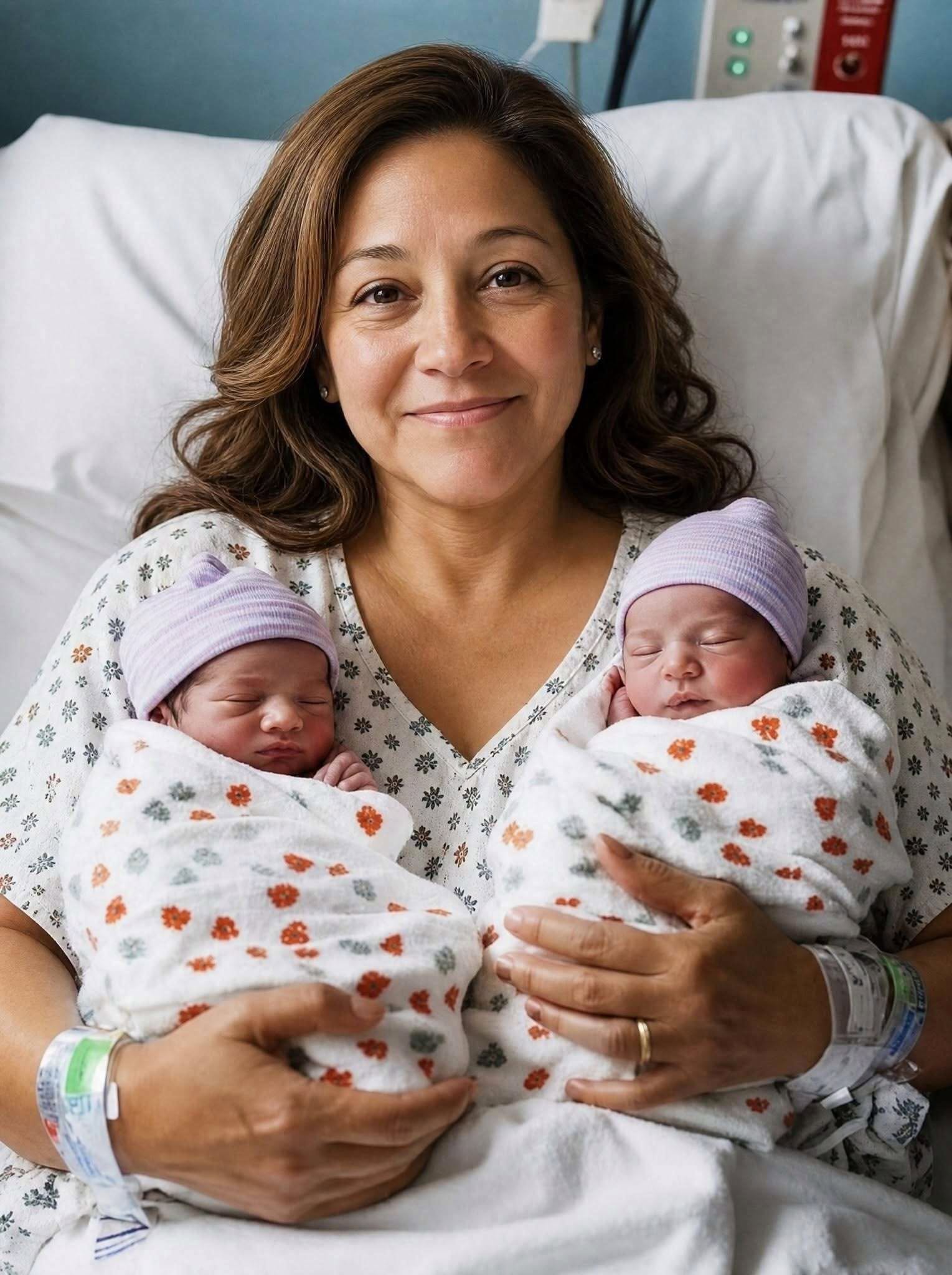
The birth of twins has always captured public attention, combining the wonder of new life with the fascinating complexity of human reproduction. When a woman welcomes two babies at once, the event can bring extraordinary joy to a family. When the mother is 58 years old, the story naturally raises even more questions: How is pregnancy possible at this stage of life? What medical advances make it possible? What risks do older mothers and their babies face? And what does such a remarkable event reveal about the changing possibilities of modern parenthood?
Stories about women becoming mothers in their late 50s often attract worldwide interest because they challenge familiar assumptions about fertility, aging, and the traditional timeline of family life. They also highlight the remarkable progress of reproductive medicine, which has helped some people become parents even after natural fertility has declined dramatically.
However, these stories deserve to be understood through both their emotional significance and their medical realities. Pregnancy at 58 is exceptionally uncommon without reproductive assistance, and it can involve complex medical decisions, careful preparation, and substantial health considerations. The arrival of twins adds another layer of complexity because twin pregnancies generally carry greater risks than pregnancies involving one baby.
Behind every such story is much more than a surprising headline. There may be years of personal decisions, medical consultations, fertility treatments, family discussions, and hopes that have endured despite significant obstacles.
Understanding how twin pregnancies occur, why fertility changes with age, what reproductive technologies can accomplish, and which risks require medical attention can provide a clearer picture of this extraordinary subject.
The Fascination Behind Twin Births
Twins occupy a special place in the human imagination. Two babies arriving during the same birth can seem almost miraculous, particularly when they share similar features or develop a remarkably close bond as they grow.
For parents, twins may represent double the happiness, but they also bring unique responsibilities. Families must prepare for two newborns who may need feeding, comfort, medical care, and attention at the same time.
From a scientific perspective, twin pregnancies are equally fascinating. They reveal important details about ovulation, fertilization, early embryonic development, genetics, and the conditions that allow more than one fetus to develop during a pregnancy.
Twin pregnancies generally fall into two main categories: identical twins and fraternal twins. Although both result in the birth of two babies during one pregnancy, the biological processes behind them are different.
Identical twins develop when a single fertilized egg separates into two embryos. Fraternal twins develop when two separate eggs are fertilized by two different sperm cells.
These differences influence how genetically similar the twins are and, in some cases, how they share the structures that support their development in the uterus.
Twin pregnancies can also differ in whether the babies share a placenta or develop with separate placentas. These details are medically important because the arrangement of the placenta and the membranes surrounding each baby can influence monitoring, possible complications, and delivery planning.
The fact that twins can develop naturally is remarkable enough. When pregnancy occurs at an age when natural conception is extremely unlikely, however, it often prompts additional questions about the role of fertility treatments and the changing possibilities of reproductive healthcare.
How Do Twin Pregnancies Occur?
To understand pregnancy at an advanced maternal age, it is helpful to begin with the basic processes that make a twin pregnancy possible.
1. Fraternal Twins: Two Eggs, Two Fertilizations
Fraternal twins, medically known as dizygotic twins, begin when two separate eggs are released during the same menstrual cycle and each is fertilized by a different sperm cell.
The resulting embryos share the same pregnancy but are genetically similar to ordinary siblings rather than being nearly genetically identical.
Fraternal twins can be of the same sex or different sexes. They may resemble each other closely, or they may look quite different.
The probability of conceiving fraternal twins is influenced by several factors, including inherited tendencies toward releasing more than one egg during a cycle, maternal age during the reproductive years, previous pregnancies, and the use of fertility treatments.
Ovulation-stimulating medications can increase the chance that multiple eggs will mature and be released. In some circumstances, more than one egg may subsequently be fertilized.
Assisted reproductive technologies can also contribute to twin pregnancies. If two embryos are transferred during in vitro fertilization and both implant successfully, twins may develop. A single transferred embryo can occasionally split and produce identical twins.
These possibilities help explain why twin pregnancies may occur more frequently in some fertility-treatment settings than through spontaneous conception alone.
2. Identical Twins: One Embryo Becomes Two
Identical twins, known as monozygotic twins, occur when a single fertilized egg divides into two embryos during early development.
The twins generally have nearly identical genetic material and are usually the same sex, although rare biological variations exist.
Unlike fraternal twinning, identical twinning is generally not strongly associated with a hereditary tendency to release multiple eggs. It usually occurs unpredictably.
The timing of the embryo’s division influences whether the twins develop separate or shared supporting structures. Some identical twins have separate placentas, although the placentas may appear fused. Others share a placenta, which can create additional medical considerations.
When twins share a placenta, certain complications can occur because the blood vessels supporting the babies may be connected in ways that affect the distribution of blood between them. One example is twin-to-twin transfusion syndrome.
Not every identical twin pregnancy develops complications, but identifying the type of twin pregnancy early helps clinicians plan appropriate monitoring.
Ultrasound examinations can provide important information about the number of fetuses, the number of placentas, and the membranes surrounding them.
This is one reason early prenatal assessment is particularly important for anyone carrying twins.
Why Age Matters in Female Fertility
A woman’s age has a major influence on fertility because both the number and the quality of her eggs change over time.
Females are born with a finite supply of eggs. That supply declines as they age, and the likelihood that an egg will have the correct number of chromosomes also changes.
For many women, fertility begins to decline more noticeably during their 30s, with a more pronounced decline later in that decade and during the 40s. The timing varies among individuals, but the overall trend is well established.
As reproductive aging progresses, several changes occur:
The number of eggs available for ovulation decreases.
The proportion of eggs with chromosomal abnormalities increases.
The likelihood of spontaneous conception declines.
The risk of miscarriage rises.
The chance of certain pregnancy complications increases.
These changes help explain why pregnancy at 58 is exceptionally rare without reproductive assistance.
The role of menopause
Menopause marks the end of natural menstrual cycles and is generally diagnosed after 12 consecutive months without a menstrual period when no other cause explains the absence of menstruation.
The transition commonly occurs around the late 40s to early 50s, although the timing varies.
After natural menopause, regular ovulation no longer occurs, and spontaneous conception using the woman’s own newly released eggs is generally no longer possible.
This does not mean that pregnancy is medically impossible in every person who has gone through menopause. It means that pregnancy generally requires a different pathway, such as the use of previously frozen eggs or embryos, or donor eggs or embryos, together with medical treatment that prepares the uterus to support a pregnancy when necessary.
The uterus does not necessarily lose all capacity to carry a pregnancy at menopause. Under appropriate medical conditions, hormonal treatment can prepare the uterine lining for embryo implantation.
However, being able to carry a pregnancy and being medically fit to do so are two separate questions.
A woman in her late 50s may still have a uterus capable of supporting pregnancy, but her cardiovascular health, metabolic health, blood pressure, and other medical factors require careful evaluation.
Does age increase the chance of twins?
During some years before menopause, women may experience changes in hormone levels that influence ovulation. In women who are still ovulating, the chance of releasing more than one egg can increase with age during part of the reproductive years.
However, this does not mean that advancing age continually increases the likelihood of twins.
Natural fertility declines substantially as reproductive aging progresses. By the late 50s, spontaneous conception is extraordinarily uncommon.
It would therefore be misleading to suggest that a 58-year-old woman is likely to conceive twins naturally because of hormonal changes.
In many reported pregnancies at this age, assisted reproductive technology plays an important role. The specific circumstances differ between individuals, and the details of a particular case should not be assumed without reliable information.
How Modern Fertility Treatments Can Make Pregnancy Possible Later in Life
Advances in reproductive medicine have changed the options available to people who experience infertility or who hope to become parents later than previous generations commonly did.
Treatments such as in vitro fertilization, egg freezing, embryo freezing, and donor-egg programs have made pregnancy possible in circumstances that would once have been extremely difficult or impossible.
Nevertheless, these treatments do not eliminate the biological effects of aging or guarantee a successful pregnancy.
Understanding in vitro fertilization
In vitro fertilization, commonly called IVF, involves fertilizing an egg with sperm outside the body in a laboratory. If an embryo develops and is considered suitable for transfer, it may be placed into the uterus.
IVF typically involves several stages.
First, the medical team evaluates the patient’s fertility, reproductive history, and overall health. Depending on the treatment plan, medications may be used to stimulate the ovaries to produce multiple eggs.
The eggs are collected through a medical procedure and combined with sperm in a laboratory. Fertilization and embryo development are then assessed.
An embryo may be transferred into the uterus, while suitable additional embryos may sometimes be frozen for potential future use.
The treatment process can be emotionally and physically demanding. It may involve repeated appointments, hormone injections, monitoring, laboratory procedures, and waiting periods that create considerable uncertainty.
Success depends on many factors, including egg quality, embryo characteristics, the condition of the uterus, underlying health conditions, and the treatment protocol.
For women in their late 50s, using freshly retrieved eggs from their own ovaries is generally not a practical route to pregnancy because the supply and quality of eggs have declined profoundly.
Consequently, pregnancies at this age that involve IVF often rely on donor eggs or embryos created when the eggs were younger. Individual cases can differ, particularly when embryos or eggs were preserved earlier in life.
The role of donor eggs
Donor eggs have helped many people overcome infertility associated with age or other medical conditions.
In a donor-egg IVF cycle, an egg from a donor is fertilized with sperm, and the resulting embryo is transferred to the intended parent’s uterus when medically appropriate.
Because the eggs come from a different person, their age and biological characteristics can influence embryo development and the likelihood of success.
Using younger donor eggs can improve certain aspects of reproductive potential compared with attempting conception using eggs from someone of advanced reproductive age.
However, it does not remove all risks associated with pregnancy at an older age.
The person carrying the pregnancy still experiences the physical demands of pregnancy and childbirth. High blood pressure, cardiovascular strain, gestational diabetes, preeclampsia, and other complications remain important considerations.
The health of the intended parent must therefore be evaluated independently of the age or characteristics of the egg donor.
Frozen eggs and embryos
Egg and embryo freezing can provide additional reproductive options.
Some individuals freeze eggs earlier in life because they anticipate delaying parenthood or want to preserve fertility before medical treatment that may affect reproductive function.
Embryos created through IVF can also be frozen for future use.
When eggs or embryos are preserved, their biological characteristics at the time of preservation become relevant. An embryo created from an egg retrieved at a younger age does not become equivalent to an embryo created from a newly retrieved egg at an older age simply because it is transferred later.
However, the person’s age at the time of pregnancy still matters because pregnancy places demands on the entire body, not just the reproductive system.
This distinction is particularly important when considering pregnancy in the late 50s.
Reproductive technology may make implantation possible, but the medical team must also evaluate the capacity of the uterus, the cardiovascular system, the lungs, the kidneys, and other organs to support pregnancy safely.
Why a Pregnancy at 58 Requires Extensive Medical Assessment
Pregnancy changes the body in profound ways. Blood volume increases, the heart works harder, metabolism changes, and the body must support the growth and development of the fetus or fetuses.
These changes can place additional demands on organs that may already be affected by age-related conditions.
A 58-year-old person considering pregnancy therefore requires a comprehensive evaluation by specialists in reproductive medicine and maternal-fetal health.
The assessment is not simply about whether an embryo can implant. It is about whether carrying a pregnancy is medically appropriate and what risks may be involved.
Cardiovascular health
The cardiovascular system must accommodate the increased blood volume and workload associated with pregnancy.
Conditions such as hypertension, coronary artery disease, and other cardiovascular disorders become more common with age. They may increase the risk associated with pregnancy.
Doctors may review blood pressure, medical history, medications, and cardiovascular function. Additional testing may be recommended according to the individual’s health.
The presence of cardiovascular disease does not mean that every pregnancy is automatically impossible, but it may substantially change the risk assessment.
Metabolic health
Pregnancy affects how the body uses glucose and responds to insulin.
Gestational diabetes can develop when the body cannot meet the increased insulin requirements of pregnancy. Older maternal age is associated with a higher risk of this condition.
Preexisting diabetes also requires careful management because poorly controlled blood glucose can affect both maternal health and fetal development.
Before a pregnancy is attempted, the medical team may assess glucose levels, weight-related health factors, and existing metabolic conditions.
These assessments help identify problems that may require treatment before pregnancy and closer monitoring afterward.
Blood pressure and preeclampsia
High blood pressure is another important concern.
Preeclampsia is a pregnancy-related disorder that typically involves new-onset hypertension after 20 weeks of pregnancy, together with signs of organ involvement or other diagnostic features.
It can affect the kidneys, liver, nervous system, blood clotting, and placenta. In severe cases, it can threaten the lives of both mother and baby.
Older maternal age is associated with an increased risk of hypertensive disorders, and twin pregnancy adds further complexity.
Warning symptoms may include a severe or persistent headache, visual changes, significant upper abdominal pain, sudden concerning swelling, or shortness of breath. These symptoms require prompt medical assessment during pregnancy.
Preeclampsia can also develop without obvious symptoms, which is why regular prenatal blood pressure checks and other recommended assessments are important.
Kidney and other organ function
The kidneys play an essential role in managing fluid balance, electrolytes, and waste products. Pregnancy changes how the kidneys function, and preexisting kidney disease can complicate pregnancy management.
Other chronic conditions, including some autoimmune disorders and respiratory diseases, may also affect whether pregnancy is medically advisable.
For a woman in her late 50s, the decision to pursue pregnancy should involve an individualized assessment rather than a general assumption that modern medicine can overcome every obstacle.
Why Carrying Twins Is More Complicated Than Carrying One Baby
Twin pregnancies bring unique medical considerations because two fetuses develop simultaneously.
The uterus must accommodate two babies, and the placenta or placentas must support their growth. Maternal nutritional needs and physiological demands are also greater.
Although many twin pregnancies result in healthy babies, the likelihood of certain complications is higher than in singleton pregnancy.
When the mother is also of advanced maternal age, these risks require particularly careful evaluation.
1. Higher risk of premature birth
Premature birth occurs when a baby is born before 37 completed weeks of pregnancy.
Twin pregnancies have a substantially higher likelihood of preterm delivery than singleton pregnancies. The growing uterus, placental factors, and other biological mechanisms can contribute to labor or delivery occurring earlier than expected.
Babies born very prematurely may face difficulties with breathing, temperature regulation, feeding, and infection control. They may need specialized neonatal care and an extended stay in hospital.
The severity of these challenges depends partly on the gestational age at birth, birth weight, and the baby’s overall condition.
Because twin pregnancies frequently end earlier than singleton pregnancies, doctors monitor fetal growth, cervical changes when indicated, and other relevant signs throughout pregnancy.
Families may need to prepare for the possibility of delivery before the expected date and for the potential involvement of a neonatal intensive care unit.
2. Greater likelihood of gestational diabetes
Gestational diabetes occurs when blood glucose becomes elevated during pregnancy in a person who did not previously have diabetes or meet diagnostic criteria for overt diabetes before pregnancy.
The body’s insulin requirements rise during pregnancy. If the pancreas cannot provide sufficient insulin to meet these requirements, blood glucose may become elevated.
Older age and multiple pregnancy can contribute to a higher-risk clinical picture.
Untreated or poorly controlled gestational diabetes can increase the likelihood of excessive fetal growth, complications during delivery, and other health problems.
Management may involve dietary adjustments, physical activity appropriate for pregnancy, glucose monitoring, and medication when needed.
Careful screening and management can reduce the likelihood of certain complications, although it cannot eliminate every risk.
3. Increased risk of hypertension and preeclampsia
Twin pregnancy generally places greater demands on maternal physiology than singleton pregnancy.
The risk of hypertensive disorders, including preeclampsia, is higher in multiple pregnancies.
When advanced maternal age and underlying cardiovascular risk factors are also present, careful prenatal monitoring becomes even more important.
The care team may monitor blood pressure, urine findings, symptoms, fetal growth, and other indicators according to the pregnancy’s characteristics.
In some individuals, clinicians may recommend preventive measures based on established guidelines and a review of the person’s medical history.
These decisions should be individualized rather than based on age alone.
4. Placental complications
Twin pregnancies can involve separate placentas or a shared placenta, depending on the type of twins.
The placental arrangement matters because shared-placenta pregnancies may carry risks that are not present in the same way when each baby has a separate placenta.
Twin-to-twin transfusion syndrome, for example, can occur in certain pregnancies where identical twins share a placenta and connected blood vessels cause an imbalance in blood flow.
Other complications can involve differences in fetal growth, abnormal amounts of amniotic fluid, and problems affecting placental function.
Specialized ultrasound monitoring can help clinicians identify certain complications and determine whether further intervention is needed.
5. Increased likelihood of cesarean delivery
Twin pregnancies are more likely to require cesarean delivery than singleton pregnancies, although vaginal birth can be possible in selected circumstances.
The best delivery method depends on several factors, including the babies’ positions, gestational age, fetal health, placental arrangement, the mother’s medical history, and the experience and facilities available at the birth center.
A cesarean delivery is major surgery and can involve additional considerations, especially for an older mother or someone with cardiovascular or metabolic conditions.
The care team should discuss the potential benefits and risks of the available delivery options in advance whenever possible.
6. Increased risk of postpartum complications
Medical risks do not disappear immediately after the babies are born.
Postpartum recovery may be more complex after a twin pregnancy, particularly if delivery occurs prematurely or a cesarean section is required.
Potential complications include heavy bleeding, blood clots, infection, blood pressure problems, and challenges associated with recovering from surgery.
Older mothers may also have chronic health conditions that affect recovery and the ability to care for newborns.
A clear postpartum plan is therefore essential. It may include medical follow-up, assistance with infant care, monitoring for symptoms of complications, and support with rest and recovery.
Why Prenatal Care Is Essential for Older Mothers Carrying Twins
For a high-risk pregnancy, prenatal care is not simply a series of routine appointments. It is an ongoing process of assessing maternal health, monitoring fetal development, identifying complications, and adjusting the care plan when necessary.
The exact schedule varies depending on the pregnancy, but a twin pregnancy at an advanced maternal age generally calls for coordinated specialist care.
Early confirmation and pregnancy assessment
An early ultrasound can help confirm the pregnancy, establish the approximate gestational age, determine whether there are one or more fetuses, and assess the placental arrangement.
These details are fundamental because the monitoring plan for twins depends partly on whether they share a placenta.
Doctors may also review prior medical conditions, previous pregnancies, surgical history, medications, and any factors that could influence pregnancy safety.
For someone in the late 50s, the evaluation may include cardiovascular and metabolic assessments to help determine whether the pregnancy can be managed safely.
Monitoring fetal growth
Ultrasound examinations can assess fetal growth, amniotic fluid, and other aspects of fetal development.
In a twin pregnancy, doctors may compare the growth of the babies and look for signs that one is growing differently from the other.
Growth differences do not always indicate a serious problem, but substantial discrepancies may prompt additional investigation.
The care team may also monitor the placenta and blood flow when clinically appropriate.
Screening for pregnancy complications
Prenatal appointments help detect problems such as high blood pressure, gestational diabetes, anemia, and certain fetal conditions.
The tests used depend on the person’s age, medical history, stage of pregnancy, and local clinical guidelines.
Screening and diagnostic tests are not interchangeable. A screening result estimates the likelihood of a condition, whereas diagnostic testing may be needed to confirm or exclude specific abnormalities.
For older parents, discussions may include age-related chromosomal risks, the limitations of prenatal screening, the possible benefits and risks of diagnostic procedures, and the implications of each option.
These conversations should be individualized and conducted in a way that supports informed decision-making.
Delivery planning
Because twins are more likely to be born prematurely, the delivery plan should account for the possibility that labor or a medical complication may occur before the intended date.
The team may discuss when delivery would be recommended, what symptoms require immediate attention, and whether the planned birth location has the facilities needed for maternal and neonatal care.
If a very premature delivery is possible, the family may be counseled about neonatal intensive care and the types of support the babies could require.
Planning ahead cannot guarantee an uncomplicated birth, but it helps families understand the possibilities and prepare for different outcomes.
The Emotional Journey of Becoming a Mother Later in Life
The medical dimensions of pregnancy are only part of the story.
For someone who has spent years hoping to become a parent, the possibility of carrying a child later in life may be deeply meaningful. Fertility treatment can represent years of uncertainty, disappointment, financial decisions, and emotional resilience.
Some individuals pursue pregnancy after previous infertility. Others may have delayed parenthood because of work, education, financial pressures, relationships, caregiving responsibilities, or personal circumstances.
There is no single story that explains why every person seeks parenthood at an advanced age.
For a prospective mother in her late 50s, the decision may involve careful conversations with loved ones, fertility specialists, and other medical professionals. It may also require confronting social expectations about the age at which parenting should begin.
Hope and uncertainty can coexist
Fertility treatment can create a complicated emotional experience.
A person may feel hopeful before a treatment cycle but disappointed if it does not succeed. The transfer of an embryo may create excitement, yet the waiting period before a pregnancy test can be stressful.
A positive pregnancy test may bring joy while also introducing new concerns about miscarriage, fetal development, pregnancy complications, or the possibility of multiple births.
If twins are confirmed, the family may need additional time to understand the medical implications.
These experiences can be particularly intense when treatment has required considerable financial investment or years of effort.
Counseling, peer support, and honest communication with medical professionals can help people navigate the emotional challenges.
Family support matters
Pregnancy later in life may involve practical questions about caregiving, long-term family support, finances, parental health, and the availability of help after birth.
Discussing these topics does not diminish the emotional significance of parenthood. Instead, it helps families prepare for the practical realities of caring for children.
A support plan might include assistance during the postpartum period, reliable childcare arrangements, a financial plan for medical expenses, and people who can help during illness or recovery.
Parents should also consider the physical demands of caring for newborn twins, especially when both babies need feeding, soothing, and attention at the same time.
For someone recovering from surgery or managing a chronic condition, additional support can make a substantial difference.
The Social Debate Surrounding Parenthood After 50
Pregnancy at an advanced age often generates public debate. Some people celebrate the possibilities offered by reproductive medicine, while others question whether parenthood should occur later in life.
These discussions frequently involve medical risks, ethics, reproductive rights, and the long-term welfare of children.
However, broad judgments about older parents can overlook the fact that individual circumstances vary considerably.
Chronological age is an important medical factor, but it does not fully describe a person’s physical health, emotional maturity, financial circumstances, support network, or parenting abilities.
At the same time, enthusiasm about reproductive technology should not lead to an assumption that any pregnancy can be made safe.
The decision to pursue pregnancy at 58 requires more than a determination that embryo transfer is technically possible. It requires a careful assessment of whether the prospective parent can reasonably tolerate pregnancy and its potential complications.
Clinicians must consider the patient’s health while explaining the uncertainties, alternatives, and possible consequences of treatment.
Ethical discussions may also address donor consent, the future child’s interests, the intended parent’s ability to provide long-term care, and the medical resources required for high-risk pregnancy.
These are complex questions without a single answer that fits every individual or society.
A respectful discussion recognizes both reproductive autonomy and the importance of informed medical decision-making.
The Financial Realities of Fertility Treatment
Another aspect of later-life pregnancy that is sometimes overlooked is cost.
IVF can involve expenses related to consultations, medications, laboratory procedures, embryo storage, embryo transfer, pregnancy monitoring, and delivery.
Additional tests and specialist appointments may increase the cost of care, particularly when a pregnancy is considered high risk.
The financial burden varies widely depending on the country, clinic, treatment protocol, insurance arrangements, and whether donor eggs or embryos are involved.
Some people require multiple treatment cycles before achieving pregnancy. Others may not achieve pregnancy despite extensive treatment.
It is important for prospective parents to discuss costs with the fertility clinic before beginning treatment and to understand which services are included.
Insurance coverage and the rules governing fertility treatment differ across health systems. Patients should obtain written estimates and clarify the possible costs of additional testing, medication, storage, or complications.
Financial preparation should also account for the possibility of hospitalization, neonatal intensive care, and extended support after delivery.
These possibilities do not mean that such complications will necessarily occur. They are simply part of responsible planning for a pregnancy that may involve substantial medical needs.
Can a Woman in Her Late 50s Use Her Own Eggs?
This question frequently arises when people read about pregnancy at 58.
The answer depends on reproductive history, whether eggs or embryos were preserved earlier, and the specific medical circumstances.
Natural fertility declines substantially with age because both the number and the quality of eggs decrease. After menopause, spontaneous conception is generally no longer possible because regular ovulation has ceased.
For this reason, pregnancies achieved through IVF at a very advanced maternal age commonly involve donor eggs or embryos created from eggs retrieved earlier in life.
However, one should not assume the precise method used in a specific reported case unless it has been confirmed by reliable information.
Why the age of the egg matters
The risk of chromosomal abnormalities in eggs increases with reproductive age. Because embryo development depends partly on the egg’s biological characteristics, egg age has an important influence on the likelihood of obtaining a viable embryo.
When eggs are frozen at a younger age, they retain characteristics associated with the time at which they were retrieved, subject to the realities and limitations of the freezing and thawing process.
Similarly, an embryo created years earlier may be used later if it remains suitable and the intended parent is medically able to carry the pregnancy.
Using donor eggs can provide another route when a person’s own eggs are no longer suitable or available.
Nonetheless, the age of the person carrying the pregnancy remains a separate consideration. Even if an embryo has favorable characteristics, the pregnancy can still be medically challenging for someone in their late 50s.
The outcome depends on multiple factors, and no fertility treatment can guarantee implantation, a continuing pregnancy, or the birth of healthy babies.
What About the Babies’ Long-Term Health?
When twins are born to a mother in her late 50s, attention often focuses on the mother’s age. However, the babies’ health and long-term development also deserve careful consideration.
Outcomes depend on many variables, including the gestational age at birth, birth weight, placental function, pregnancy complications, and whether the babies experience medical problems during the newborn period.
Twin babies are more likely than singleton babies to be born prematurely. Some require additional support with breathing, feeding, temperature regulation, or other functions during the early weeks of life.
Many premature infants progress well, but the degree of medical support required varies. Very premature birth can be associated with a greater risk of developmental difficulties, although individual outcomes are influenced by many factors.
A parent’s age alone does not determine a child’s future health or abilities.
The use of donor eggs can also raise questions about genetic relationships. A child conceived from a donor egg is genetically related to the egg donor rather than to the person who carries and gives birth to the child, apart from other genetic contributions involved in conception.
Families considering donor conception may wish to understand the relevant laws, donor-information arrangements, and ethical considerations in their country.
It can be helpful to receive professional counseling so that prospective parents can think through how to discuss the child’s origins in an age-appropriate way.
The central issue is not whether a particular family follows a traditional pattern. It is whether the child will receive appropriate medical care, emotional support, stable caregiving, and opportunities to develop.
The Practical Challenges of Raising Twins Later in Life
The birth of two babies can transform everyday life, regardless of the parents’ ages.
Newborns require frequent feeding, diaper changes, medical appointments, soothing, and close observation. Twins can increase the intensity of these responsibilities because both babies may need care at overlapping times.
Parents who are older may have important advantages, such as life experience, emotional maturity, and more established financial resources. However, they may also need to consider physical stamina, existing health conditions, and the availability of support.
No two families are identical, and age alone cannot determine whether someone will be a capable parent.
Practical preparation is often more useful than general assumptions about older motherhood.
Create a realistic caregiving plan
Prospective parents may benefit from discussing how nighttime care will be shared, who can help after delivery, and how routine appointments will be managed.
For twins, support from a partner, relatives, friends, or paid caregivers can make daily responsibilities more manageable.
Families should also consider what might happen if the parent recovering from childbirth becomes unwell or needs additional rest.
Plan for the financial demands of twins
Two babies require more supplies, clothing, feeding equipment, and potentially childcare.
Families may wish to review their budgets, healthcare coverage, parental leave arrangements, and longer-term savings.
The goal is not to predict every expense but to understand the resources that may be needed.
Protect parental health
Rest, recovery, medical follow-up, and mental health support are important after childbirth.
A parent who has experienced pregnancy complications or major surgery may need additional time and help before returning to ordinary activities.
Postpartum depression and anxiety can affect parents of different ages and may occur after any pregnancy. Persistent sadness, severe anxiety, intrusive thoughts, or difficulty functioning should prompt a conversation with a healthcare professional.
Asking for help is a sign of responsible caregiving, not a failure to cope.
Why Reliable Information Matters When Reading Extraordinary Birth Stories
Stories about older mothers giving birth to twins can be emotionally compelling, but headlines sometimes leave out important medical details.
A headline may focus on a woman’s age without explaining whether donor eggs were used, whether embryos had been frozen years earlier, how far the pregnancy progressed, or whether the babies required specialized medical care.
Without those details, readers may draw inaccurate conclusions about natural fertility or assume that modern medicine can easily reproduce the same outcome.
A single reported birth does not establish how common an outcome is or whether the same treatment would be appropriate for another person.
It is important to distinguish between a story about something that happened and evidence about what is medically typical or advisable.
For example, a successful pregnancy at 58 does not mean that spontaneous conception at that age is common. Nor does it mean that every woman of that age can safely undergo IVF.
Likewise, a report of healthy twins at birth cannot by itself establish the long-term health outcomes of the children.
Reliable reporting should explain the medical context, acknowledge uncertainty, and avoid presenting rare outcomes as ordinary expectations.
For people considering pregnancy later in life, the most useful source of guidance is an appropriately qualified reproductive medicine or maternal-fetal medicine specialist who can assess individual circumstances.
A Remarkable Possibility, but Not Without Limits
Modern fertility treatments have changed the reproductive landscape in profound ways.
Egg freezing, embryo preservation, donor eggs, and advances in IVF have given some people opportunities to pursue parenthood that may not otherwise have existed.
These developments can be life-changing for individuals who have experienced infertility or who could not pursue parenthood earlier in life.
At the same time, reproductive technology does not eliminate the effects of aging on the body.
A successful embryo transfer is only one step in a much larger process. Pregnancy must continue, the placenta must function effectively, and the mother’s body must support the developing fetus or fetuses.
When twins are involved, the likelihood of premature birth and certain other complications is already higher than in singleton pregnancy. Advanced maternal age can add further concerns.
The most responsible approach combines hope with medical realism.
People considering pregnancy at a very advanced age should receive individualized risk assessments, clear explanations of the available options, and honest discussions about the possibility of serious complications.
They should also have time to consider the practical, emotional, ethical, and financial implications of raising a child.
Conclusion: When Science, Hope, and Parenthood Meet
The prospect of a 58-year-old woman welcoming twins illustrates the remarkable possibilities that reproductive medicine can create.
It also reminds us that human reproduction is governed by biological realities that change across a lifetime.
Twin pregnancies can occur naturally or through assisted reproduction, but spontaneous pregnancy at 58 is extraordinarily rare. In many pregnancies achieved at this age, medical assistance involving donor eggs or previously preserved eggs or embryos is an important part of the explanation.
The mother’s health remains central to the outcome. Pregnancy later in life can involve increased risks of high blood pressure, preeclampsia, gestational diabetes, cardiovascular complications, and other medical problems. Carrying twins introduces additional concerns, especially the increased likelihood of premature birth and the possible need for specialized newborn care.
Comprehensive medical assessment, close prenatal monitoring, careful delivery planning, and postpartum support are therefore essential considerations.
Beyond the medical details, these stories reflect the powerful hopes that can motivate people to become parents. They challenge conventional assumptions about family timelines while inviting thoughtful discussion about health, reproductive choices, and the responsibilities involved in raising children.
Yet it is important not to mistake a remarkable outcome for a guarantee. Every pregnancy has its own circumstances, and no treatment can promise that the mother or babies will avoid complications.
The real significance of pregnancy at an advanced age lies not simply in the fact that it can happen, but in the combination of medical expertise, informed decision-making, careful risk management, and the support needed to help families thrive.
For some people, reproductive medicine may create a meaningful opportunity to become parents later in life. For others, the medical risks or personal circumstances may make that path unsuitable.
Understanding both possibilities allows the conversation to remain compassionate, accurate, and grounded in evidence.
Ultimately, the arrival of twins can represent an extraordinary new chapter for a family. The best possible outcome depends not only on achieving pregnancy, but also on protecting the health of the person carrying it, providing appropriate care for the babies, and creating a sustainable environment in which the family can grow together.
Shorten the article for easier readingRemove repeated medical explanations