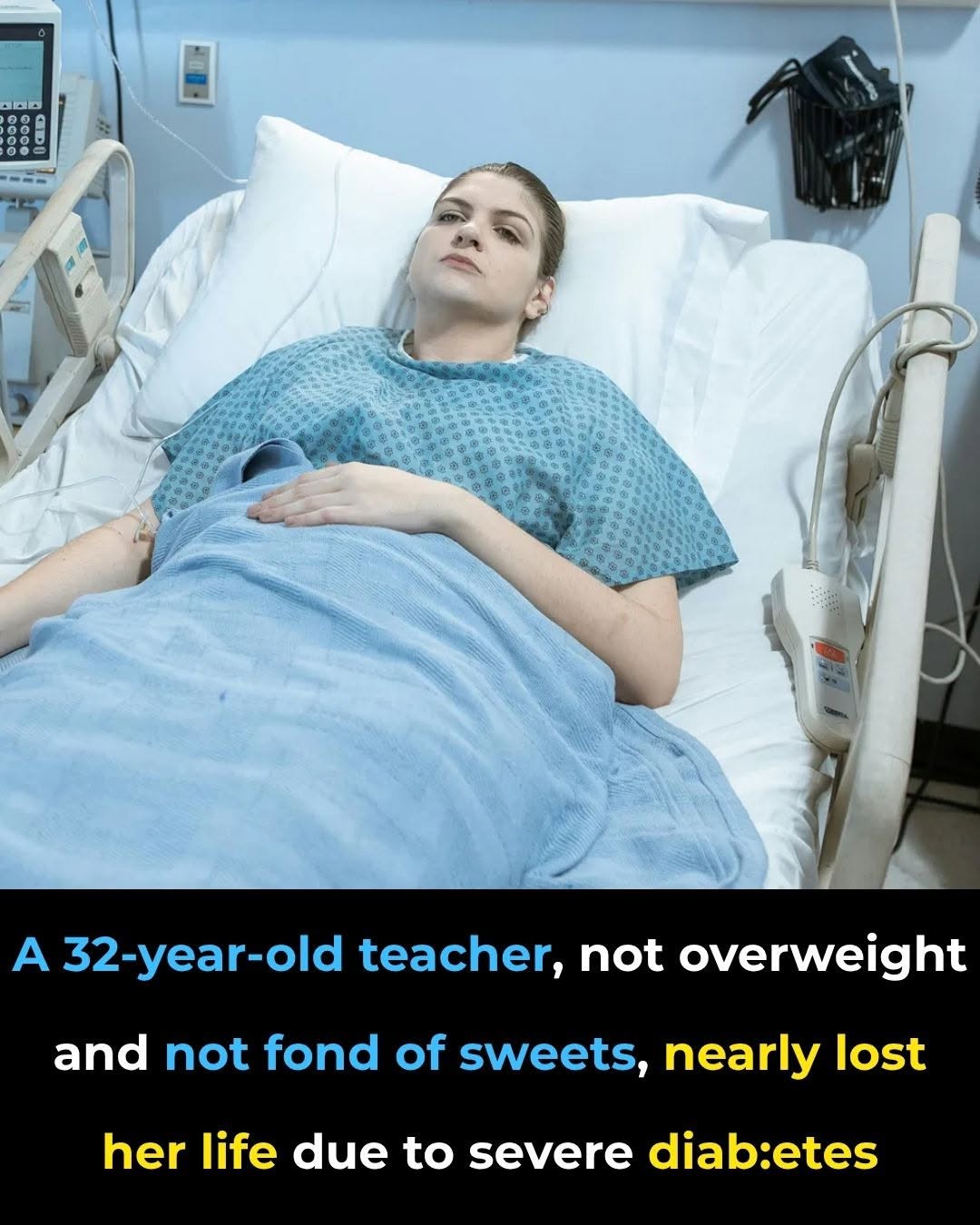
The 32-Year-Old Teacher Who Almost Lost Her Life to Diabetes — Her Story Is a Wake-Up Call for Everyone
At just 32 years old, she was building her career, inspiring her students, and planning for the future. But behind her daily routine, a serious health crisis was developing—one that would change the way she looked at life forever.
For years, teaching had been more than a job to her. It was her passion. Every morning, she entered her classroom ready to encourage her students, explain difficult lessons, and remind them that their dreams were worth pursuing.
Her days were busy. Between preparing lessons, grading assignments, answering questions, and managing the responsibilities of everyday life, she often placed her own needs last.
Like many working adults, she sometimes felt exhausted. She occasionally experienced unusual thirst and periods of low energy, but she believed these symptoms were connected to long working hours, stress, and a lack of rest.
She never imagined that something much more serious could be happening.
This fictional story illustrates why recognizing the warning signs of diabetes and seeking medical attention can be so important.
The Symptoms She Almost Ignored
At first, the changes seemed small enough to overlook.
She began drinking more water than usual. Even after drinking several glasses, she continued to feel thirsty. She also noticed that she needed to use the bathroom more frequently, including during the night.
Her energy levels gradually declined. Activities that had once felt easy began to leave her exhausted, and she found herself struggling to concentrate after long mornings in the classroom.
She initially blamed her demanding schedule.
But there was another change that concerned her: she was losing weight without deliberately changing her diet or increasing her physical activity.
Unexplained weight loss, persistent thirst, frequent urination, and unusual fatigue can all be symptoms of diabetes. These symptoms occur when blood glucose levels become too high, although their severity can vary from person to person.
Rather than assuming that the symptoms were simply caused by stress, seeking medical advice would be an important next step.
The Day Everything Changed
One morning, she arrived at school feeling unusually weak. Her mouth was dry, and she struggled to concentrate on the lesson she had prepared the night before.
As the morning continued, she became increasingly unwell.
A colleague noticed that something was wrong and encouraged her to seek medical attention instead of attempting to finish the school day.
In this imagined account, the teacher eventually received an urgent medical evaluation. Testing revealed severely elevated blood glucose levels, and doctors began assessing her for a potentially life-threatening complication of diabetes.
The experience was frightening. Until that moment, she had never considered that the symptoms she had been experiencing could represent a serious medical emergency.
Her story highlights an important lesson: diabetes can develop before someone realizes that their blood glucose levels are dangerously high.
How Diabetes Can Become Life-Threatening
Diabetes is a condition that affects how the body regulates blood glucose, also known as blood sugar.
Insulin, a hormone produced by the pancreas, helps glucose move from the bloodstream into cells, where it can be used for energy.
In type 1 diabetes, the body produces little or no insulin because the immune system attacks the insulin-producing cells. In type 2 diabetes, the body becomes resistant to insulin and may eventually be unable to produce enough to maintain healthy glucose levels.
When diabetes is undiagnosed or inadequately treated, blood glucose can rise to dangerous levels.
One serious complication is diabetic ketoacidosis (DKA). It occurs when the body lacks sufficient insulin and begins breaking down fat rapidly, producing acids called ketones. These substances can accumulate in the blood and lead to a medical emergency.
Symptoms may include intense thirst, frequent urination, nausea, vomiting, abdominal pain, deep or rapid breathing, and unusual drowsiness. Some people also develop fruity-smelling breath.
DKA requires immediate medical treatment. Without prompt care, it can become life-threatening.
Another dangerous complication, called hyperosmolar hyperglycemic state, can occur particularly in people with type 2 diabetes. It involves extremely high blood glucose and severe dehydration and also requires urgent treatment.
Importantly, these complications can sometimes be the first indication that a person has diabetes.
The Warning Signs Everyone Should Know
Diabetes does not always announce itself in an obvious way. Some people experience several symptoms, while others may notice very few.
Common warning signs include:
- Persistent thirst: Feeling unusually thirsty even after drinking fluids.
- Frequent urination: Needing to urinate more often than normal, particularly at night.
- Unexplained weight loss: Losing weight without intentionally changing eating habits or activity.
- Extreme fatigue: Feeling unusually tired despite getting adequate rest.
- Blurred vision: Experiencing changes in vision as blood glucose levels fluctuate.
- Increased hunger: Feeling hungry more frequently than usual.
- Slow-healing wounds: Noticing that cuts or sores take longer than expected to heal.
- Repeated infections: Experiencing certain skin, urinary tract, or other infections more frequently.
These symptoms do not automatically mean someone has diabetes. Other medical conditions can cause similar problems, and some people with diabetes have no obvious symptoms.
A healthcare professional can assess symptoms and arrange appropriate blood tests, such as fasting blood glucose or HbA1c, which measures average blood glucose over approximately the previous two to three months.
If symptoms appear suddenly or worsen quickly, medical evaluation should not be delayed.
Why Young Adults Should Not Ignore Their Health
Many people associate diabetes with older age, but the condition can affect children, teenagers, and adults in their twenties and thirties.
Type 1 diabetes can develop at almost any age. Type 2 diabetes is also increasingly recognized in younger adults, although individual risk varies.
Family history, certain medical conditions, body composition, physical activity, and other factors can influence the likelihood of developing type 2 diabetes. However, diabetes is not simply a consequence of eating sugar, and it is not a sign of personal failure.
Type 1 diabetes cannot currently be prevented through ordinary lifestyle changes. Type 2 diabetes risk can sometimes be reduced through appropriate lifestyle measures, but not every case can be prevented.
The most important step is recognizing symptoms and obtaining appropriate testing rather than assuming that someone is too young to have the condition.
The Treatment That Helped Her Recover
In the fictional story, the medical team focused first on stabilizing the teacher’s condition.
For a person experiencing diabetic ketoacidosis, treatment commonly involves carefully administered intravenous fluids, insulin, electrolyte monitoring, and treatment of any underlying trigger.
Doctors monitor the patient’s response closely because correcting severe glucose abnormalities requires careful management.
After stabilization, the next step is determining the type of diabetes and developing an appropriate long-term treatment plan.
Depending on the diagnosis, treatment may involve insulin, other medications, glucose monitoring, nutritional guidance, and regular follow-up appointments.
Education is also essential. Patients need to understand their medication, recognize warning signs, and know when to seek urgent help.
With appropriate treatment and ongoing medical support, many people with diabetes lead active, fulfilling lives.
The Lifestyle Changes That Support Long-Term Health
After a serious health scare, people may feel motivated to make changes. However, managing diabetes is not about following extreme diets or trying to eliminate every carbohydrate.
A balanced approach is usually more sustainable.
1. Eat balanced meals. Include vegetables, appropriate sources of protein, whole grains, and other nutritious foods according to your individual needs.
2. Stay physically active. Regular physical activity can help improve insulin sensitivity and support overall health. People taking glucose-lowering medications should discuss exercise precautions with their healthcare team.
3. Follow prescribed treatment. Do not stop insulin or other diabetes medications without medical guidance.
4. Monitor blood glucose when recommended. Monitoring can help patients and clinicians understand glucose patterns and adjust treatment safely.
5. Attend regular medical appointments. Diabetes care may include checks of blood pressure, cholesterol, kidney function, eye health, and foot health.
6. Take symptoms seriously. Persistent thirst, unexplained weight loss, frequent urination, or worsening fatigue should not automatically be attributed to a busy lifestyle.
These measures can support diabetes management, but they do not replace medical treatment.
The Emergency Signs That Must Never Be Ignored
Certain symptoms require immediate medical attention, particularly in someone with known or suspected diabetes.
Seek emergency help if a person develops vomiting with an inability to keep fluids down, abdominal pain, deep or rapid breathing, fruity-smelling breath, severe dehydration, confusion, or difficulty staying awake.
These can be warning signs of diabetic ketoacidosis or another serious condition.
If a person is unconscious or unable to swallow safely, do not give them food or drink. Call emergency services and follow the dispatcher’s instructions.
People with diabetes who use insulin or certain glucose-lowering medications should also know the symptoms of severe hypoglycemia, or dangerously low blood glucose. Confusion, seizures, or unconsciousness can indicate a medical emergency.
Recognizing these signs and responding promptly can save lives.
A New Perspective on Life
In this fictional story, the teacher’s medical crisis becomes a turning point. She realizes that caring for her students and fulfilling her professional responsibilities cannot come at the expense of ignoring her own health.
She begins paying closer attention to her symptoms, following medical advice, and making time for regular healthcare appointments.
Her experience also changes how she thinks about health in general. She understands that seeking help is not a sign of weakness and that asking questions about unexplained symptoms is a sensible way to protect her future.
Her story serves as a reminder that serious illnesses do not always begin with dramatic pain or obvious warning signs. Sometimes, the earliest clues are changes that seem easy to explain away.
The Most Important Message
Diabetes is a serious medical condition, but early recognition, appropriate treatment, and ongoing support can make a significant difference.
Persistent thirst, frequent urination, unexplained weight loss, and unusual fatigue deserve medical attention, especially when several symptoms occur together.
No one should wait until they collapse or become severely ill before seeking an assessment.
The lesson from this story is simple: listen to your body, take unexplained symptoms seriously, and seek medical advice when something does not feel right.
Medical disclaimer: This article is educational and uses an invented character and scenario. It does not describe a verified real-life case. It is not a substitute for professional medical advice, diagnosis, or treatment.