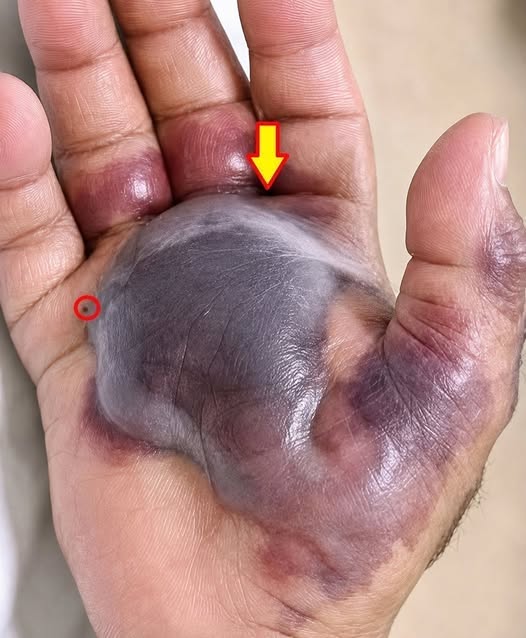
ATTENTION to These First Signs of Infection: Why Doctors Warn That Even a Small Cut or Insect Bite Needs Care
A tiny cut, a small scratch, or an ordinary insect bite may seem harmless at first. But when certain warning signs appear, paying attention early can make an important difference.
Most people have experienced a minor injury at some point. Perhaps a kitchen knife leaves a small cut on a finger, a rough surface scratches the skin, or an insect bite causes a little redness and itching. Usually, these problems improve without serious complications.
However, even a small break in the skin can sometimes allow bacteria to enter the body. When this happens, an infection may develop, causing symptoms that range from mild irritation to a more serious condition requiring medical treatment.
Doctors emphasize that the key is not to panic over every scratch or bite, but to recognize the difference between normal healing and signs that something may be wrong.
Understanding the earliest warning signs can help you respond appropriately, protect your skin, and know when it is time to seek medical advice.
1. Redness That Continues to Spread
One of the first signs to watch for is redness around a cut, scratch, or insect bite.
A small amount of redness immediately after an injury is common. The body’s natural inflammatory response helps begin the healing process, and the surrounding skin may appear slightly pink or feel mildly tender.
The concern arises when the redness continues to expand, becomes increasingly intense, or spreads beyond the area where the injury occurred.
This may indicate that inflammation is worsening or that an infection is developing. If the surrounding skin also becomes increasingly painful, swollen, or warm, medical assessment may be necessary.
One practical way to monitor the area is to observe its appearance over time. You can take a photograph or, when appropriate, gently mark the edge of the redness to see whether it expands.
However, do not wait for the redness to spread if you already have severe pain, rapidly worsening swelling, fever, or other concerning symptoms.
Important: Redness alone does not prove that an infection is present. Insect bites, allergic reactions, and other skin conditions can produce similar changes.
2. Increasing Pain or Tenderness
A minor injury often causes some discomfort, especially during the first few hours. As healing progresses, that discomfort should generally begin to improve.
Pain that becomes stronger instead of gradually easing deserves attention.
For example, a small cut that initially causes only mild stinging may later become increasingly painful to touch. An insect bite that seemed relatively comfortable may develop persistent tenderness or swelling.
These changes can occur when inflammation increases or an infection develops beneath the skin.
Pay attention to pain that seems disproportionate to the size of the injury, particularly when accompanied by spreading redness, warmth, drainage, or swelling.
In some cases, a deeper infection can cause significant pain before dramatic changes appear on the surface.
If pain is severe, rapidly worsening, or associated with a rapidly deteriorating appearance of the skin, seek urgent medical evaluation.
Do not assume that a wound is harmless simply because it is small. The visible size of an injury does not always reveal how deeply the surrounding tissues may be affected.
3. Skin That Feels Unusually Warm
Another possible warning sign is increased warmth around an injured area.
When the body responds to an injury, blood flow to the affected tissue increases. This is part of the normal healing process and does not automatically mean that bacteria are present.
However, warmth that becomes more pronounced over time, especially alongside expanding redness, increasing pain, or swelling, may suggest a developing skin infection.
For instance, a person might notice that the skin around a small scratch feels noticeably warmer than the surrounding area. If the area also becomes increasingly tender, it is worth monitoring closely and seeking medical advice if symptoms worsen.
Warmth alone is not enough to diagnose an infection. Allergic reactions and other inflammatory conditions can produce similar symptoms.
The pattern matters: worsening warmth combined with other warning signs is generally more concerning than mild, temporary warmth immediately after an injury.
4. Swelling That Keeps Getting Worse
Mild swelling is common after an insect bite, a scratch, or a minor cut. The immune system releases substances that help the body respond to tissue damage, and this process can cause temporary puffiness.
But swelling that continues to increase, becomes painful, or spreads beyond the immediate injury should not be ignored.
An infected wound may cause the surrounding tissue to become swollen, tight, and tender. In certain cases, swelling can indicate a deeper problem that requires prompt medical attention.
Pay particular attention to swelling around the eyes, hands, joints, or other areas where even a relatively small change can affect normal function.
A bite near the eye that causes significant swelling, for example, deserves more caution than a mildly itchy bite on an otherwise unaffected area of skin.
Seek urgent care if swelling progresses rapidly, becomes severe, or interferes with movement, vision, breathing, or swallowing.
Swelling involving the lips, tongue, or throat after an insect sting may indicate a severe allergic reaction rather than an infection. Difficulty breathing or throat tightness requires emergency assistance.
5. Pus or Unusual Drainage From the Wound
One of the more recognizable signs of a possible wound infection is pus.
Pus may appear as thick, cloudy fluid that is white, yellow, or green. It can sometimes collect beneath the skin, creating a painful bump or an area that feels soft in the center.
However, not every moist wound or small amount of clear fluid indicates an infection. Some wounds release a little clear or pale fluid during normal healing.
The more concerning signs include thick drainage accompanied by increasing pain, spreading redness, warmth, swelling, or an unpleasant odor.
An infected wound may also develop an abscess, which is a collection of pus within the tissue. These sometimes require professional treatment rather than home care alone.
Avoid squeezing, cutting, or attempting to drain a suspected abscess yourself. Doing so can damage tissue and potentially worsen the problem.
If pus develops or the wound is becoming increasingly painful, arrange a medical assessment.
6. Red Streaks Appearing on the Skin
Red lines extending away from a wound can be an important warning sign.
In some cases, these streaks may indicate inflammation or infection involving the lymphatic vessels beneath the skin. This condition can occur when an infection spreads from its original location.
For example, a person may notice a red line extending from a small cut on the hand toward the wrist or arm.
This symptom should not be dismissed as ordinary irritation, particularly if it is accompanied by fever, chills, swelling, or increasing pain.
Red streaks spreading away from a wound warrant urgent medical evaluation. Seek care promptly rather than waiting to see whether the lines disappear.
If the person also feels very ill, becomes confused, experiences faintness, or develops rapidly worsening symptoms, emergency care is appropriate.
Early assessment can help clinicians determine whether antibiotics or other treatment are needed.
7. Fever, Chills, or Feeling Unusually Unwell
Sometimes, an infection causes symptoms that extend beyond the injured area.
A fever, chills, unusual fatigue, body aches, or a general feeling of illness may indicate that the body is responding to a more significant infection.
These symptoms are especially concerning when they occur alongside a worsening cut, an increasingly painful insect bite, spreading redness, or pus.
Not every skin infection produces a fever, and the absence of fever does not guarantee that an infection is harmless.
Certain people, including older adults and individuals with weakened immune systems, may develop serious infections without showing the typical symptoms.
If you develop a fever after an injury and the wound is worsening, contact a healthcare professional promptly.
Seek emergency care if you experience confusion, difficulty breathing, fainting, severe weakness, or other signs of serious illness.
8. An Insect Bite That Gets Worse Instead of Better
Most ordinary insect bites cause temporary itching, redness, and localized swelling. These symptoms often improve over several days.
Sometimes, however, scratching breaks the skin and creates an opportunity for bacteria to enter.
An insect bite that becomes increasingly painful, hot, swollen, or surrounded by expanding redness may need medical assessment.
It is important to distinguish infection from a normal local reaction. Some bites and stings can cause substantial swelling even without infection, and allergic reactions may develop relatively quickly.
Try to avoid scratching the affected area. Keep the skin clean and use a cool compress to ease ordinary itching and discomfort.
If the bite develops pus, the redness spreads, pain increases, or you begin to feel unwell, seek medical advice.
If you develop difficulty breathing, swelling of the tongue or throat, or sudden dizziness after a bite or sting, call emergency services immediately. These symptoms may indicate anaphylaxis, a potentially life-threatening allergic reaction.
Why Certain People Need Extra Caution
A minor injury does not carry the same level of risk for everyone.
People with diabetes may have reduced sensation or impaired circulation, making it harder to notice injuries or allowing wounds to heal more slowly.
Individuals with weakened immune systems may also be more vulnerable to infections or may develop less obvious symptoms.
Poor circulation, certain chronic illnesses, and previous problems with wound healing can further increase the need for careful monitoring.
For these individuals, a seemingly minor cut, blister, or puncture wound may deserve earlier medical attention than it would in an otherwise healthy person.
Foot wounds deserve particular attention in people with diabetes, especially if they are not healing, become red or swollen, or show signs of infection.
If you belong to a higher-risk group, follow your healthcare professional’s advice about wound care and when to seek an examination.
What You Should Do Immediately After a Minor Cut
Appropriate first aid can help reduce the risk of complications.
Step 1: Wash your hands. Clean hands help reduce the chance of introducing additional germs into the wound.
Step 2: Stop any bleeding. Apply gentle, steady pressure with clean gauze or a clean cloth until the bleeding stops.
Step 3: Rinse the wound. Wash the cut under clean running water. Gently clean the surrounding skin with soap, avoiding unnecessary irritation of the wound itself.
Step 4: Cover the injury. Apply a sterile dressing or clean bandage and replace it whenever it becomes wet, dirty, or damaged.
Step 5: Monitor the healing process. Watch for increasing redness, pain, warmth, swelling, pus, or other changes that suggest the wound is getting worse.
Avoid applying harsh chemicals or unverified home remedies to an open wound. Hydrogen peroxide and alcohol can irritate tissue and may interfere with healing when repeatedly applied directly to the wound.
For ordinary insect bites, washing the area, avoiding scratching, and applying a cool compress can help relieve discomfort.
When Should You Seek Medical Help?
Knowing when to get help is just as important as knowing how to clean a wound.
Contact a healthcare professional promptly if:
Redness continues to spread around a cut or bite.
Pain, warmth, or swelling becomes progressively worse.
Pus develops or the wound begins draining unusual fluid.
You develop fever or chills along with a worsening wound.
Red streaks appear to extend away from the injury.
The wound is deep, contains a foreign object, or was caused by an animal or human bite.
Seek emergency medical attention for severe or rapidly worsening pain, confusion, fainting, difficulty breathing, or signs of a severe allergic reaction.
Deep puncture wounds, heavily contaminated injuries, and bites may also require assessment for tetanus prevention or other specific treatment. If your tetanus vaccination status is uncertain, ask a healthcare professional whether a booster is needed.
Do not wait for every warning sign to appear before seeking care. A single severe symptom can be enough to justify urgent evaluation.
The Bottom Line: Small Wounds Deserve the Right Attention
A tiny cut or an ordinary insect bite is usually not a reason to panic. Most minor skin injuries heal without serious complications when they are cleaned and protected appropriately.
Nevertheless, the body’s early warning signs deserve attention. Spreading redness, increasing pain, worsening swelling, pus, red streaks, and fever can all indicate that a wound needs medical assessment.
The most important thing is to recognize changes rather than judge the injury by its size alone.
Taking a few minutes to clean a wound, cover it properly, and monitor its progress can help you make informed decisions about your health.
Remember: Early attention does not mean assuming the worst. It means knowing what is normal, recognizing what is changing, and seeking medical help when the warning signs call for it.
Medical disclaimer: This article is for general educational purposes and does not replace professional medical advice, diagnosis, or treatment. If you suspect a serious infection, seek medical care promptly.