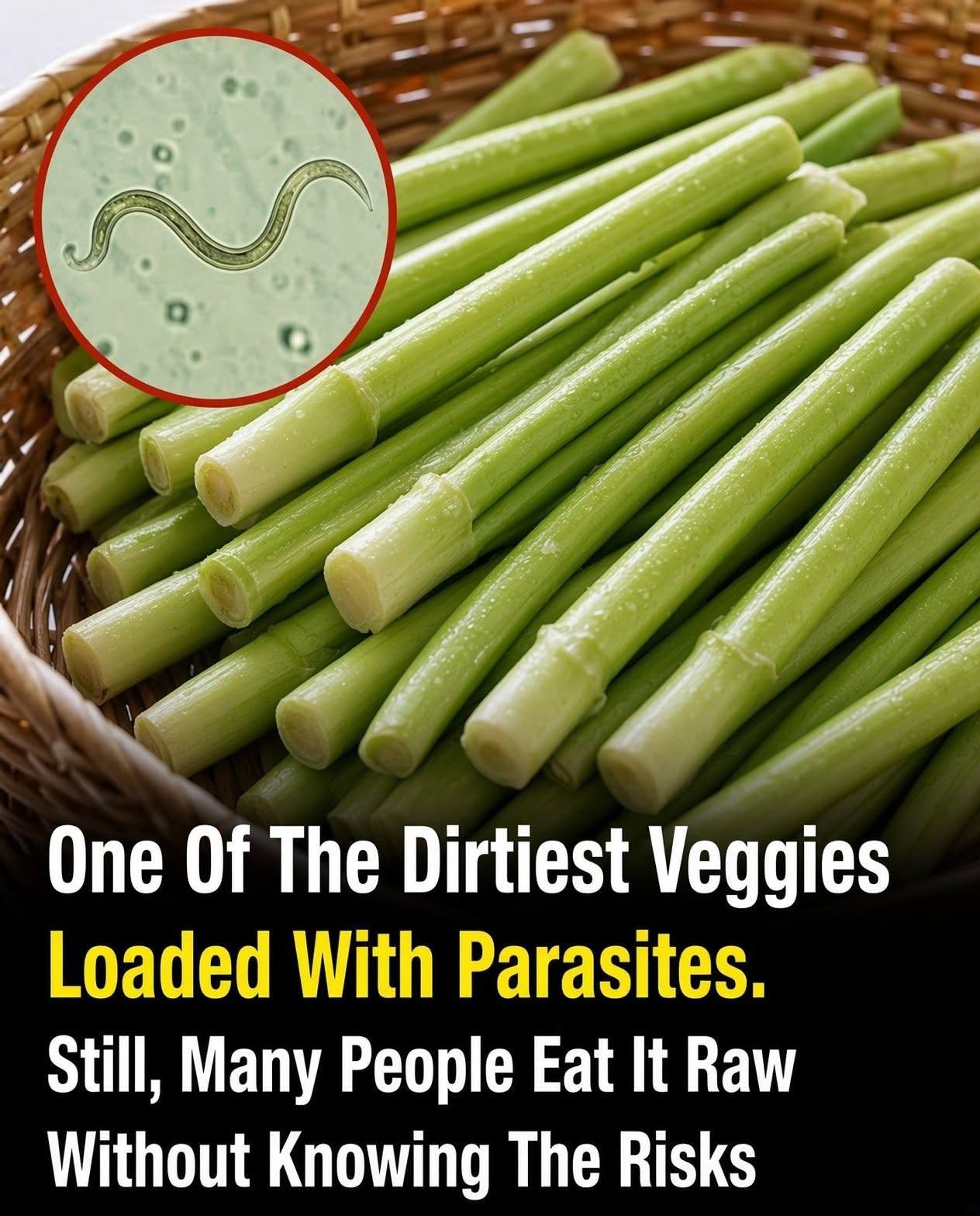
Why Raw Green Onions Can Carry Hidden Risks—and How to Eat Them Safely
Green onions are a popular ingredient in kitchens around the world. Their fresh flavor makes them a favorite addition to salads, soups, sandwiches, sauces, and traditional dishes. They are also valued for their nutritional content, including vitamins, minerals, and plant compounds that contribute to a balanced diet.
However, like other fresh vegetables eaten raw, green onions can sometimes carry harmful microorganisms or other contaminants. Understanding these potential risks and learning how to handle green onions properly can help you enjoy them safely without giving up their flavor or nutritional benefits.
1. Raw Green Onions Can Carry Harmful Bacteria
One of the main concerns associated with raw green onions is the possibility of bacterial contamination.
Green onions grow in soil and may come into contact with contaminated water, soil, animal waste, or unclean handling surfaces during harvesting, transportation, and preparation.
Harmful bacteria, including Salmonella and certain strains of E. coli, can contaminate fresh produce under some circumstances.
When green onions are eaten raw, there is no cooking step to kill these microorganisms. If contaminated vegetables are consumed, they can cause foodborne illness.
Possible symptoms include:
Diarrhea
Abdominal cramps
Nausea and vomiting
Fever
Symptoms may develop at different times depending on the microorganism involved. Severe illness can occur, particularly in young children, older adults, pregnant people, and individuals with weakened immune systems.
This does not mean raw green onions are inherently dangerous. It means that careful handling and washing are important.
2. Washing Green Onions Properly Matters
Many people quickly rinse green onions before chopping them, but taking a little extra time can improve food safety.
Follow these steps before eating them raw:
Wash your hands with soap and water before handling the vegetables.
Remove any wilted, slimy, damaged, or visibly dirty outer portions.
Rinse the green onions thoroughly under clean, running water.
Gently rub the surfaces with your fingers to help remove dirt and debris.
Pay particular attention to the lower white portions and areas where soil may collect.
Dry them with a clean paper towel or use a clean salad spinner if appropriate.
Use a clean cutting board and knife when chopping them.
Avoid washing vegetables with soap, detergent, bleach, or household disinfectants. These products are not intended for cleaning food and can leave harmful residues.
It is also important to understand that washing reduces contamination but does not eliminate every harmful microorganism.
3. Can Green Onions Cause Stomach Problems?
Some people experience digestive discomfort after eating green onions, even when the vegetables are fresh and properly handled.
Green onions contain fructans, a type of fermentable carbohydrate that can cause bloating, gas, or abdominal discomfort in people who are sensitive to certain carbohydrates.
People with irritable bowel syndrome (IBS) may be particularly sensitive to these compounds.
The white bulb portion generally contains more fructans than the green tops. Consequently, some people find that using smaller amounts or choosing the green tops helps reduce symptoms.
However, individual tolerance varies. If green onions repeatedly cause discomfort, consider reducing the quantity and discussing persistent symptoms with a healthcare professional.
Digestive sensitivity is different from food poisoning, which can involve diarrhea, vomiting, fever, and other symptoms.
4. Why Proper Storage Is Essential
Even fresh-looking vegetables can deteriorate if they are stored incorrectly.
Green onions should generally be refrigerated promptly after purchase, especially if they have been cut or are intended to be eaten raw.
For safer storage:
Keep them in a clean refrigerator at 4°C (40°F) or below.
Store them separately from raw meat, poultry, and seafood.
Use clean containers or food-safe bags.
Keep cut green onions refrigerated and use them promptly.
Discard any that become slimy, moldy, unusually soft, or develop an unpleasant odor.
Do not rely on appearance or smell alone to determine whether food is safe. Harmful microorganisms can sometimes be present without obvious signs of spoilage.
5. Should You Eat Green Onions Raw or Cooked?
Both raw and cooked green onions can be part of a healthy diet.
Raw green onions provide a fresh, sharp flavor and contribute vitamins, minerals, and beneficial plant compounds. Cooking changes their texture and flavor, and it can reduce some heat-sensitive nutrients while making certain foods easier for some people to digest.
Cooking green onions thoroughly also helps destroy many harmful bacteria that may be present.
If you are preparing food for someone at higher risk of severe foodborne illness, cooked green onions may be a sensible precaution, particularly when the source or handling conditions are uncertain.
However, cooking cannot make every spoiled or contaminated food safe, so proper purchasing, storage, and handling remain important.
6. Who Should Be Especially Careful?
Although most healthy adults can enjoy properly handled green onions without difficulty, some groups face a greater risk of serious complications from foodborne illness.
These include:
Adults aged 65 and older
Children younger than five
Pregnant people
People with weakened immune systems
For these individuals, careful washing, avoiding cross-contamination, and following food-safety guidance are especially important.
When contamination is suspected or an official food recall has been announced, follow the relevant public-health instructions rather than relying on washing alone.
7. The Nutritional Benefits of Green Onions
Despite these precautions, green onions remain a nutritious vegetable that can contribute to a varied diet.
They contain vitamin K, which supports normal blood clotting and bone health, as well as vitamin C, which contributes to immune function and helps the body absorb iron from plant foods.
They also contain small amounts of folate and other nutrients, along with plant compounds that contribute to their characteristic flavor.
Green onions are generally low in calories and can add flavor to meals without requiring large amounts of salt or heavy sauces.
People taking warfarin or certain other vitamin K-sensitive anticoagulant regimens should maintain a consistent vitamin K intake and discuss significant dietary changes with their healthcare professional rather than avoiding green vegetables unnecessarily.
8. Common Mistakes to Avoid
Several simple mistakes can increase the risk of food contamination when preparing green onions.
Mistake 1: Assuming a quick rinse removes everything. Washing helps reduce contamination but cannot guarantee that all harmful microorganisms have been removed.
Mistake 2: Using the same cutting board for raw meat and vegetables. This can transfer harmful bacteria to green onions. Use separate boards or thoroughly wash and sanitize equipment between tasks.
Mistake 3: Leaving chopped onions at room temperature for extended periods. Cut produce should be refrigerated promptly rather than left out for hours.
Mistake 4: Eating vegetables that appear spoiled. Sliminess, mold, or an unpleasant smell are reasons to discard green onions.
Mistake 5: Believing natural foods are automatically safe. Fresh vegetables offer important nutritional benefits, but they still require proper food handling.
Final Thoughts: Enjoy Green Onions Safely
Raw green onions can be a healthy and flavorful addition to everyday meals. The main concern is not that green onions are naturally harmful, but that fresh produce can occasionally become contaminated during growing, harvesting, transportation, or preparation.
By washing them under running water, storing them correctly, keeping kitchen equipment clean, and avoiding cross-contamination, you can reduce the risk of foodborne illness.
If you experience severe or persistent diarrhea, bloody stools, high fever, repeated vomiting, or signs of dehydration after eating raw produce, seek medical advice promptly.
The bottom line: You do not need to stop eating raw green onions. Choose fresh produce, handle it carefully, and follow basic food-safety practices to enjoy its flavor and nutritional benefits more safely.