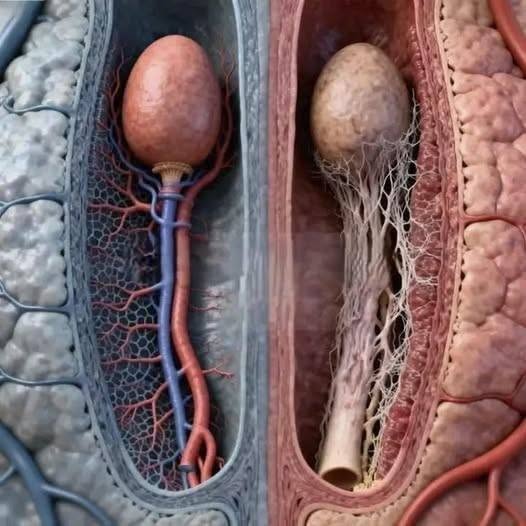
Did You Know That Older Men Experience Important Changes as They Age? Here Is What Every Man Should Know
As men grow older, their bodies go through a series of natural changes that can affect their energy levels, physical strength, sleep, hormones, and overall well-being. Some of these changes happen gradually, while others may become more noticeable after the age of 50 or 60.
Although aging is a normal part of life, understanding what happens to the body can help men make informed decisions about their health and maintain a better quality of life.
But what changes should older men know about, and when should they speak with a doctor?
1. Muscle Strength Can Decrease With Age
One of the most noticeable changes associated with aging is the gradual loss of muscle mass and strength. This process is sometimes called sarcopenia.
Men may find that lifting heavy objects becomes more difficult or that they need more time to recover after physical activity.
However, muscle loss is not inevitable to the same degree for everyone. Regular physical activity, resistance exercises appropriate to a person’s abilities, sufficient protein intake, and good overall nutrition can help preserve strength.
Older adults should choose activities suited to their health and fitness levels and seek professional advice if they have significant medical conditions or mobility difficulties.
2. Hormonal Changes Can Affect Energy and Mood
Testosterone levels generally decline gradually as men age, although the rate varies considerably between individuals.
Some men notice changes in energy, muscle strength, sexual desire, or mood. However, these symptoms can have many possible causes, including poor sleep, stress, medication effects, and other medical conditions.
Low energy alone does not establish that a man has low testosterone.
Men experiencing persistent symptoms should speak with a healthcare professional rather than starting hormone supplements or treatments without appropriate testing.
3. Sleep Patterns May Change
Many older adults find that their sleep becomes lighter or that they wake up more frequently during the night.
Some men also experience sleep apnea, a condition in which breathing repeatedly stops and starts during sleep. Loud snoring, gasping during the night, and excessive daytime sleepiness may be signs that medical evaluation is needed.
Maintaining a regular sleep schedule, limiting caffeine late in the day, and keeping the bedroom comfortable can help support healthy sleep.
Persistent insomnia or significant daytime fatigue should not automatically be dismissed as a normal consequence of aging.
4. Heart Health Becomes Increasingly Important
The risk of cardiovascular disease generally increases with age. High blood pressure, elevated cholesterol, diabetes, smoking, and physical inactivity can further increase that risk.
Regular medical checkups can help identify problems before they cause serious complications.
A balanced diet, suitable physical activity, avoiding tobacco, and taking prescribed medication as directed can all contribute to cardiovascular health.
Chest pain, sudden difficulty breathing, or other symptoms of a possible heart attack require emergency medical attention.
5. Changes in Sexual Health Are Common, but They Deserve Attention
Sexual health can change with age, and men may notice differences in sexual desire, erections, or recovery time.
Erectile dysfunction becomes more common as men grow older, but it should not automatically be considered an unavoidable part of aging. It can sometimes be associated with diabetes, cardiovascular disease, medication effects, or psychological stress.
A healthcare professional can help identify possible causes and discuss appropriate treatment options.
Men should be cautious about products advertised online as guaranteed solutions for sexual performance, particularly when their ingredients and safety have not been established.
6. Prostate Health Matters
The prostate gland often becomes larger with age. This condition, known as benign prostatic hyperplasia, can cause symptoms such as frequent urination, a weak urine stream, difficulty starting to urinate, or waking repeatedly during the night to use the bathroom.
These symptoms do not necessarily indicate cancer, but they should be discussed with a healthcare professional if they persist or interfere with daily life.
Men should seek urgent medical care if they suddenly become unable to urinate.
Decisions about prostate cancer screening should take into account age, personal risk factors, overall health, and individual preferences.
7. Nutrition and Everyday Habits Make a Difference
Healthy aging does not require extreme diets or expensive supplements. Consistent, practical habits can make a meaningful difference.
Older men can support their health by:
Eating a varied diet that includes vegetables, fruit, whole grains, and appropriate sources of protein.
Staying physically active according to their abilities.
Drinking enough water, particularly when the weather is hot or physical activity increases fluid needs.
Avoiding smoking and limiting alcohol.
Maintaining social connections and activities that support emotional well-being.
Keeping up with recommended medical appointments and vaccinations.
Changes should be realistic and sustainable rather than based on promises of quick results.
8. When Should Older Men Seek Medical Advice?
Persistent fatigue, unexplained weight loss, ongoing pain, new urinary symptoms, significant changes in sexual function, or worsening memory deserve attention rather than being automatically attributed to old age.
Early assessment can help identify treatable conditions and improve quality of life.
It is also important to remember that older men differ widely in their health, abilities, and medical needs. A person’s age alone does not determine how healthy or active they can be.
Final Thoughts
Growing older brings changes, but it does not mean that good health, independence, and an active life are out of reach.
By understanding their bodies, seeking appropriate medical care, and maintaining healthy daily habits, older men can take practical steps toward protecting their well-being.
The most important lesson is simple: getting older is natural, but persistent symptoms should never be ignored simply because of age.
Taking care of your health today can help you make the most of the years ahead.