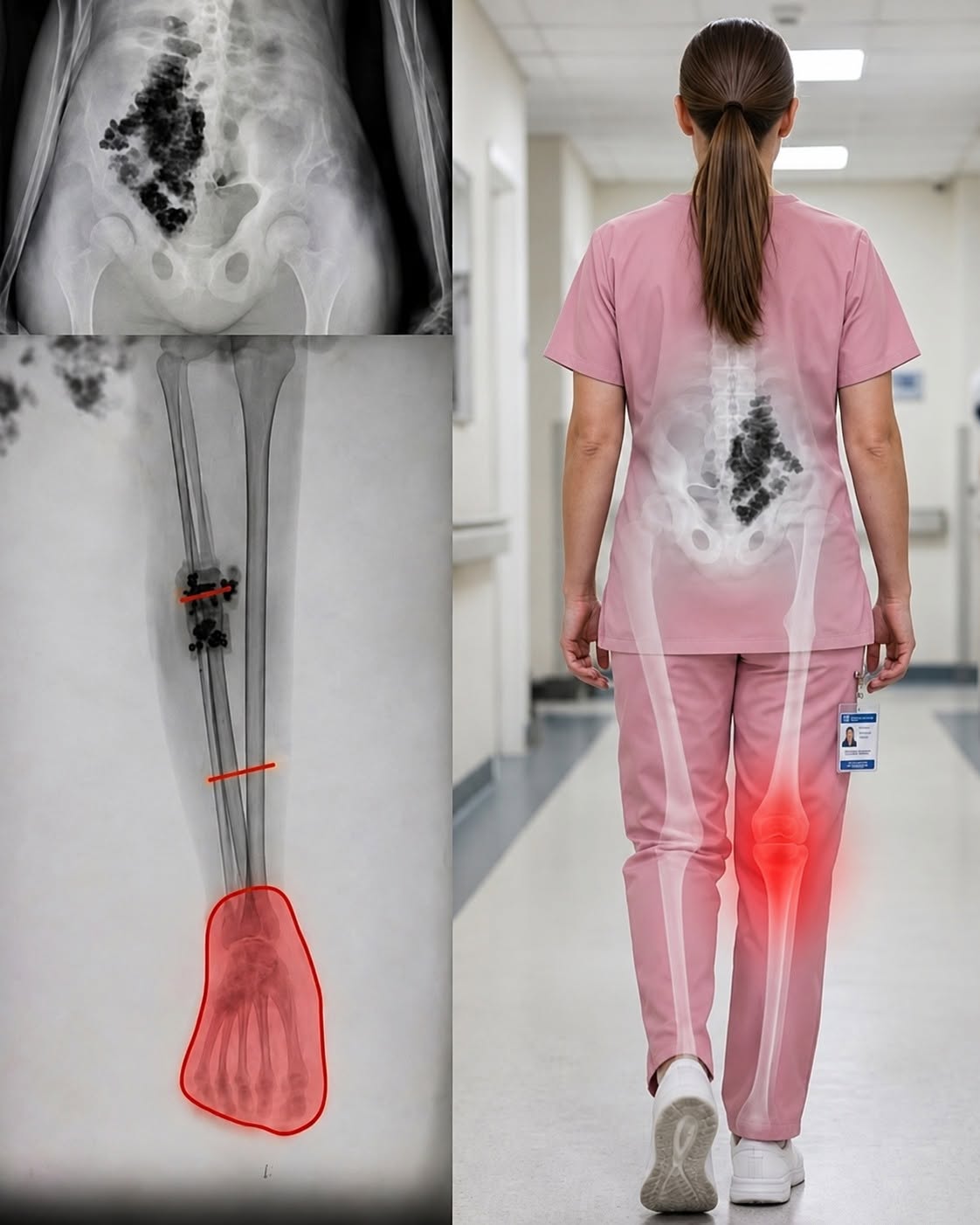
Warning: COVID-Vaccinated People May Be Facing Unexpected Health Risks — What the Evidence Really Says
Sapo: New research continues to examine long-term health outcomes after COVID-19 vaccination and infection.
The COVID-19 pandemic changed millions of lives around the world, and questions about the long-term effects of vaccination continue to attract public attention. As researchers study the health outcomes of vaccinated and unvaccinated populations, many people are searching for reliable answers about possible risks, lingering symptoms, and what the latest scientific evidence reveals.
But while alarming headlines can spread quickly online, understanding the facts requires looking carefully at scientific research, medical guidance, and the difference between a reported health problem and a proven cause.
Chapter 1: Why Questions About COVID-19 Vaccines Continue
Since COVID-19 vaccines became widely available, scientists have continued monitoring their safety through clinical studies, national reporting systems, and long-term population research.
Like other medicines, COVID-19 vaccines can cause side effects. Most reported reactions are mild and temporary, including soreness at the injection site, fatigue, headache, muscle aches, and fever.
These symptoms generally resolve within a few days.
However, researchers have also identified rare but potentially serious adverse events associated with certain COVID-19 vaccines. These findings have helped health authorities update recommendations and provide more specific guidance for different age groups and medical circumstances.
Ongoing monitoring is important because it allows scientists to identify unusual patterns, investigate potential risks, and improve medical advice as new evidence becomes available.
The existence of a rare adverse event does not mean that everyone who received a vaccine will experience health problems.
Chapter 2: What Scientists Know About Rare Side Effects
One of the best-documented rare complications associated with some COVID-19 vaccines is myocarditis, an inflammation of the heart muscle. It has been observed most frequently in adolescent and young adult males after certain mRNA vaccines, particularly following a second dose.
Another condition, pericarditis, involves inflammation of the tissue surrounding the heart. Both conditions require medical assessment, although their severity and outcomes can vary.
Certain vaccines using different technologies have also been associated with rare complications, including unusual blood clots accompanied by low platelet counts.
These findings demonstrate why vaccine safety monitoring matters. They also show why it is important to identify which vaccine was administered, the person’s age, and the timing of symptoms.
At the same time, COVID-19 infection itself can cause complications affecting the heart, blood vessels, lungs, and other organs.
Scientists therefore consider both vaccination-related risks and the health risks associated with infection when evaluating the overall benefits and limitations of vaccination.
Chapter 3: Are There Long-Term Health Effects?
A common concern is whether COVID-19 vaccination can cause health problems that appear months or years later.
Researchers continue to investigate long-term outcomes, including persistent symptoms and the health of people who experienced adverse reactions shortly after vaccination.
Current evidence does not establish that COVID-19 vaccination causes widespread, previously unrecognized long-term illness across the vaccinated population.
Serious adverse reactions can occur, and people who experience persistent symptoms deserve appropriate medical evaluation. However, symptoms that develop after vaccination are not automatically proof that the vaccine caused them.
Age, previous infections, underlying medical conditions, and other factors may also influence health outcomes.
Scientists use controlled studies and comparisons between large populations to distinguish possible associations from causal relationships. This process takes time and requires careful interpretation.
Chapter 4: What About Claims Circulating Online?
Social media posts sometimes warn that vaccinated people face hidden dangers or that a particular symptom proves vaccine injury.
Such claims can cause unnecessary fear when they lack reliable evidence or leave out important medical context.
A credible health report should identify the study or health authority supporting its claims, explain how many people were examined, and distinguish confirmed findings from preliminary observations.
It should also avoid treating every health problem reported after vaccination as a vaccine-related injury.
People who have questions about their own vaccination history can discuss their concerns with a qualified healthcare professional. Anyone experiencing chest pain, difficulty breathing, fainting, or other severe or sudden symptoms should seek urgent medical care rather than relying on online advice.
Chapter 5: How to Make Informed Health Decisions
The most useful response to questions about vaccine safety is not panic, but access to clear, evidence-based information.
People should consult trusted sources such as the World Health Organization, national public health agencies, and qualified medical professionals. These organizations assess emerging evidence and update recommendations when necessary.
Individuals who have experienced a suspected adverse reaction can ask their healthcare provider how it should be evaluated and whether it should be reported through the appropriate safety-monitoring system.
It is equally important to recognize that medical recommendations can differ according to age, health history, vaccine type, and the level of risk from COVID-19 itself.
The bottom line: COVID-19 vaccines, like other medical interventions, can have side effects, and rare serious complications have been documented. However, an alarming headline alone cannot establish that vaccinated people are facing a widespread or hidden health threat. Reliable evidence, careful research, and informed medical advice remain the best ways to understand the risks.
Editorial note: This article summarizes established safety information and does not claim that COVID-19 vaccination causes widespread hidden illness. Individual medical questions should be discussed with a qualified healthcare professional.