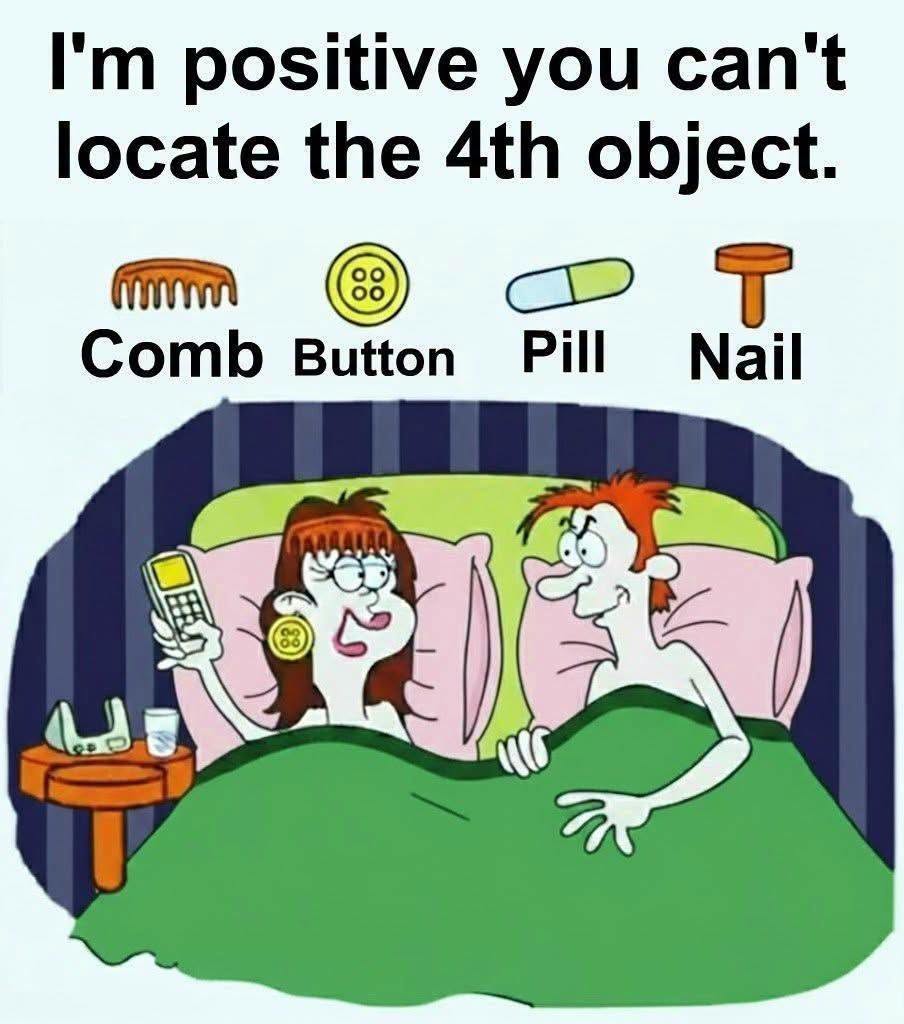
A puzzle offers something increasingly difficult to find in our busy, distraction-filled world: a reason to give one task your full attention. In a time when notifications, social media, and endless responsibilities compete for our focus, puzzles provide a simple way to slow down and concentrate on a single challenge. Crosswords draw on vocabulary, memory, and general knowledge, while jigsaw puzzles demand visual judgment, patience, and the ability to recognize patterns. Hidden-object games reward careful observation, encouraging players to look beyond the obvious and notice details they might otherwise overlook. Each type of puzzle invites you to pause, test an idea, learn from mistakes, and try again. The process can feel both challenging and calming, creating a welcome break from constant interruptions and everyday stress. Rather than rushing through another activity, you have the opportunity to enjoy the satisfaction of solving a problem one step at a time.
Puzzles can also encourage curiosity and creative thinking. A difficult clue or an unfamiliar pattern may require you to approach the problem from a different perspective. Sometimes, the answer becomes clear only after you step back and look at the challenge in a new way. These small moments of discovery can make puzzle-solving especially rewarding. Although puzzles are not a guaranteed defense against cognitive decline, they can be an enjoyable way to stay mentally engaged, practice problem-solving skills, and make time for activities that stimulate the mind. The key is to choose puzzles that match your interests and offer a comfortable level of difficulty. A challenge that is too easy may quickly become repetitive, while one that is too difficult can feel frustrating. Finding the right balance makes the experience more enjoyable and encourages you to return to it regularly.
The benefits can extend beyond the individual. Working through a puzzle with friends or family creates opportunities for conversation, cooperation, and the pleasure of making progress together. One person may notice a detail that everyone else has missed, while another may suggest a solution that changes the way the group approaches the problem. These shared moments can turn an ordinary activity into a memorable experience. A little friendly competition can add energy and excitement, especially when everyone tries to solve the same puzzle within a set amount of time. At the same time, difficult sections offer opportunities to practice patience, listen to different ideas, and appreciate the effort involved rather than rushing toward an answer.
Whether you prefer word games, number challenges, brain teasers, or hidden-object pictures, the most important thing is to find a format that you genuinely enjoy. Set aside a few minutes during a quiet morning, a relaxing afternoon, or an evening spent with loved ones. You do not need special equipment or a complicated routine to get started; even a small daily challenge can provide a welcome change of pace. Make room for puzzles regularly, celebrate the little discoveries along the way, and allow yourself to enjoy the process without worrying too much about how quickly you finish. Sometimes, an ordinary pastime becomes much more than a way to pass the time. It becomes an opportunity to focus, learn, laugh, and connect with others. In a world that constantly encourages us to move faster, a puzzle offers a gentle reminder that slowing down and paying attention can be rewarding in itself.