Healing Power and Important Safety Tips of Castor Leaves: What Everyone Should Know
For generations, castor leaves have been used in traditional medicine for various aches, swelling, and other everyday health complaints. Their large, distinctive green leaves are easily recognized, and in some cultures, they remain part of traditional home remedies.
But do castor leaves really have healing powers? What benefits have researchers discovered, and what precautions should everyone understand before using this plant?
The answers may surprise you.
1. What Are Castor Leaves?
Castor leaves come from the castor oil plant, scientifically known as Ricinus communis. This plant grows in many tropical and subtropical regions and is widely known for its seeds, which are used to produce castor oil.
Different parts of the plant contain different chemical compounds, including flavonoids, alkaloids, and other substances that researchers have investigated for their biological effects.
Traditional medicine has used castor leaves in preparations intended to relieve discomfort, swelling, and certain skin problems. However, traditional use does not automatically mean that a remedy has been proven safe or effective in humans. Source: PubMed review of castor plant medicinal uses.
2. Potential Benefits of Castor Leaves
Traditional use for swelling and discomfort
In some traditional practices, castor leaves are applied externally to areas of discomfort. Laboratory studies have investigated compounds in the leaves for possible anti-inflammatory effects.
However, most evidence remains preliminary. There is not enough high-quality human research to recommend castor leaves as a proven treatment for swelling, arthritis, or persistent pain.
Antioxidant properties
Certain compounds found in castor leaves, including flavonoids and phenolic substances, have demonstrated antioxidant activity in experimental research.
Antioxidants can help neutralize unstable molecules under certain conditions. Nevertheless, finding antioxidant activity in a laboratory does not establish that applying or consuming castor leaves will prevent disease or improve overall health.
Traditional skin applications
Some communities have traditionally used castor leaf preparations for minor skin complaints.
Although researchers have investigated possible antimicrobial and wound-healing properties, reliable clinical evidence remains limited. Castor leaves should not be placed on deep wounds, infected skin, or serious burns without medical advice.
Traditional use for muscle and joint discomfort
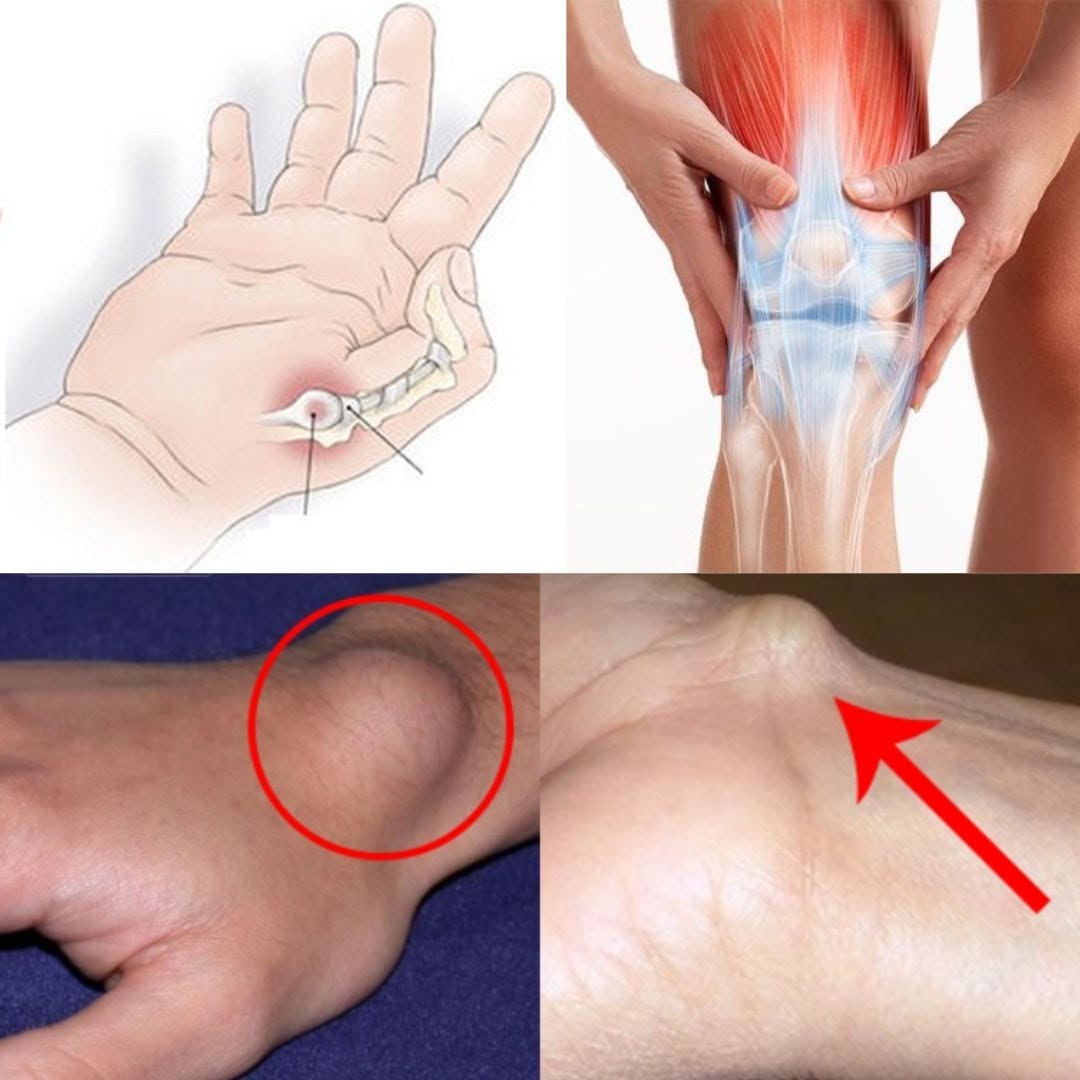
Castor leaves have also been used traditionally for muscle aches, joint pain, and rheumatic complaints.
These applications are still being studied, and the effectiveness of homemade leaf preparations has not been established through sufficient clinical trials.
Important: These are traditional uses and research possibilities, not proven medical treatments. The available evidence does not establish a safe, effective dosage for castor leaves. Research overview.
3. Important Safety Tips You Should Never Ignore
Castor plants require particular caution because different parts contain different potentially harmful substances.
Never eat castor seeds. The seeds contain ricin, a highly toxic substance that can cause severe poisoning.
Do not make homemade drinks or teas from castor leaves. Their safety, composition, and appropriate dosage have not been adequately established.
Avoid applying unknown preparations to broken skin. Homemade plant remedies may irritate the skin or introduce contamination.
Keep the plant away from children and pets. Children may mistake the seeds for edible objects, and the plant can be dangerous to animals.
Do not use castor leaves as a substitute for medical treatment. Persistent pain, swelling, or other unexplained symptoms should be assessed by a healthcare professional.
Ask a healthcare professional before using herbal remedies during pregnancy or breastfeeding. Safety cannot be assumed simply because a product is natural.
The US Centers for Disease Control and Prevention explains that ricin is a potent poison and that suspected exposure requires prompt medical attention. CDC ricin safety information.
4. Castor Leaves Are Not the Same as Castor Oil
This distinction is especially important.
Castor oil is extracted from the plant’s seeds and, when properly processed, has specific established uses. Certain pharmaceutical-grade castor oil products are used as laxatives.
That does not mean raw castor seeds, castor leaves, homemade extracts, and commercial castor oil are interchangeable.
Each preparation has a different composition and safety profile. Never swallow raw plant material or homemade castor leaf preparations in an attempt to obtain the benefits associated with pharmaceutical products.
5. When Should You Seek Medical Help?
If someone swallows castor seeds or an unknown preparation made from the plant, seek urgent medical advice rather than waiting for symptoms to appear.
Possible signs of poisoning vary depending on the exposure and can include vomiting, diarrhea, abdominal pain, and dehydration. Do not induce vomiting unless instructed by a medical professional.
If a child or pet may have eaten part of the plant, contact an appropriate emergency medical service or veterinarian immediately.
Final Thoughts
Castor leaves have a long history in traditional medicine, and scientific researchers continue to investigate their chemical compounds and potential biological effects.
However, potential healing properties are not the same as proven medical benefits. Until stronger evidence establishes their safety and effectiveness, homemade castor leaf remedies should be approached with caution.
The best way to protect your health is to stay informed, avoid unverified treatments, and consult a qualified healthcare professional before using potentially toxic plants medicinally.
Medical disclaimer: This article provides general educational information and is not a substitute for professional medical advice.