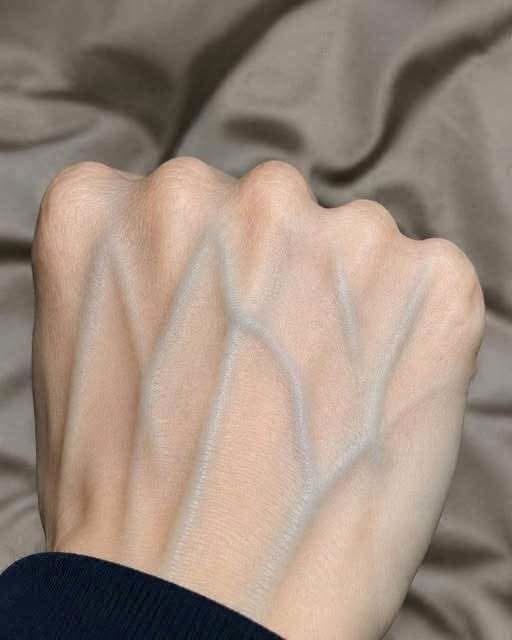
If You Have Visible Veins, It Could Mean More Than You Think
Have you ever looked at your hands, legs, or feet and noticed that your veins seem more visible than usual? Perhaps they appear blue, green, or slightly raised beneath your skin. While this can sometimes be surprising, visible veins are often completely normal.
However, their appearance can vary depending on your age, body composition, activity level, and circulation. In some cases, changes in your veins may also be worth discussing with a healthcare professional.
So, what do visible veins really mean?
1. You May Have Less Fat Beneath Your Skin
One of the most common reasons veins become noticeable is a relatively thin layer of fat beneath the skin.
People who are naturally lean may see prominent veins on their hands, arms, feet, or legs. This can also occur after weight loss, when the layer of tissue covering the veins becomes thinner.
On its own, this is usually not a cause for concern.
2. Exercise Can Make Your Veins More Visible
Have you ever noticed your veins becoming more prominent after a workout?
During exercise, blood flow increases to working muscles. Veins may temporarily become more noticeable, especially during weightlifting or other intense activities.
Regular strength training can also increase muscle size, making nearby veins easier to see.
This is often a normal physiological response, particularly if the veins become less prominent after you rest.
3. Aging Can Change the Appearance of Your Veins
As people get older, their skin gradually becomes thinner and loses some of its elasticity. The tissues beneath the skin also change.
As a result, veins that were previously difficult to see may become more noticeable, particularly on the backs of the hands and forearms.
This change is common and does not automatically indicate a circulation problem.
4. Visible Veins May Sometimes Be Varicose Veins
Not all prominent veins are the same.
Varicose veins are enlarged, twisted veins that most commonly develop in the legs. They occur when valves inside the veins do not function effectively, allowing blood to pool.
Possible symptoms include:
Bulging, twisted veins.
Aching or heaviness in the legs.
Swelling around the ankles.
Itching or discomfort that worsens after prolonged standing.
Varicose veins are not always dangerous, but persistent symptoms should be assessed by a healthcare professional.
5. Heat Can Make Veins Stand Out
Warm weather, hot showers, and other sources of heat can cause blood vessels near the skin to widen.
This can temporarily make veins appear more prominent, particularly in the hands and feet.
If the appearance returns to normal as your body cools down, it is generally a normal response to temperature.
6. Could Visible Veins Indicate a Health Problem?
Sometimes, changes in veins deserve closer attention. The significance depends on where the veins appear, whether the change is new, and whether other symptoms are present.
For example, sudden swelling and pain in one leg can indicate a blood clot, particularly when accompanied by warmth or redness. This requires urgent medical assessment.
Seek emergency care if you experience sudden shortness of breath, chest pain, fainting, or coughing up blood, especially alongside leg swelling.
Prominent veins in the abdomen, new extensive swelling, or veins that change rapidly should also be assessed by a healthcare professional.
7. When Should You Worry About Visible Veins?
In most cases, veins that have always been visible and cause no discomfort are simply part of your normal anatomy.
However, arrange a medical appointment if you notice persistent pain, skin discoloration, sores, unusual swelling, or a sudden change in the appearance of your veins.
Do not assume that prominent veins mean you have poor circulation. Their appearance alone cannot diagnose a medical condition.
The Bottom Line
Visible veins can be caused by genetics, thinner skin, lower body fat, exercise, heat, or aging. Sometimes, they may be associated with varicose veins or another circulatory problem.
The important thing is not simply whether your veins are visible, but whether their appearance has changed and whether you have other symptoms.
If your veins are suddenly more prominent, painful, swollen, or accompanied by other unusual changes, seek appropriate medical advice.
Your body can reveal useful clues about your health, but understanding those clues requires looking at the complete picture—not jumping to conclusions based on appearance alone.
Health disclaimer: This article is for general informational purposes and does not replace professional medical advice.